
The National Petroleum Authority (NPA) has firmly resisted renewed calls from industry players to scrap the Fuel Price Floor Programme, insisting that the policy remains critical to safeguarding stability in Ghana’s downstream petroleum sector.
According to the regulator, the fundamental market challenges that led to the introduction of the policy have not changed, with unfair pricing practices still prevalent across the industry.
Director of Economic Regulation and Planning at the NPA, Abass Tasunti, disclosed that the regulator remains cautious about any policy decision that could potentially destabilise the petroleum market.
He explained that the NPA is guided by a broader responsibility to maintain balance in an industry that plays a critical role in the national economy.
“The NPA is mindful of the industry it regulates and does not intend to take steps that could plunge it into crisis,” Mr Tasunti said, underscoring the Authority’s concern about unintended consequences that could arise from abrupt policy reversals.
He further stressed that the petroleum sector’s link to the financial system makes regulatory caution essential.


“The petroleum industry is closely linked to the financial sector, making it critical for regulators to tread carefully when implementing or removing policies.”
Abass Tasunti, Director of Economic Regulation and Planning at the NPA
The Authority maintains that removing the price floor under current conditions could reintroduce distortions that threaten both industry sustainability and consumer confidence.
It argues that despite fluctuations in global and local market dynamics, the structural issues within the downstream sector persist.
No Immediate Plans to Scrap the Policy

Amid growing pressure from sections of the industry, the NPA has made it clear that it has no immediate intention of removing the Fuel Price Floor Programme.
Mr Tasunti said the Authority continues to assess market developments but remains unconvinced that conditions are ripe for such a move.
“Looking at the current developments on the market, the National Petroleum Authority has no plans to remove this policy,” he stated, reinforcing the regulator’s stance that the price floor remains a necessary intervention.
According to the NPA, the policy is not designed to suppress competition but to prevent destructive pricing practices that could drive some players out of business, weaken supply chains and ultimately hurt consumers in the long run.
Industry Pushback Intensifies

The NPA’s position follows renewed agitation from some industry stakeholders who believe the policy is preventing consumers from enjoying lower fuel prices.
Chief Executive Officer of Star Oil, Philip Tieku, has been vocal in calling for the removal of the price floor, arguing that prevailing market conditions justify lower pump prices.
Mr Tieku maintains that scrapping the policy would allow oil marketing companies to reflect genuine market movements in their pricing, leading to greater savings for consumers. In his view, the price floor limits flexibility and denies motorists the full benefit of recent reductions in fuel costs.
The debate has also drawn in consumer advocacy groups. The Executive Director of the Chamber of Petroleum Consumers (COPEC), Duncan Amoah, has aligned with calls for the removal of the price floor, insisting that consumers should be the primary beneficiaries of favourable market trends.
Mr Amoah argues that the NPA’s continued enforcement of the policy amounts to unnecessary market interference. According to him, restricting how low prices can fall stifles competition among oil marketing companies and undermines the principles of a liberalised petroleum market.
He has repeatedly insisted that removing the price floor would enhance transparency and ensure that pricing decisions are driven purely by supply-and-demand dynamics rather than regulatory controls.
Objectives of the Price Floor
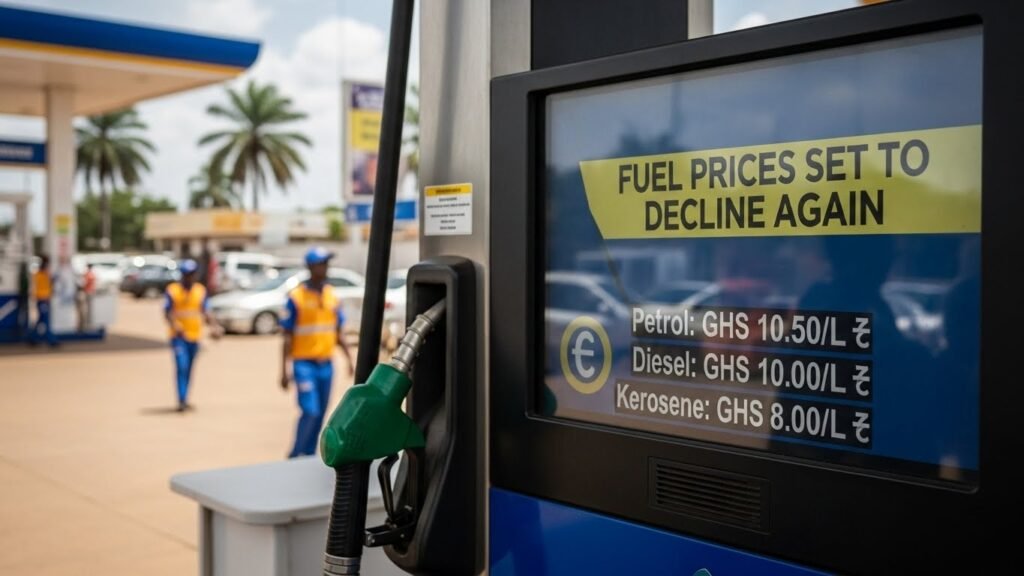
The Fuel Price Floor Programme was introduced by the National Petroleum Authority in April 2024 as a response to what it described as persistent pricing distortions in the downstream petroleum sector.
The directive requires Oil Marketing Companies and Liquefied Petroleum Gas Marketing Companies to strictly adhere to a minimum price when selling fuel.
According to the NPA, the measure aligns with existing Petroleum Pricing Guidelines and was designed to promote transparency, sustainability and fair competition.
The Authority has consistently argued that the policy helps curb predatory pricing, where some players sell below cost to dominate the market, often to the detriment of smaller operators.
While acknowledging concerns raised by industry players and consumer groups, the NPA insists that its priority is long-term market stability.
The Authority believes that a predictable and balanced pricing structure ultimately benefits consumers by ensuring consistent supply and preventing market shocks.
As the debate continues, the regulator says it will keep monitoring market conditions but remains resolute that the Fuel Price Floor Programme is still relevant.
For now, the NPA’s message is clear: stability in the petroleum sector outweighs short-term gains from price reductions, and any policy changes will be guided by caution rather than pressure.
READ ALSO: Cedi Appreciation Triggers Sharp 21% Decline in Foreign Currency Deposits