Ghana Gold Board (GoldBod) has entered into a strategic partnership with the Gold Coast Refinery (GCR) to pioneer the domestic refining of the nation’s precious metal, marking a decisive shift from the traditional export of raw gold.
Under the visionary leadership of CEO Mr. Sammy Gyamfi, this initiative aims to process up to one metric tonne of gold equivalent to 1,000 kilogrammes every single week within the borders of Ghana.
The agreement follows a period of intense technical scrutiny and operational assessments designed to elevate the refinery’s standards to meet international quality benchmarks.
“But it didn’t make sense to us as government that we would have such critical assets in our country and yet 99.9% of all the gold we export out of our country are exported in this raw form.
“We then commenced the drafting of an agreement between us and Gold Coast Refinery, which has gone through rigorous scrutiny. This agreement is going to ensure that up to one metric tonne of gold will be refined here in Ghana every single week.”
Mr. Sammy Gyamfi
This landmark collaboration seeks to rectify the historical underutilisation of critical national assets, such as the Gold Coast Refinery, which has long operated far below its installed capacity of 180 metric tons annually. By transitioning from the export of unrefined doré to the production of high-purity bullion, the government is moving to capture the full value chain of its mineral wealth.
This structural realignment is not merely a commercial contract but a strategic economic intervention supported by the GoldBod governing board and the sector minister to ensure that Ghana’s gold contributes directly to national reserve accumulation and currency stabilization.
Reversing the Drain: Ending the Era of Raw Gold Exports

For decades, Ghana has occupied the prestigious position of being Africa’s top gold producer, yet the economic reality has been one of missed opportunities and “legal capital flight.”


When gold is exported in its raw doré form, the country forfeits significant premiums associated with refined bullion and loses out on the “by-products” of the refining process, such as silver and copper, which often go unaccounted for in raw shipments.
Industry data suggests that by shipping raw gold to refineries in Switzerland or the UAE, Ghana effectively exports the associated jobs, taxes, and industrial technological growth that should remain local.
The absence of a functional, large-scale domestic refining regime has created a “value gap” that leeches millions of dollars from the national economy annually. Beyond the loss of refining margins, the lack of local processing has historically hampered the Bank of Ghana’s ability to build gold reserves efficiently using locally sourced, LBMA-standard bars.
This initiative by GoldBod is a direct response to these vulnerabilities, aimed at “resetting the narrative” by ensuring that the value addition happens at home, thereby retaining wealth that was previously siphoned through foreign processing hubs.
Strengthening Sovereignty through Value Addition and Capacity Building

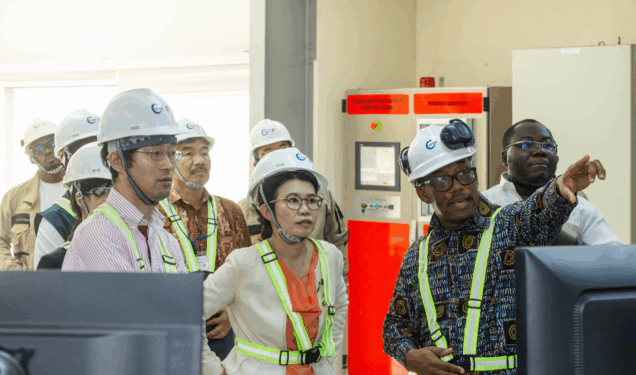
To ensure the success of this partnership, GoldBod commissioned a comprehensive technical consultancy to evaluate GCR’s operational readiness.
This audit led to specific recommendations for equipment upgrades and process enhancements, which the refinery is currently implementing to ensure “quality services” to the state. This move is a precursor to a broader 24-hour economy vision for the mining sector, where the refinery serves as a hub for both small-scale and large-scale miners.
By mandating that a significant portion of GoldBod’s exports be refined locally, the government is creating a guaranteed off-take that provides the refinery with the requisite “economies of scale” to thrive.
The strategic implications of this partnership extend far beyond simple processing; it is about asserting “sovereignty over mineral wealth.”
As GCR ramps up to meet the one-tonne weekly target, the benefits will manifest in increased forex retention and the creation of a specialized labor force in the extractive industry.
By closing the infrastructure gap that once necessitated the export of 99.9% of raw gold, Ghana is finally building the foundations of a “continental gold hub.“
This transition from raw exports to beneficiation is the essential bridge to transforming Ghana from a mere producer into a global powerhouse in the precious metals market.