The International Finance Corporation (IFC) Senior Country Manager for Ghana, Kyle Kelhofer, has moved to stabilize Ghana’s volatile cocoa sector, announcing a massive $300 million financing package from the IFC to prevent a liquidity collapse at the farm gate.
Kyle Kelhofer confirmed that $100 million has already been disbursed to local banks, with the remainder of the facility expected to be rolled out across the 2026 fiscal year. The intervention comes as Licensed Buying Companies (LBCs) struggle with a “financing gap,” triggered by delays in the Ghana Cocoa Board’s (COCOBOD) traditional syndicated loan arrangements.
“That’s the big thing that we’ve been trying to support over the last 18 months, because there’s been a bit of a financing gap with the cocoa board…and the LBC supply chain has had to self-finance.
“We’ve tried to step in, including with some support from the regulators, the central bank and the Ministry of Finance. We’ve tried to help the LBCs have sufficient liquidity, but local currency liquidity, hence via local banks”
Kyle Kelhofer, IFC Senior Country Manager for Ghana
For Mr. Kelhofer, the IFC’s decision to provide this liquidity in local currency is a strategic necessity to ensure that indigenous LBCs can continue purchasing beans directly from farmers without being crushed by high domestic interest rates or currency volatility.

With regards to the sectoral strain, the delay in traditional seed-fund distribution had left many LBCs unable to meet their immediate purchasing obligations. This liquidity crunch posed a direct threat to the livelihoods of approximately 800,000 farm families who rely on prompt cash payments during the harvest peak.
By channeling funds through local partner banks like Société Générale Ghana, the IFC is essentially backstopping the private sector’s role in the cocoa value chain.
According to Mr. Kelhofer, the funding is specifically designed to facilitate the “Cocoa Take-Over Receipts” (CTORs) process, allowing LBCs to move cocoa from district warehouses to port terminals more efficiently.


“This is about ensuring the private sector can still perform its role in a challenging market,” Mr. Kelhofer said, noting that this is not merely about providing cash, but about ensuring the “viability,” of the entire supply chain during a period when COCOBOD is undergoing significant fiscal restructuring.
Global Price Pressures and Demand Destruction
The timing of the IFC injection is critical as global cocoa markets face a “demand destruction,” crisis. On Monday, January 19, cocoa futures in London and New York tumbled below the $5,000 per ton mark – a 23-month low.
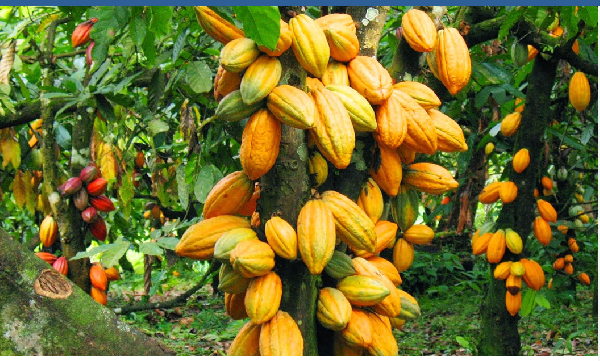
Analysts attribute this slump to an 8.3% decline in European cocoa grinding activity, signaling that high chocolate prices have finally forced global consumers to pull back.
While West African weather conditions have improved, leading to higher harvest prospects in Ivory Coast and Ghana, this increased supply is hitting a market where demand is at its weakest in two years.
This “pincer effect” – lower global prices combined with local financing delay – has made the IFC’s $300 million facility a lifeline for the Ghanaian industry.
“Investments in sectors like agriculture are essential to driving jobs, exports, and long-term economic stability. We at IFC are seeing a lot more business proposals than we were seeing two, three, or four years ago, particularly for larger projects in agriculture and infrastructure. We are keen on supporting viable projects in Ghana, as long as they are credible”
Kyle Kelhofer, IFC Senior Country Manager for Ghana
Beyond the immediate cash injection, the IFC is tying its support to enhanced traceability and sustainable sourcing practices.

As European Union Deforestation Regulations (EUDR) loom over West African exports, the financing package includes advisory services to help local banks and LBCs verify that their beans are not sourced from protected forest areas.
Mr. Kelhofer emphasized that the industrial shift required for Ghana’s agribusiness sector must be built on transparency and efficiency. By providing local currency loans, the IFC is insulating the cocoa sector from the broader macroeconomic pressures that often derail agricultural financing in emerging markets.
READ ALSO: Amewu Backs Kennedy Agyapong’s Flagbearership Bid