Ghana has begun steps to take possession of the residence in Guinea where Osagyefo Dr Kwame Nkrumah lived and worked during the final years of his life, as part of a broader effort to preserve the legacy of the country’s first President.
The initiative, announced by the Minister for Foreign Affairs, Hon Samuel Okudzeto Ablakwa, follows directives from President John Dramani Mahama and involves negotiations with the family of Guinea’s first President, Ahmed Sékou Touré.
According to the Foreign Affairs Minister, the Mahama Administration has initiated formal discussions with the Sékou Touré family to allow Ghana assume ownership of the house in which Nkrumah lived while serving as Co President of Guinea.
After his overthrow in 1966, Nkrumah found refuge in Guinea, where President Sékou Touré appointed him Co President, a symbolic gesture reflecting Pan African solidarity and mutual respect between the two leaders.
Hon Ablakwa explained that the government intends to renovate and preserve the residence, not only as an act of respect to Nkrumah’s memory, but also as a way of safeguarding an important chapter of African political history.
The project, he noted, is expected to contribute to heritage preservation while offering educational and tourism opportunities linked to Nkrumah’s life and ideals.


“The Mahama Administration intends to renovate and preserve Nkrumah’s Guinea residence not only as an act of respect but also to preserve the Osagyefo’s legacy and create a full experience for tourists to follow Nkrumah’s outstanding life from Ghana to Guinea”.
Minister for Foreign Affairs, Hon Samuel Okudzeto Ablakwa
Connecting Historical Ties
The plan reflects a vision of connecting historic sites across national borders to tell a more complete story of Nkrumah’s political journey and Pan African philosophy.
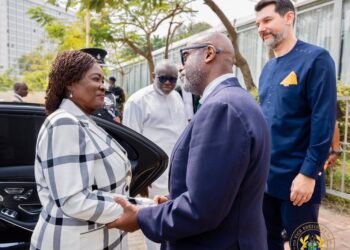
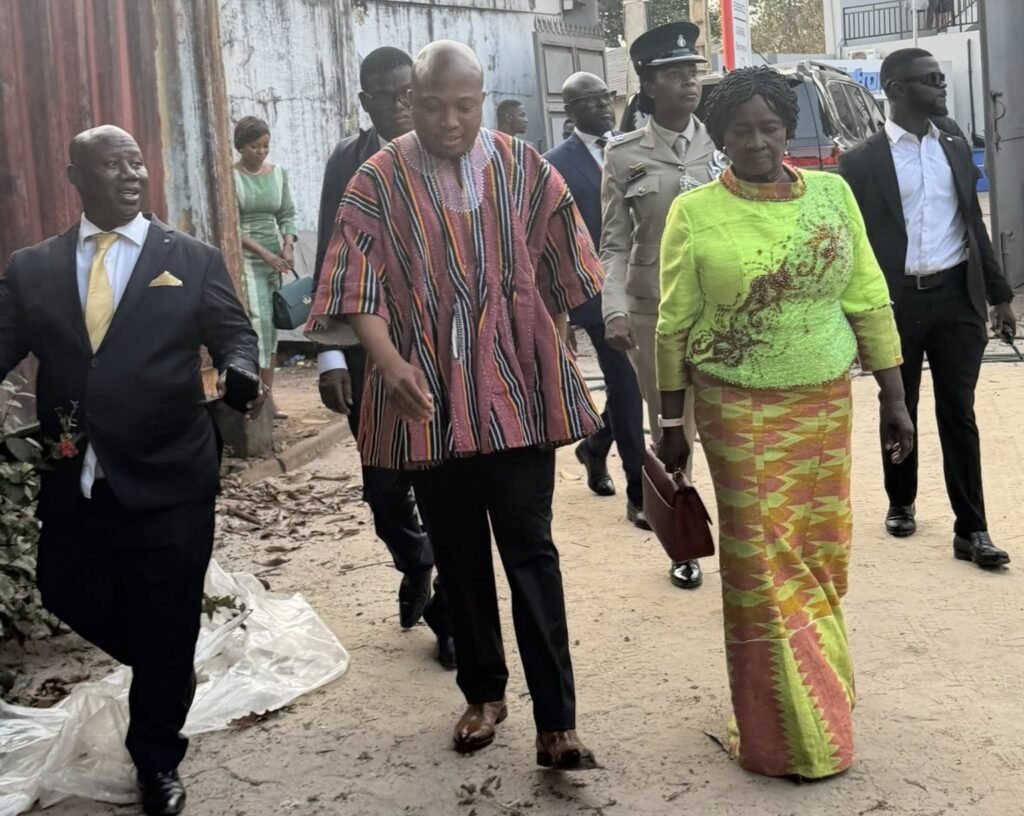
The decision was formally conveyed to the Sékou Touré family during a recent visit to Guinea by a high level Ghanaian delegation. The delegation was led by Vice President, Professor Jane Naana Opoku Agyemang, who was in the country for the investiture of President Mamady Doumbouya.
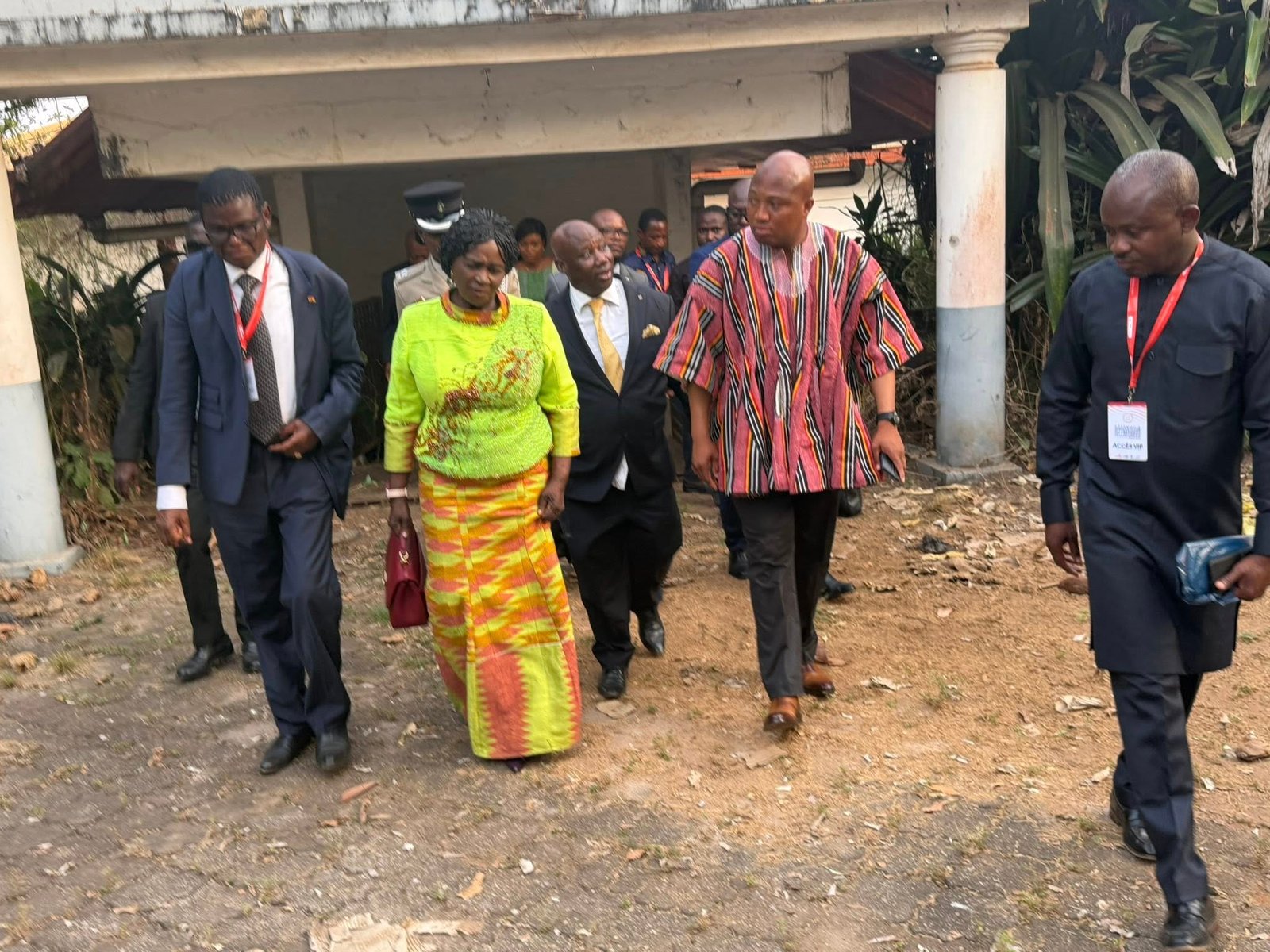
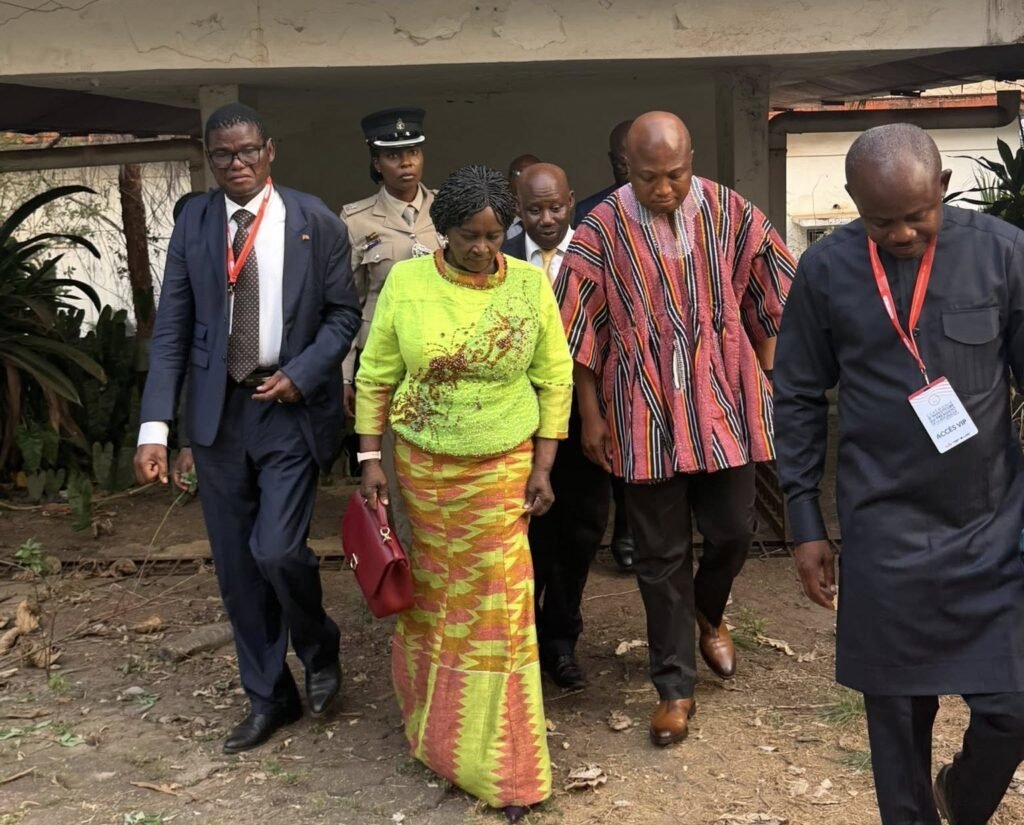
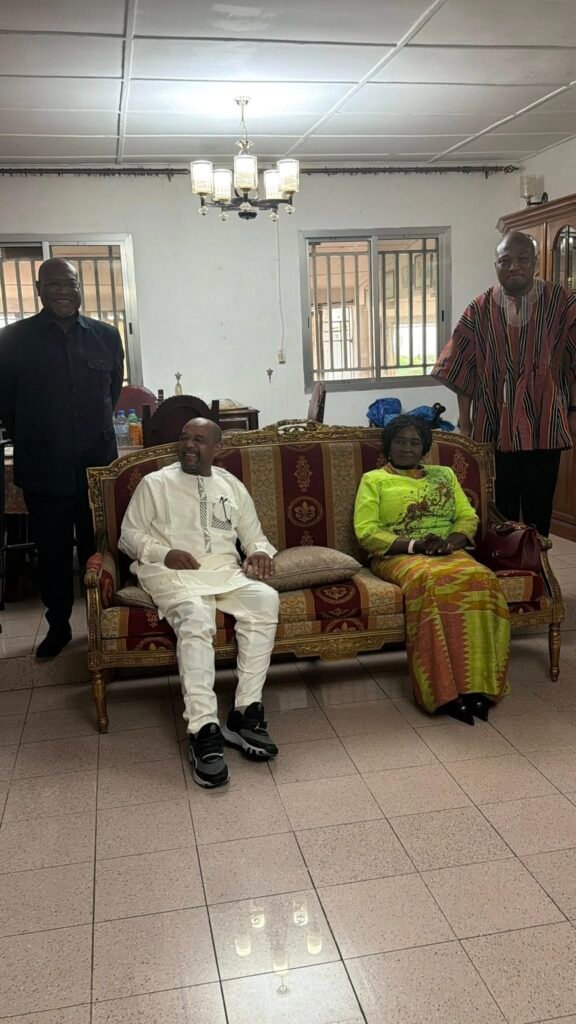
Following the ceremony, the Vice President and accompanying officials visited the Sékou Touré family and toured the residence once occupied by Nkrumah. Hon Ablakwa noted that the Ghanaian delegation was warmly received by three generations of the Sékou Touré family, led by the eldest son of the late Guinean leader.
The reception, he said, reflected the enduring bonds between the two families and the shared historical ties between Ghana and Guinea. It also provided an opportunity for direct engagement on the future of the property and the significance of Nkrumah’s legacy in both countries.
During the visit, members of the delegation toured the residence, which has remained largely abandoned over the years. The house, though structurally present, bears signs of neglect, underscoring the urgency of preservation efforts if the site is to be protected for future generations.
For Ghana, the residence represents not just a physical structure, but a symbol of resilience, exile, and Pan-African unity during a turbulent period in the continent’s history. The Ministry of Foreign Affairs has since begun negotiations on the terms and conditions under which Ghana would take possession of the property.
Hon Ablakwa emphasized that the process will be handled with care and respect, given the historical and emotional significance of the residence to both families and nations. He added that preservation experts will be engaged to ensure that any renovation work maintains the authenticity and historical value of the site.
Commitment to Transparency and Accountability
“In the spirit of transparency and accountability, the Ghanaian public shall be fully apprised at every stage,” the minister assured. This commitment, he said, reflects the government’s recognition of the importance of public trust in heritage projects that involve national history and identity.
If successful, the initiative would expand Ghana’s network of heritage sites associated with Nkrumah, complementing existing landmarks such as the Kwame Nkrumah Memorial Park in Accra.
By extending preservation efforts beyond Ghana’s borders, the government aims to highlight the continental dimensions of Nkrumah’s life and influence, particularly his role in promoting African unity and independence.
Nkrumah’s years in Guinea were marked by reflection, writing, and continued engagement with Pan African thought, even as he lived in exile. Preserving his residence in Guinea would therefore serve as a reminder of both his political struggles and his enduring vision for Africa.
For many Ghanaians and Africans more broadly, the project represents a reaffirmation that Nkrumah’s ideas and sacrifices remain relevant. As negotiations continue, the government has signaled its intention to proceed cautiously and collaboratively.
The outcome is expected to strengthen cultural and diplomatic ties between Ghana and Guinea, while ensuring that an important historical site is preserved with dignity. In the words of the Foreign Affairs Minister, “Nkrumah never dies,” a sentiment that underscores the enduring legacy the project seeks to honor.
READ ALSO: Frontier Market Struggles Threaten Ghana’s Economic Transformation Agenda