The Chamber of Oil Marketing Companies (COMAC) has rejected claims that it is deliberately targeting Star Oil Limited following the company’s decision to suspend its membership over disagreements surrounding the petroleum price floor policy.
Speaking on the matter, COMAC’s Chief Executive Officer, Dr Riverson Oppong, said the perception that the Chamber is portraying Star Oil in a negative light is inaccurate and does not reflect its intentions or public posture.
“The perception from Star Oil that the chamber is advocating that Star Oil is doing something bad, is not the case,” he said. He explained that COMAC’s concern is broader, focusing on the potential consequences of certain pricing practices across the industry.
According to him, COMAC’s position on the fuel price floor is rooted in safeguarding the downstream petroleum sector from practices that could undermine stability, rather than condemning the actions of any single oil marketing company.
Dr Oppong was emphatic that COMAC has not accused Star Oil of wrongdoing, nor has it sought to single out the company in public discussions.
“What we are saying is that it might lead to the situation where other OMCs do bad things, which was the reason for bringing the floor price.”
Dr Riverson Oppong, COMAC’s Chief Executive Officer
He stressed that the Chamber’s advocacy is driven by lessons from past industry challenges, where aggressive price competition created incentives for non-compliance and illicit behaviour among some operators.


Origins of the Fuel Price Floor
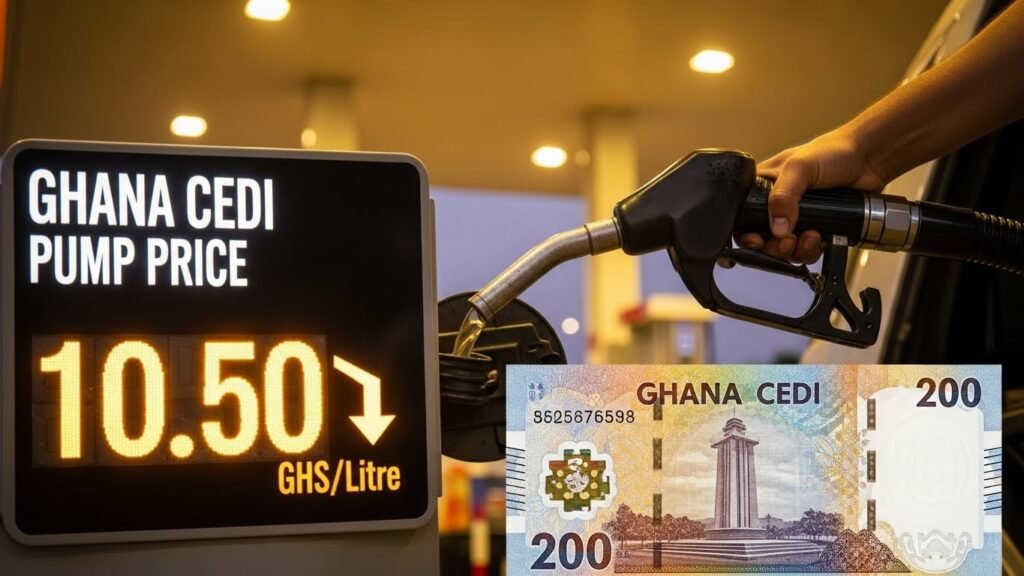
The COMAC Chief Executive explained that the fuel price floor was not imposed unilaterally by regulators but emerged from collaboration between industry players and the National Petroleum Authority (NPA).
According to him, the policy was designed to address specific challenges that threatened the sustainability of the downstream petroleum sector. He noted that the policy aimed to curb destructive price undercutting and encourage responsible competition.
Dr Oppong acknowledged, however, that policies must be reviewed periodically to ensure they remain relevant and effective under changing market conditions.
“This is where we would like to engage NPA following the outcome of our last meeting with the board.”
Dr Riverson Oppong, COMAC’s Chief Executive Officer
According to Dr Oppong, the Chamber is examining issues such as adherence to the policy, challenges faced by members, and whether adjustments may be necessary to reflect current market realities. He indicated that the Chamber would soon clarify its position publicly.
Commitment to Fair Competition
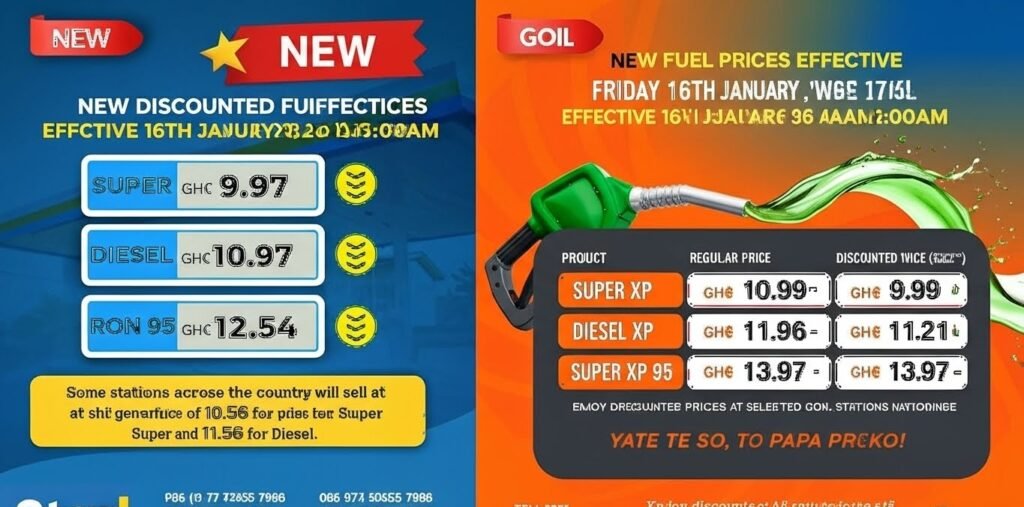
Dr Oppong reiterated COMAC’s commitment to policies that promote fair competition without exposing the industry to instability. He said engagement with stakeholders remains central to the Chamber’s approach, particularly in a deregulated pricing environment where competition is intense.
COMAC, he noted, believes that regulation must strike a careful balance between allowing competitive pricing and preventing practices that could erode consumer confidence or compromise product integrity.
Star Oil recently announced the immediate and indefinite suspension of its membership of COMAC, citing deep disagreements over how the Chamber has handled the ongoing debate on the petroleum price floor.
In its statement, the company said it joined COMAC with the expectation that the Chamber would function as a balanced platform, representing the collective interests of its members while accommodating divergent but constructive views on policy and regulation.
Star Oil said recent developments had raised concerns about whether that principle of balanced representation was still being upheld, prompting it to step back from the Chamber to protect its corporate reputation.
A Growing Industry Divide

The exchange between COMAC and Star Oil highlights broader divisions within Ghana’s downstream petroleum sector over the future of the fuel price floor.
While some operators argue that the policy protects the market from predatory pricing and illicit practices, others believe it delays the transmission of global price and exchange rate movements to consumers.
Dr Oppong said such differences of opinion are not unusual in an industry as diverse as petroleum marketing, but insisted they must be managed through dialogue rather than public confrontation.
As debate over fuel pricing intensifies, COMAC says it remains open to continued engagement with both regulators and industry players, including Star Oil, to find common ground.
Dr Oppong maintained that the Chamber’s ultimate responsibility is to the health of the industry as a whole, not to advancing or undermining the interests of any single company.
With a promised press statement expected soon, industry watchers are keenly awaiting further clarity on COMAC’s position and whether ongoing engagements with the NPA could lead to adjustments in the fuel price floor regime.
For now, COMAC insists its message is being misunderstood: the debate, it says, is about protecting the sector’s future, not targeting Star Oil.
READ ALSO: GSS Reports Sharp Drop in Multidimensional Poverty