Ghana is set to significantly expand access to digital learning as Google’s education tools will be deployed nationwide on a zero rated basis, ensuring that learners and teachers can access key educational resources without data charges.
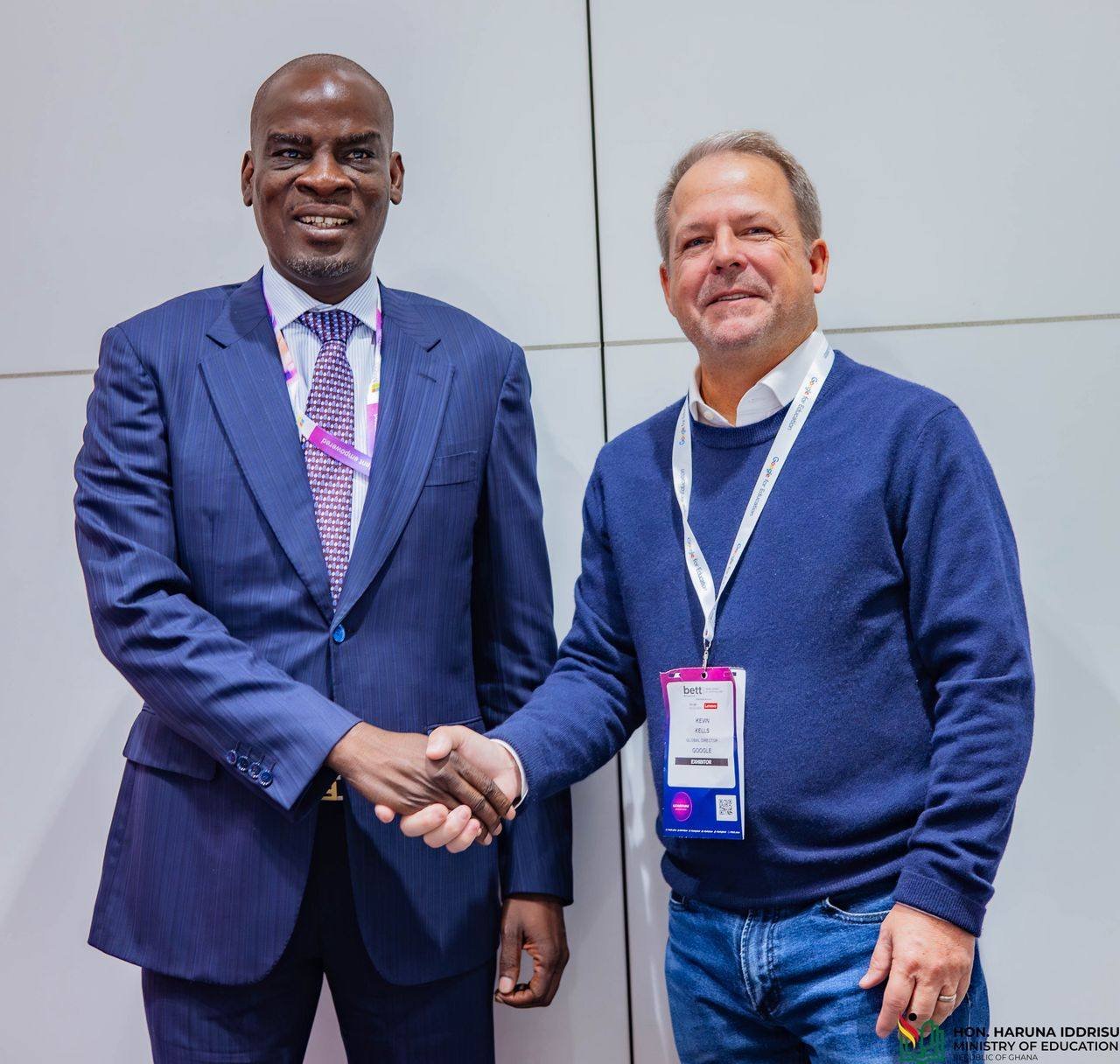
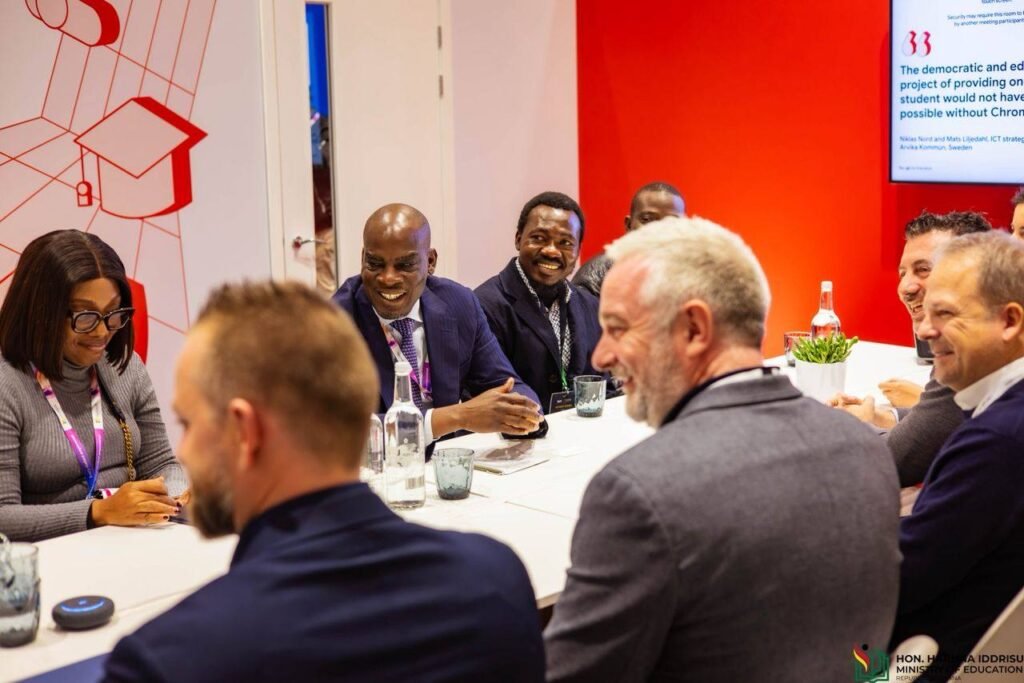
The announcement was made by the Minister for Education and Member of Parliament for Tamale, Hon Haruna Iddrisu, following high-level engagements at the ongoing Generative AI Summit in the United Kingdom.
“…I had a fruitful engagement with the Vice President of Google in the ongoing Generative AI summit in the United Kingdom, where ideas were shared to improve quality Education in Ghana and Africa as a whole”.
He described the engagement as productive and timely, coming at a moment when technology is increasingly shaping teaching, learning, and skills development. Hon Iddrisu said the assurance from Google marks a major step toward bridging the digital divide in education, particularly for students in underserved and remote communities.

By deploying Google’s education tools on a zero rated basis, he explained, access will not be determined by income levels or geographical location. The zero rated deployment will cover curriculum aligned educational content as well as learning resources designed to support the responsible use of artificial intelligence in classrooms.
The Minister noted that this approach aligns with government’s broader commitment to equitable education and the integration of technology into teaching and learning. Ghana’s growing role in Africa’s digital transformation was further underscored by Google’s recent investments on the continent.


In July 2025, Google announced a thirty seven million dollar investment in artificial intelligence research and digital skills development across Africa. A key component of that investment is the establishment of a new AI Community Center in Accra, which is expected to serve as a hub for innovation, training, and collaboration.
This initiative forms part of Google’s broader one billion dollar commitment to Africa’s digital future. According to industry observers, these investments firmly position Ghana as a strategic center for AI research and digital skills development in West Africa and beyond.

The Education Minister highlighted ongoing collaborations between Google, the University of Ghana, and the GDI Hub aimed at advancing speech recognition and artificial intelligence tools for Ghanaian languages.
These efforts focus on improving digital accessibility by developing tools that understand and process local languages such as Twi, Ewe, and Dagbani, including non standard speech patterns often overlooked by mainstream technologies.
He noted that such innovations have the potential to transform education and public services by making digital platforms more inclusive and responsive to local contexts. By enabling learners to interact with technology in their own languages, these tools can help reduce barriers to participation and improve learning outcomes.
During his engagement with Google officials, Hon Iddrisu emphasized the importance of expanding language coverage to include Hausa. He described Hausa as a widely spoken language across Ghana and the broader West African region, and argued that its inclusion would deepen regional inclusion and enhance the reach of AI driven educational tools.
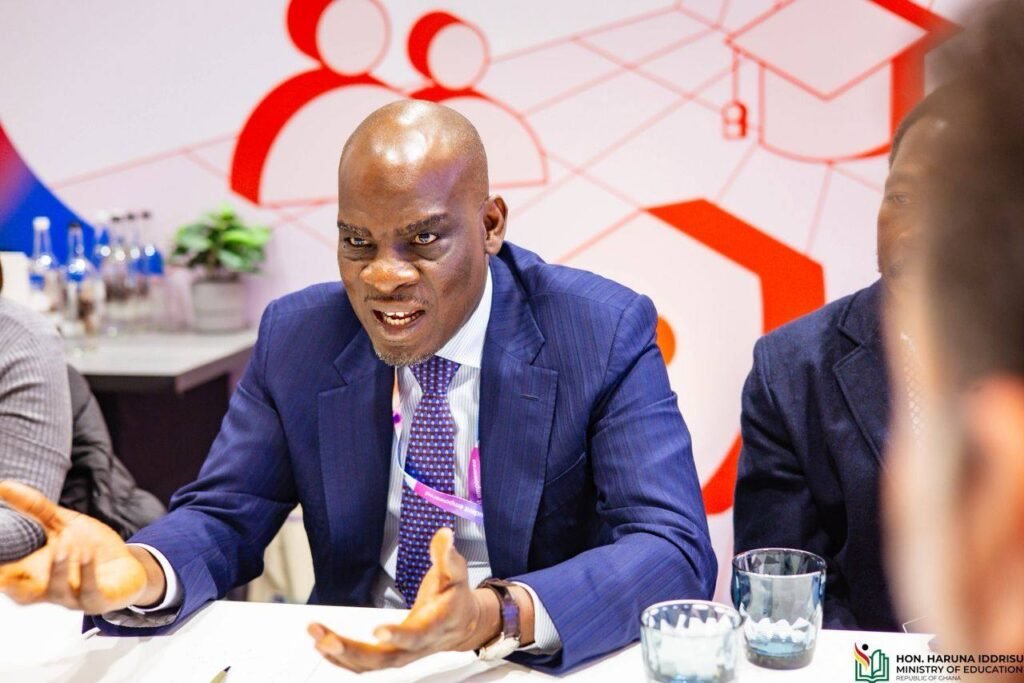
According to the Minister, integrating Hausa into speech recognition and learning platforms would not only benefit Ghanaian learners but also strengthen the country’s leadership role in regional AI innovation. He said Ghana’s ambition is to ensure that technological advances reflect the linguistic and cultural diversity of Africa.
The assurance of zero rated access was given by Google’s Director of Operations for Africa and the lead for Gemini, the company’s generative AI platform. Hon Iddrisu described the commitment as a clear signal of Google’s confidence in Ghana’s education and digital transformation agenda.
He stressed that responsible use of artificial intelligence in education remains a priority, noting that the deployment of these tools will be accompanied by guidance and resources for teachers and learners. This, he said, is essential to ensure that technology enhances learning without undermining ethical standards or critical thinking.
Education sector stakeholders have welcomed the development, noting that data costs have long been a barrier to effective use of digital learning platforms. Zero rated access, they say, could significantly boost participation in online learning and support efforts to modernize Ghana’s education system.
As Ghana continues to invest in digital infrastructure and skills development, the partnership with Google is expected to play a key role in preparing students for the demands of a rapidly changing global economy. The Education Minister said Ghana is not merely adopting emerging technologies but actively shaping how they are applied to support African development.
He expressed optimism that the collaboration will yield long term benefits for learners, educators, and the wider economy. By combining policy direction, academic collaboration, and private sector innovation, Ghana aims to position itself at the forefront of Africa’s AI driven education revolution.
READ ALSO: Trade Ministry Anchors Ghana’s Trade Expansion In Nanjing