Described in 2025 as one of the continent’s best performers, Ghana is scripting a narrative of economic resurgence that blends cautious optimism with underlying vulnerabilities.
As the nation emerges from a tumultuous period marked by debt distress, high inflation, and currency volatility, its fragile stabilization efforts are now propelling modest but steady growth. With a projected GDP expansion of around 4.8–5.9% in 2026, Ghana’s economy is on a path to recovery, driven by fiscal reforms, commodity exports, and targeted investments.
Yet, this progress remains precarious, susceptible to external shocks and domestic challenges that could derail the momentum.
2025: The Turning Point Year
The foundation of this stabilization was laid in 2025, a year described by policymakers as a “decisive turning point.” Following Ghana’s worst economic crisis in a generation, triggered by the COVID-19 pandemic, global commodity price fluctuations, and fiscal slippages, the government implemented stringent measures under an International Monetary Fund (IMF) Extended Credit Facility.
By the end of 2025, inflation had plummeted to single digits for the first time since 2021, reaching 5.4% in December, down from double-digit highs earlier in the year. The cedi stabilized appreciably, appreciating from GH¢16.35 to GH¢10.92 against the US dollar by November 2025, bolstered by improved external reserves covering at least three months of imports.
Economic growth in 2025 exceeded expectations, with real GDP expanding by 6.3% in the first half of the year, fueled by robust performances in services at 8.8% and agriculture at 6.0%. Non-oil GDP surged to 7.8%, signaling a gradual shift away from heavy reliance on extractives such as gold and oil toward more diversified sectors.


This rebound was supported by prudent fiscal policies, including a primary surplus of 1.6% of GDP by September 2025 and a reduction in public debt to 45% of GDP from 61.8% in 2024. The IMF’s fifth programme review in December 2025 affirmed that Ghana remained on track, with macroeconomic stabilization gaining momentum.
2026: From Recovery to Transformation
With attention now fixed on 2026, described by economists as a “Bridge Year,” the focus shifts from stabilization to sustainable transformation. The government’s budget, themed “Resetting the Economy for Growth, Jobs and Economic Transformation,” projects real GDP growth of at least 4.8%, with non-oil GDP expected to expand by 4.9%.
Total GDP is projected to reach GHS1.5 trillion, with sectoral contributions led by services at 47%, industry at 31%, and agriculture at 22%. Inflation is targeted at 8%, within a ±2% band, while the fiscal deficit is expected to narrow to 2.2% on a commitment basis, supported by a primary surplus of 1.5% of GDP.
Commodities, Infrastructure and Job Creation Drive Momentum
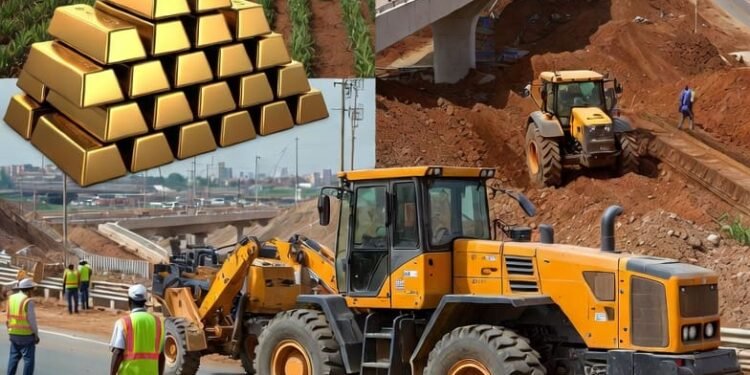
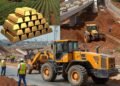
Key drivers of growth include commodity exports, particularly gold and cocoa, which have benefited from favourable global prices. Gold production is expected to anchor external stability, while agricultural output is projected to rebound following recent declines in cocoa yields.
The government is also investing heavily in infrastructure through initiatives such as the Big Push Programme, which has earmarked US$10 billion for projects including the 198.7-kilometre Accra–Kumasi Expressway, expected to generate about 30,000 jobs.
Agricultural transformation remains central to the strategy, with the National Policy on Integrated Oil Palm Development targeting the cultivation of 100,000 hectares, self-sufficiency in edible oils, and the creation of 250,000 jobs. Meanwhile, the 24-Hour Economy initiative, alongside expansions in agro-processing and garment manufacturing, is projected to generate up to 800,000 additional jobs.
Energy and Tax Reforms to Support Industrial Growth
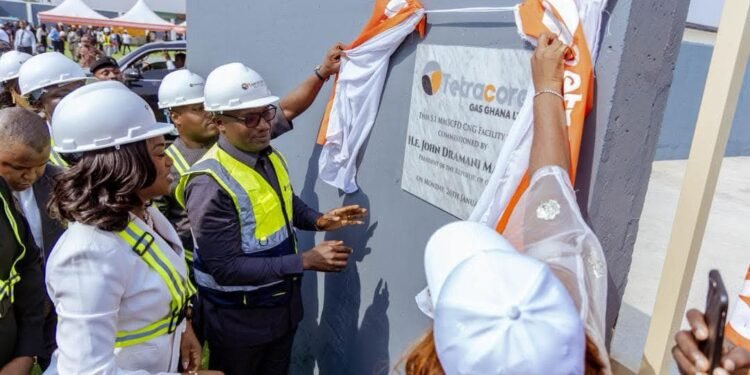
Energy sector reforms are also playing a critical role. Renegotiated power purchase agreements have saved an estimated US$250 million annually, while solar tariffs have been reduced to 6.5 cents per kilowatt-hour. Investments in a new 1,200-megawatt state-owned gas-to-power plant and GH¢2 billion in rural electrification are expected to enhance reliability, cut energy costs by as much as 75%, and support industrial expansion.
On the fiscal side, tax reforms, including a reduction in the effective VAT rate to 20% and the abolition of the COVID-19 levy, are aimed at easing the burden on businesses while boosting non-oil tax revenue to 15.7% of GDP.

Risks Linger Beneath the Optimism
Despite these gains, Ghana’s stabilization remains fragile. Analysts warn that the economy remains vulnerable to external shocks such as geopolitical tensions, commodity price volatility, and global economic slowdowns. Recently, the Bank of Ghana Governor has cautioned that the country is not out of the woods yet, stressing that improved conditions should not breed complacency. He emphasized that 2026 will be a critical test of Ghana’s policy discipline and economic credibility.
Domestically, fiscal pressures persist from labour demands, the risk of arrears accumulation after the IMF programme ends in May 2026, and spending pressures linked to ambitious development initiatives. Past election-year slippages, including a primary deficit of 3.9% in 2024, highlight the ever-present risk of policy reversals.
Structural vulnerabilities also remain pronounced. Revenue leakages at the ports, estimated at GH¢11 billion, and unverified import transfers amounting to US$31 billion continue to undermine fiscal efficiency. Overdependence on traditional sectors compounds the challenge, with oil production having declined by about 50% between 2019 and 2025 before recent investments began to reverse the trend.
To address these risks, the government is rolling out AI-driven customs inspections, payroll audits, and a proposed Value for Money Office to improve spending efficiency. Debt management strategies aim to cap short-term debt below 15% and foreign debt at 70% while rebuilding fiscal buffers amid favourable commodity cycles.
Confidence Builds, but the Margin for Error Is Thin
Fitch Ratings’ upgrade of Ghana’s sovereign rating to ‘B-’ with a stable outlook reflects growing investor confidence, with the agency projecting 4.5% growth in 2026 and a narrowing current account surplus of 1.1% of GDP.
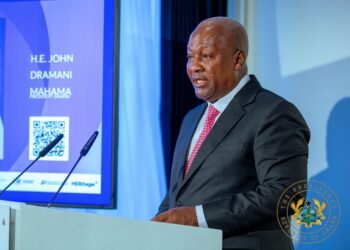
Political and business leaders have echoed this guarded optimism. President John Dramani Mahama has expressed surprise at the speed of the turnaround, while economists such as Dr. Theo Acheampong expect stronger gains if IMF-aligned reforms are sustained. Consumer and business confidence have climbed to multi-year highs, helping to support domestic demand.
As 2026 unfolds, Ghana walks a fine line between consolidating its hard-won stability and pursuing long-term growth. If reforms remain on track and risks are carefully managed, the country could emerge as one of Africa’s strongest economic comeback stories. However, any misstep could quickly reverse recent gains, underscoring just how fragile the recovery remains.