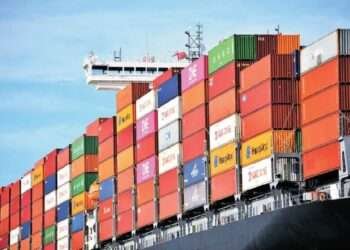
Ghana’s insurance industry is poised for a significant shift as the enforcement of the mandatory local cargo insurance policy draws closer.
With implementation scheduled for 1 February 2026, industry players and regulators are increasingly optimistic that the directive could lift insurance penetration beyond the long stagnant one per cent of Gross Domestic Product.
The policy requires all commercial imports into Ghana to be insured by locally licensed underwriters, a move expected to retain premium income within the domestic economy.
For years, insurance penetration in Ghana has remained among the lowest in Africa, reflecting limited coverage, low awareness and structural leakages in premium collection. Experts believe the new directive directly addresses one of the most critical leakages in the system.
Consultant Predicts Industry Growth
William Akita, an Insurance Regulations Consultant, has described the mandatory local cargo insurance policy as a game changer for the sector. According to him, Ghanaian insurers have historically been sidelined when it comes to premiums generated from international trade.
He explained that premium income is the core revenue stream for insurance companies, yet a significant portion of this income has been lost to foreign underwriters due to the practice of insuring imports abroad. By compelling importers to insure cargo locally, the policy is expected to unlock a new and stable source of revenue for domestic insurers.


Mr Akita noted that the ability to collect more premiums locally will not only boost revenue but also automatically increase insurance penetration across the economy.
Addressing Long Standing Capital Flight
One of the central objectives of the policy is to curb capital flight. Traditionally, many importers have insured their goods outside Ghana, leading to substantial premium outflows each year. These outflows have weakened the local insurance market and limited its capacity to grow.
The Ministry of Finance believes that enforcing local cargo insurance will help retain insurance revenue within the country. This retention is expected to strengthen local firms, improve their balance sheets and enable them to underwrite larger and more complex risks over time.
By keeping premiums within the domestic financial system, the policy could also contribute to broader economic stability and support the government’s efforts to deepen financial sector development.
Strengthening Industry Capacity and Sustainability
Beyond revenue gains, the policy is expected to enhance the overall capacity and sustainability of the insurance industry. Increased premium volumes provide insurers with greater capital, which can be reinvested into technology, skills development and product innovation.
According to industry analysts, a stronger capital base will enable insurers to expand their underwriting capacity and improve claims settlement efficiency. This, in turn, could boost public confidence in insurance products and encourage more individuals and businesses to take up coverage.
Mr Akita emphasized that the timing of the directive is critical, especially as Ghana seeks to grow its economy and create jobs. A more robust insurance sector can support these goals by providing risk protection for businesses and contributing to employment across underwriting, brokerage and ancillary services.
Legal Backing Under Insurance Act
The mandatory local cargo insurance policy is anchored in Section 222 of the Insurance Act, 2021 (Act 1061). The law mandates that all commercial imports into Ghana must be insured by underwriters licensed in the country. This legal backing gives the directive strong regulatory authority and reduces ambiguity around its enforcement.
The Ghana Revenue Authority will lead enforcement efforts, working in collaboration with other relevant state agencies. This multi agency approach is expected to improve compliance and ensure that importers adhere to the new requirements.
Regulators have indicated that effective enforcement will be key to realizing the full benefits of the policy. Without strict monitoring, the risk of circumvention could undermine the intended impact on insurance penetration.
Implications for Insurance Penetration
Insurance penetration in Ghana currently stands at about one per cent of GDP, a figure many experts consider unacceptably low for an economy of its size. The introduction of mandatory local cargo insurance could significantly alter this picture.
By capturing premiums from international trade, insurers will record higher gross written premiums, which directly feed into penetration metrics. Over time, the increased visibility of insurance in commercial transactions could also raise awareness and drive demand for other insurance products.
Industry observers believe that sustained implementation and enforcement could push insurance penetration above the one per cent threshold, marking an important milestone for the sector.
As the February 2026 implementation date approaches, stakeholders are calling for continued engagement between regulators, insurers and importers. Education and clear communication will be essential to ensure smooth adoption and minimize resistance.
If successfully implemented, the mandatory local cargo insurance policy could represent one of the most impactful reforms in Ghana’s insurance industry in recent years. By boosting premium retention, strengthening local capacity and improving penetration, the directive has the potential to reposition insurance as a key pillar of Ghana’s economic growth agenda.
READ ALSO:Deloitte Tips Ghana Growth to Hit 5.9%