Ghana continues to face a significant housing deficit, currently estimated at over 1.8 million units, a challenge exacerbated by rapid urbanisation and affordability constraints.
With more than half of the country’s population now living in urban areas, and projections indicating this could rise to over 72 percent by 2050, the demand for housing in major metropolitan areas such as Accra, Kumasi, and Takoradi has grown exponentially.
Unfortunately, supply has not kept pace, resulting in overcrowding, high property prices, and the expansion of informal settlements. In response, the Government of Ghana has intensified efforts to address both housing supply and affordability while promoting sustainable urban planning.
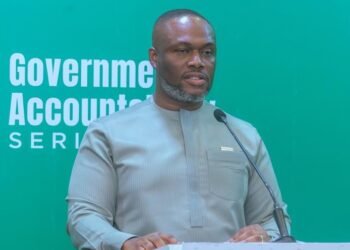
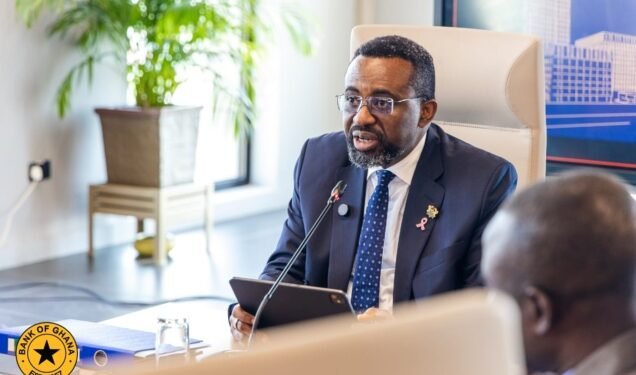
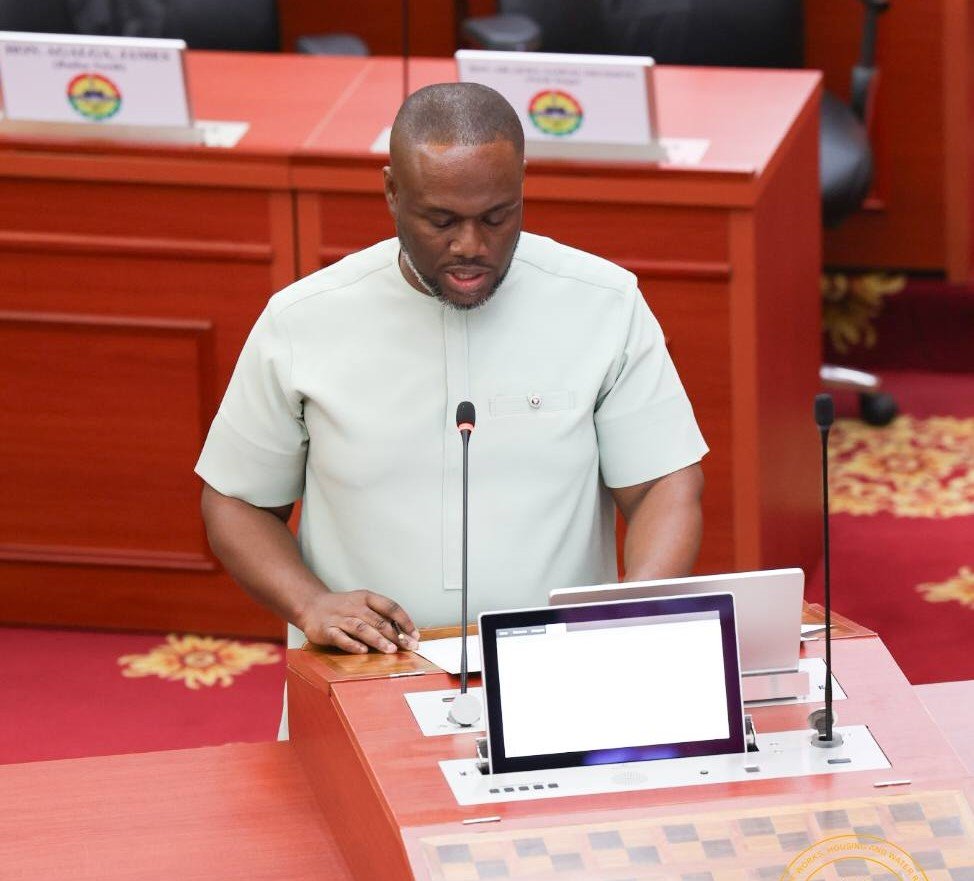
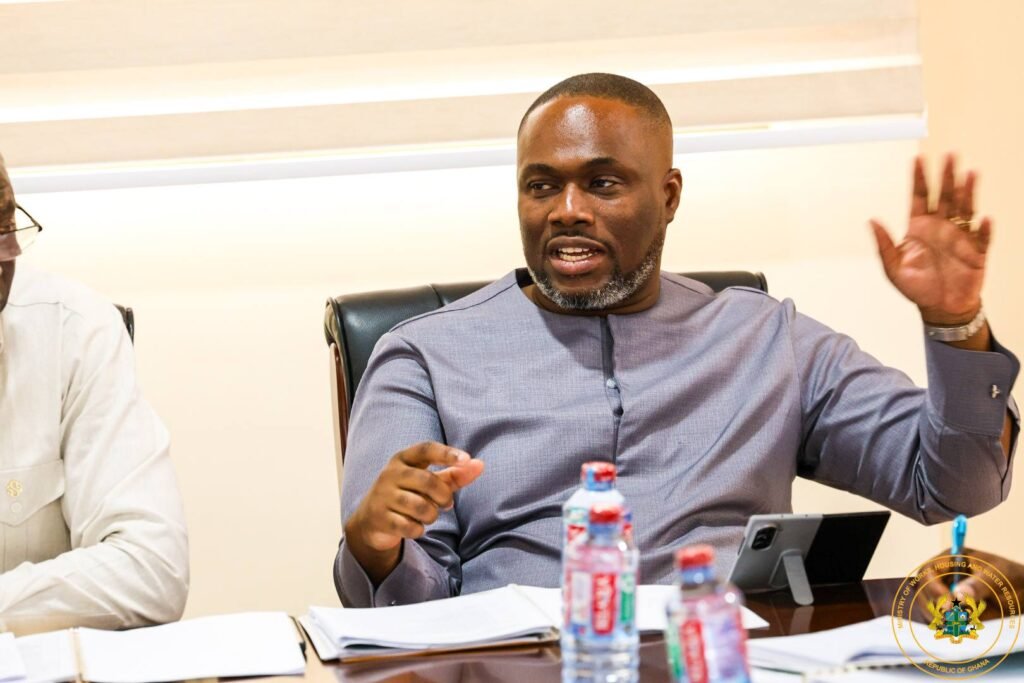
At the Government Accountability Series held at Jubilee House, Hon. Kenneth Gilbert Adjei, Minister for Works, Housing and Water Resources, emphasised the government’s commitment to bridging the housing gap.
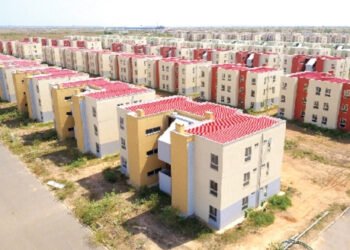
“Our ministry has continued efforts to complete stalled affordable housing projects across the country,” he said, highlighting ongoing work by TDC Ghana Limited on 800 units at the Kpong Affordable Housing Project in Tema Community 26.
These units, according to the Minister for Works, Housing and Water Resources at various stages of completion, are progressing steadily and are expected to provide much-needed relief to low- and middle-income earners.


Ho Oxygen City Project
The Minister also spoke on the Oxygen City Housing Project in the Volta Region, a landmark initiative intended to develop 1,000 affordable housing units on approximately 1,000 acres of land.
“This project is envisioned as a well-planned, serviced, and economically integrated community, featuring essential amenities such as a school, hospital, shopping mall, gym, and recreational centre.”
Hon. Kenneth Gilbert Adjei, Minister for Works, Housing and Water Resources
Scheduled for completion by June 2027, the project marks TDC Ghana Limited’s first venture outside the Tema Acquisition Area and demonstrates the government’s commitment to tackling housing deficits beyond the major urban centres.
State Housing Company Limited is also advancing its projects, including the Surge Homes development at Amrahia and the SHC Gardens project, both of which are currently 68 percent and 70 percent complete, respectively.
These projects reflect a coordinated effort to expand affordable housing while meeting the needs of urban populations. The National Home Ownership Fund has similarly made notable strides in increasing access to affordable housing.
Through construction financing support, the fund has completed the construction of one-to-nine-unit housing developments at Tema Community 22, with additional units at Shill Hills expected to be finished by the end of the second quarter.
These initiatives collectively aim to provide diverse options for Ghanaians seeking safe, secure, and dignified housing. In addition to expanding new housing units, the government has also prioritised the redevelopment of state-owned properties through the Government Redevelopment Programme.
This initiative seeks to transform underutilised public lands into modern residential and administrative developments, providing both housing for public servants and more efficient use of urban land.
To date, 195 housing units have been completed at Roman Ridge, Labone, and Lartebi-Okoshie, with units allocated to public servants. The programme underscores the government’s broader strategy of enhancing living standards while promoting sustainable urban planning.
Greenville District Housing Programme
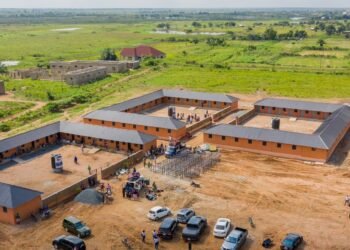
Recognising the importance of decentralisation, the Ministry has initiated the Greenville District Housing Programme, targeting low- to middle-income earners across eight pilot districts: South Dayi, Asuogyaman, Akyemmansa, Ajumako-Enyan-Essiem, Atwima-Kwanhuma, Doma West, Bole, and Tamale.
Each district is earmarked to receive 22-bedroom housing units as part of the first phase. A hybrid construction approach using compressed earth blocks, sand crates, and conventional blocks is being employed to ensure sustainability, cost efficiency, and resilience.
The official launch of this district-level programme is expected shortly and represents a significant step toward improving social equity and inclusivity in housing delivery. Minister Adjei stressed that the government’s housing interventions are part of a broader agenda to transform lives and strengthen communities.
“Over the past months, we have made notable strides across our three core areas: works, housing, and water resources. Our progress speaks to our enduring commitment to transforming lives, strengthening communities, and advancing the foundational work for Ghana’s sustainable development”.
Hon. Kenneth Gilbert Adjei, Minister for Works, Housing and Water Resources
The government’s multifaceted approach to housing aims not only to address the quantity gap but also to ensure that the quality of housing and urban planning standards meet modern expectations.
By combining the completion of stalled projects, the development of large-scale housing estates, and decentralised district housing programmes, the Ministry seeks to make significant inroads into Ghana’s chronic housing deficit.
Urbanisation trends, population growth, and income disparities continue to place pressure on Ghana’s housing market, making government-led interventions critical.
Through strategic partnerships with developers, financing institutions, and district assemblies, the Ministry aims to ensure that affordable, safe, and inclusive housing reaches citizens across the country.
As Ghana moves toward achieving its housing goals, these projects are expected to provide not only shelter but also economic opportunities through job creation in construction, materials supply, and related sectors.
They also reinforce the government’s broader vision for sustainable development, ensuring that urban growth is managed effectively while improving the living conditions of citizens across all income levels.
The government’s drive to close the 1.8 million housing deficit underscores a decisive commitment to bridging the urban-rural housing divide, enhancing social equity, and fostering sustainable urban development.
With multiple ongoing projects, both in metropolitan areas and district-level pilot programmes, Ghana is positioning itself to significantly reduce the housing shortage while improving living standards and resilience for current and future generations.
READ ALSO: Ghana Records $20bn in Gold Export Earnings in 2025