
The government has stepped up efforts to confront Ghana’s deepening rent crisis, announcing major legal reforms aimed at modernising outdated rental laws, strengthening tenant protections and restoring balance to a housing market under severe strain.
The Minister for Works, Housing and Water Resources, Hon. Kenneth Gilbert Adjei, disclosed the renewed push while addressing the Government Accountability Series at the Jubilee House, outlining measures designed to respond to rising rent costs, regulatory gaps and mounting social pressures.
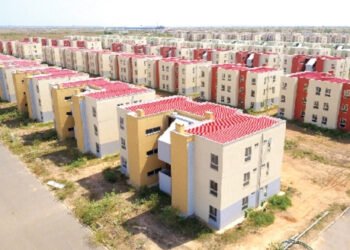
Ghana’s rental housing sector has become a focal point of national concern, shaped by a housing deficit estimated at about 1.8 million units and the rapid pace of urbanisation.
With more than half of the population now living in urban areas, demand for rental accommodation has surged, particularly in major cities such as Accra, Kumasi and Takoradi.
This demand has far outpaced supply, pushing rents beyond the reach of many households and forcing a significant share of urban residents into overcrowded or informal settlements.
Review of Rent Act
At the centre of the government’s reform agenda is a comprehensive review of the Rent Act of 1963, Act 220, and the Rent Control Law of 1986, PNDC Law 138. According to the minister, these laws no longer reflect current economic realities or housing market dynamics.


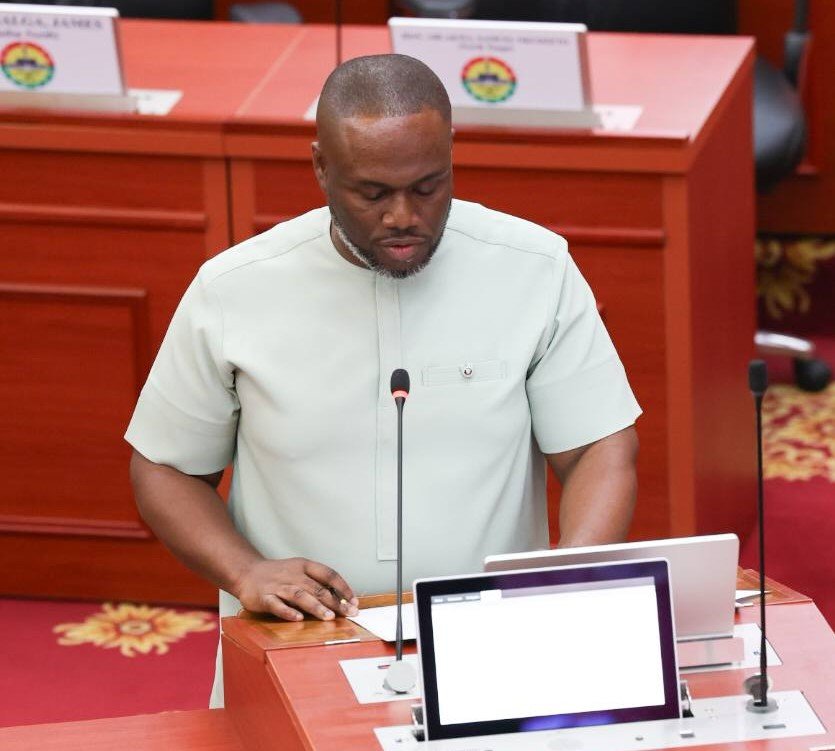
He explained that the review seeks to modernise the legal framework governing rental housing, remove regulatory bottlenecks, and create conditions that encourage responsible private sector investment while safeguarding tenants, especially low-income and vulnerable groups.
Hon. Kenneth Gilbert Adjei, Minister for Works, Housing and Water Resources, noted that rental housing plays a critical role in national development and social stability, making reform unavoidable.
“Key priorities include maintaining tenant protections, especially for low-income and vulnerable groups, while also regulating hostel accommodations fees across the country.”
Hon. Kenneth Gilbert Adjei, Minister for Works, Housing and Water Resources
He added that the goal is not to stifle landlords but to establish a balanced system that is predictable, transparent, and enforceable that benefits all stakeholders
Reforms Targeting the Scale of Crisis
The urgency of the reforms is underscored by the scale of the current crisis. Despite existing regulations that limit rent advance payments to six months, landlords commonly demand one to two years upfront.
In Accra and other urban centres, rental prices have risen sharply, with some areas recording increases exceeding 100 percent within short periods. These trends have placed immense pressure on young professionals and low income earners, many of whom struggle to secure decent accommodation even with relatively stable incomes.
The minister acknowledged that enforcement failures have weakened public confidence in the existing rent control regime. The Rent Act of 1963, he said, has become largely ineffective due to outdated provisions and limited institutional capacity.
As a result, informal arrangements dominate the market, leaving tenants with little protection and few avenues for redress. He stressed that the proposed reforms are intended to make rent regulation more practical and responsive to contemporary challenges.
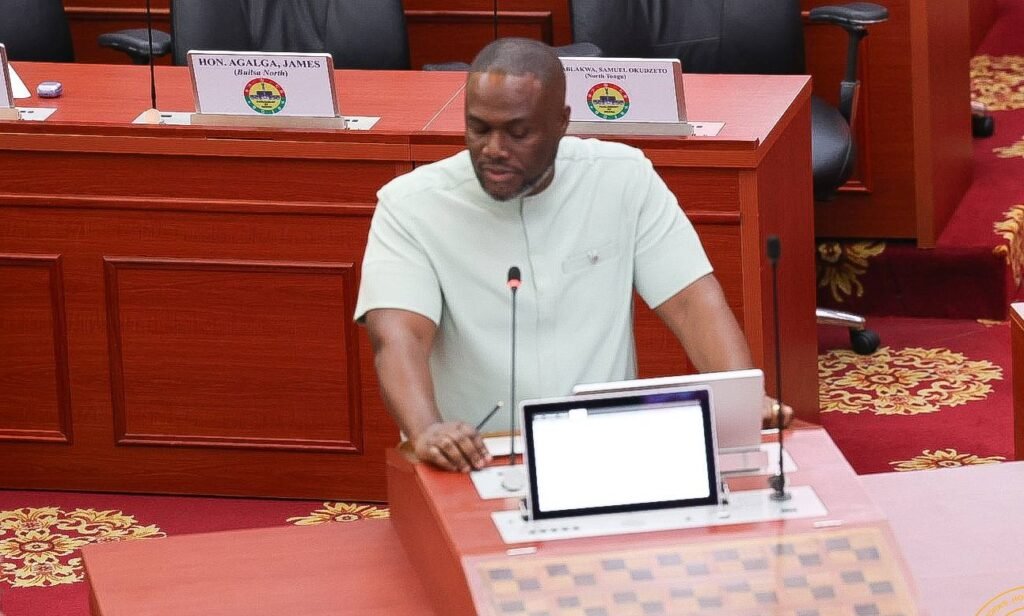
As part of the reform process, the ministry organised a National Rent Dialogue towards the end of 2025 to validate and refine proposed amendments. The dialogue brought together key stakeholders, including policymakers, housing experts, tenant representatives and private developers.
Hon. Adjei said the engagement helped streamline the reform proposals and build consensus around the need for change. The revised bill, he disclosed, is being prepared for resubmission to Cabinet, after which it will be forwarded to Parliament for consideration and approval.
National Rental Assistance Scheme
Beyond legal reforms, the government is also deploying targeted interventions to ease immediate rental pressures. One such initiative is the National Rental Assistance Scheme, established in 2023 as a social housing programme to support eligible households with rent advance payments.
The minister reported that the scheme is currently being piloted in six regions, including Greater Accra, Bono East, Northern, Eastern, Western and Ashanti. In 2025 alone, the scheme facilitated rent advance payments for 2,031 Ghanaians across the six regions, bringing the total number of beneficiaries since inception to 4,732.
“I am glad to state that so far the disbursement recovery rate is about 99 percent, indicating the government seed money is fully recoverable and in circulation”.
Hon. Kenneth Gilbert Adjei, Minister for Works, Housing and Water Resources
The high recovery rate, he said, has strengthened the case for expanding the scheme nationwide. The government, he added, is poised to scale up the programme across all 16 regions in the short to medium term, building on beneficiary success stories that highlight its impact on household stability and community wellbeing.
While acknowledging that broader economic factors such as high construction costs, currency volatility and speculative investment in real estate continue to influence rent levels, the minister maintained that legal reform remains a critical foundation for lasting change.
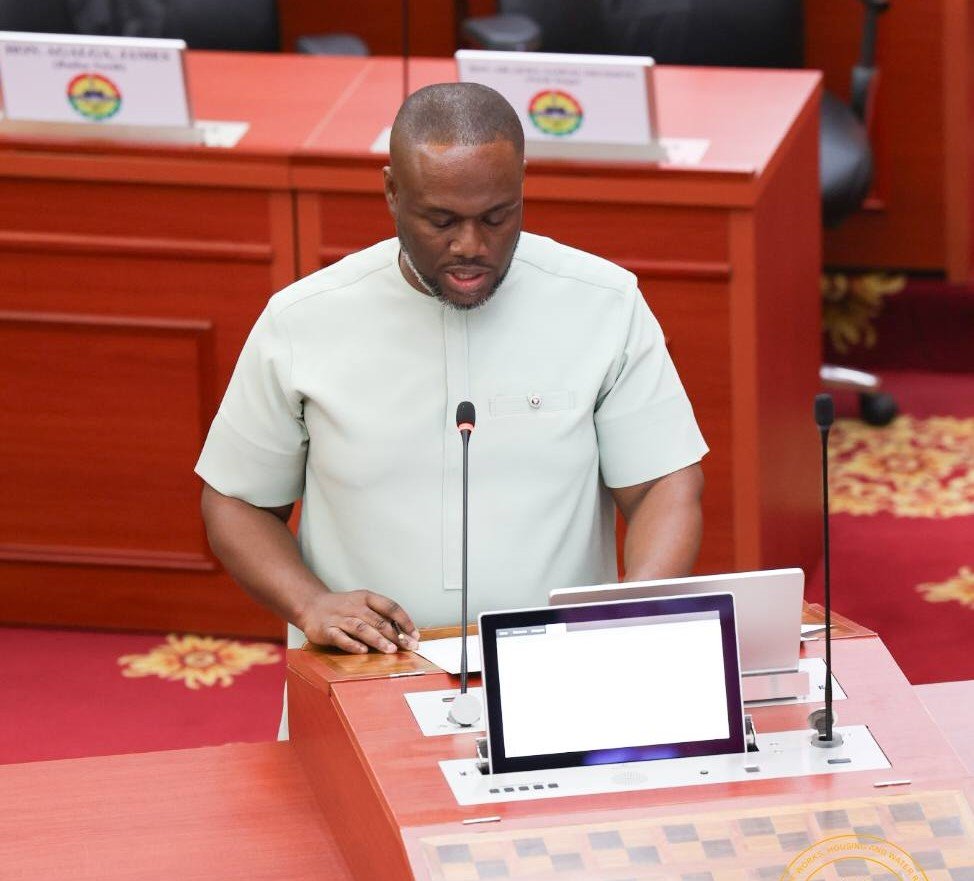
He said updating the rent laws would help restore order to the market, improve compliance and protect citizens from exploitative practices. Hon. Adjei placed the rent law reforms within the wider context of the government’s reset agenda across works, housing and water resources.
He said the progress recorded so far reflects a commitment to transforming lives, strengthening communities and laying the groundwork for sustainable development.
As the revised rent legislation moves closer to Parliament, expectations are rising that long-awaited reforms could offer meaningful relief to millions of renters across the country.
READ ALSO: Government Poised to Revive VALCO