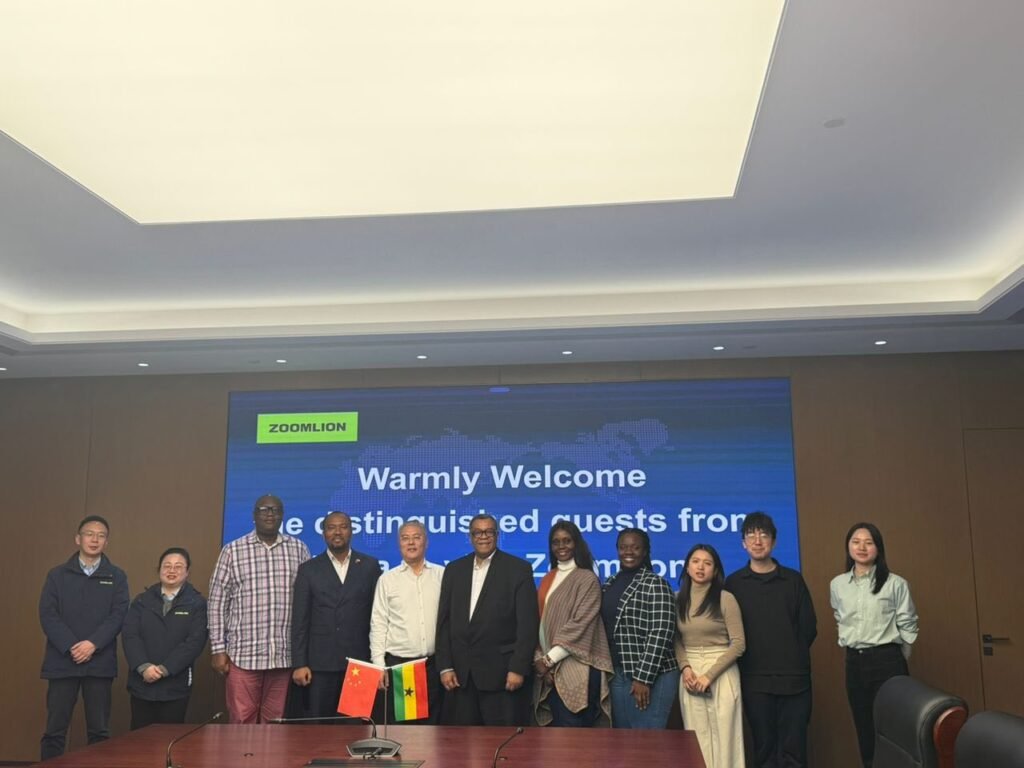
The Ghana Export Promotion Authority (GEPA) has significantly advanced the nation’s trade facilitation agenda following its high-level mission to China led by the 24-Hour Economy Programme, moving beyond diplomatic overtures toward the establishment of structured commercial partnerships.
By aligning with the 24-Hour Economy framework, GEPA aims to ensure that Ghanaian factories can operate at peak capacity to meet the growing demand for Non-Traditional Exports (NTEs) in the Chinese market.
According to the Deputy Chief Executive Officer (DCEO) in charge of Admin and Operations, Mr. Ambrose Edwin Nsarkoh, the mission focused on reducing logistics bottlenecks and securing direct market access for Ghanaian producers.
“A cornerstone of the mission was the signing of a Memorandum of Understanding (MoU) between the Ghana Investment Promotion Centre (GIPC) and the China-Africa Economic and Trade Promotion Council.
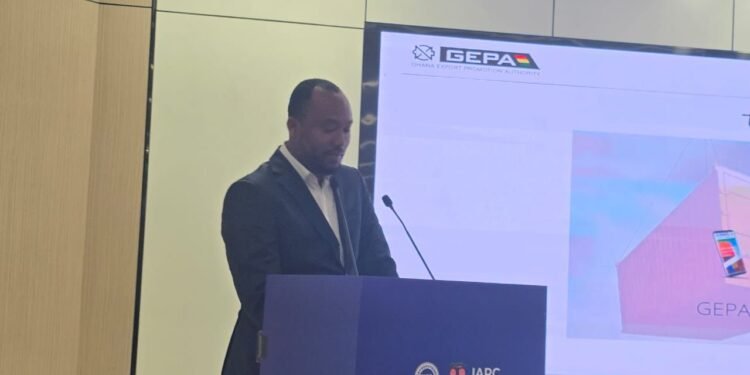
“During the ceremony, GEPA delivered a comprehensive pitch to Chinese investors, outlining the immense potential of Ghana’s priority value chains”
Ghana Export Promotion Authority
The presentation focused on the “gateway” status of Ghana, suggesting that Chinese enterprises could leverage Ghana’s infrastructure and the African Continental Free Trade Area (AfCFTA) to reach a broader regional market while sourcing high-quality Ghanaian inputs.
“By integrating the objectives of the 24-Hour Economy Programme with our export agenda, we are positioning Ghana as a reliable trading partner. We are not just looking for buyers; we are seeking long-term commercial partnerships that will anchor our industrial growth and enhance the competitiveness of our products on the global stage”
Mr. Ambrose Edwin Nsarkoh, DCEO of GEPA
Non-Traditional Export Pathways
Mr. Nsarkoh noted that the 24-Hour Economy Programme serves as the backbone of this trade expansion, providing the necessary domestic productivity to sustain large-scale international orders.
He emphasized that for Ghana to transition into an export-led economy, its industries must shift toward continuous production. This model is particularly relevant for sectors such as “processed cocoa, cashew, horticultural products, and handicrafts,” – categories that have shown resilient growth in recent trade cycles.


By optimizing the policy environment to support a 24-hour cycle, the government is effectively reducing the unit cost of production for exporters.
GEPA’s delegation also shared technical insights with Chinese counterparts regarding Ghana’s institutional support mechanisms. These include initiatives aimed at harmonizing standards, improving traceability in the supply chain, and enhancing the quality of “Made in Ghana,” brands to meet stringent international regulatory requirements.
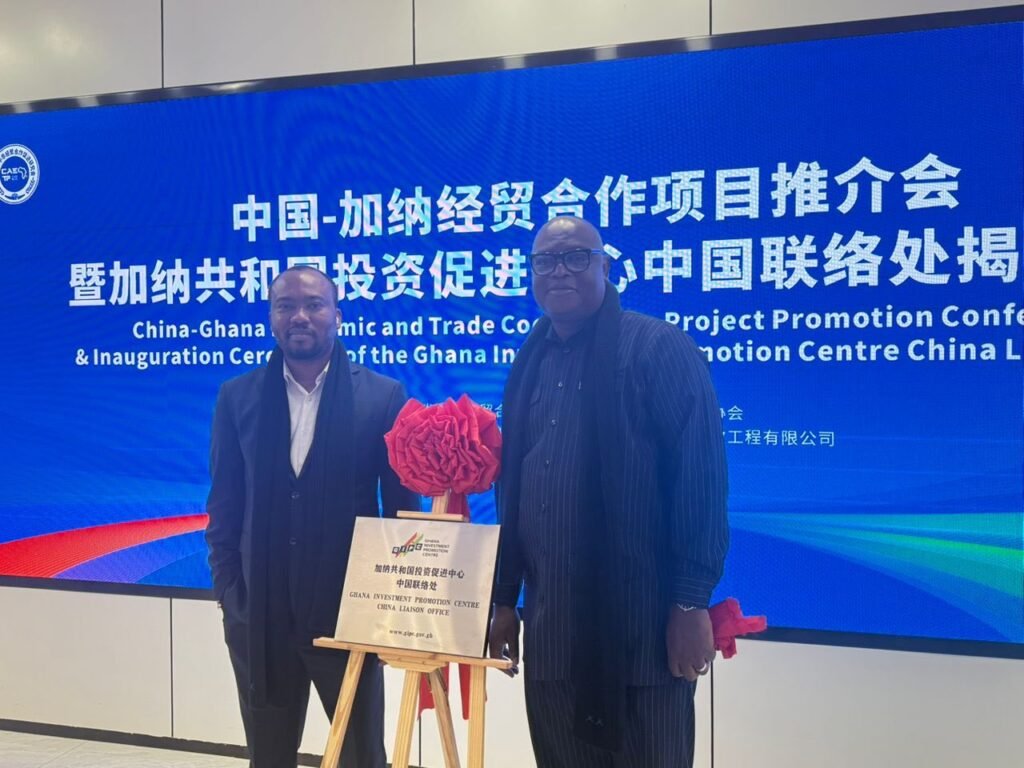
“A reliable supply chain is the prerequisite for any meaningful trade agreement with a global power like China. This mission has allowed us to clear the path for our exporters, ensuring that their goods move through the ports with maximum efficiency and minimal barriers”
Mr. Ambrose Edwin Nsarkoh, DCEO of GEPA
West Africa’s Export Hub
Beyond bilateral trade, the GEPA mission sought to showcase Ghana as the primary logistics and trade hub for the West African sub-region.
By attracting Chinese investment into value-chain integration, Ghana aims to convert its raw materials into finished goods before they leave the continent. This strategy is designed to reverse the trend of exporting wealth and importing poverty, a core theme of the current administration’s economic reset.
“Our role at GEPA is to act as the bridge between local production and global opportunity. By participating in this delegation mission, we have reinforced the fact that Ghana is ready for large-scale, value-added trade”
Mr. Ambrose Edwin Nsarkoh, DCEO of GEPA
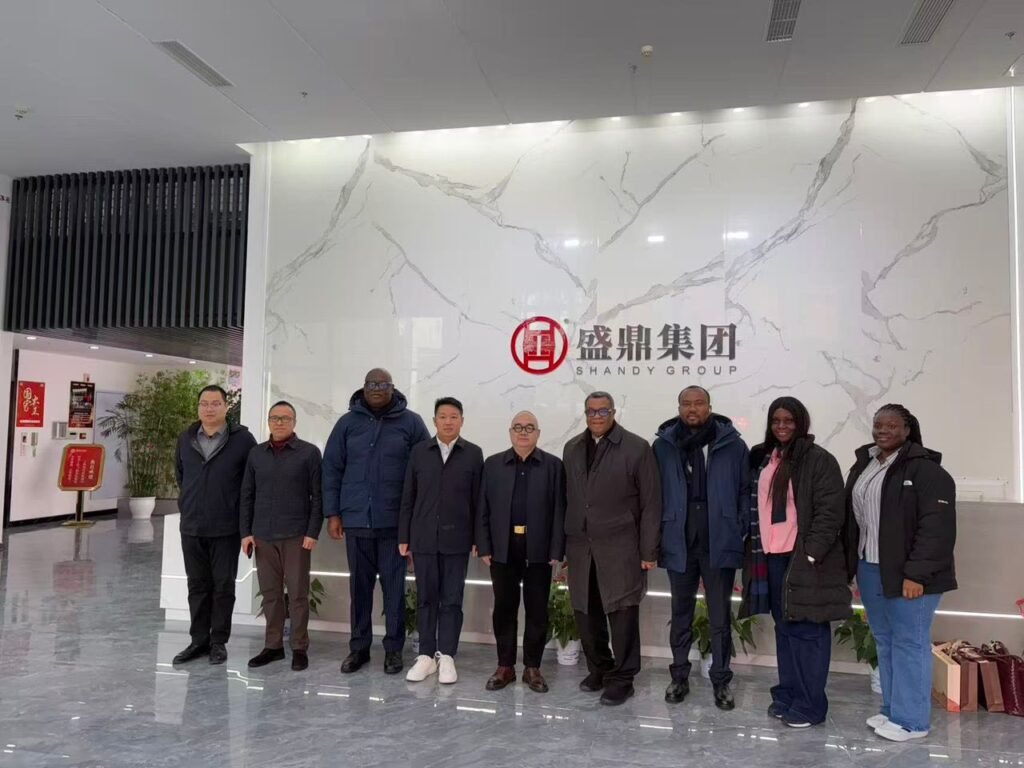
The mission concluded with a series of business-to-business (B2B) engagements, where Ghanaian exporters met directly with Chinese commodity buyers and industrial giants. These interactions are expected to translate into firm off-take agreements, providing Ghanaian SMEs with the capital and market certainty needed to scale their operations.
READ ALSO: ICE To Focus On Targeted Operations In Minneapolis