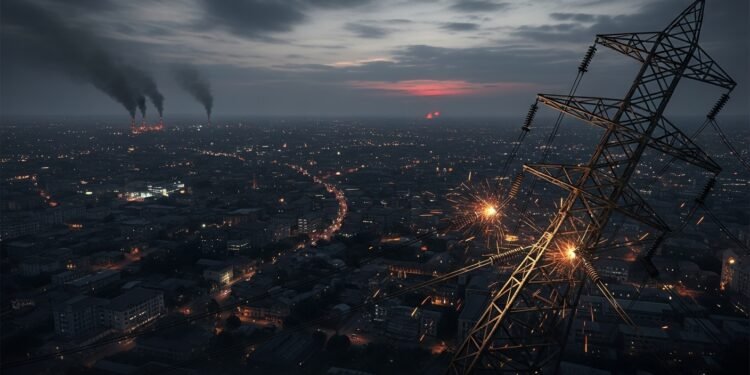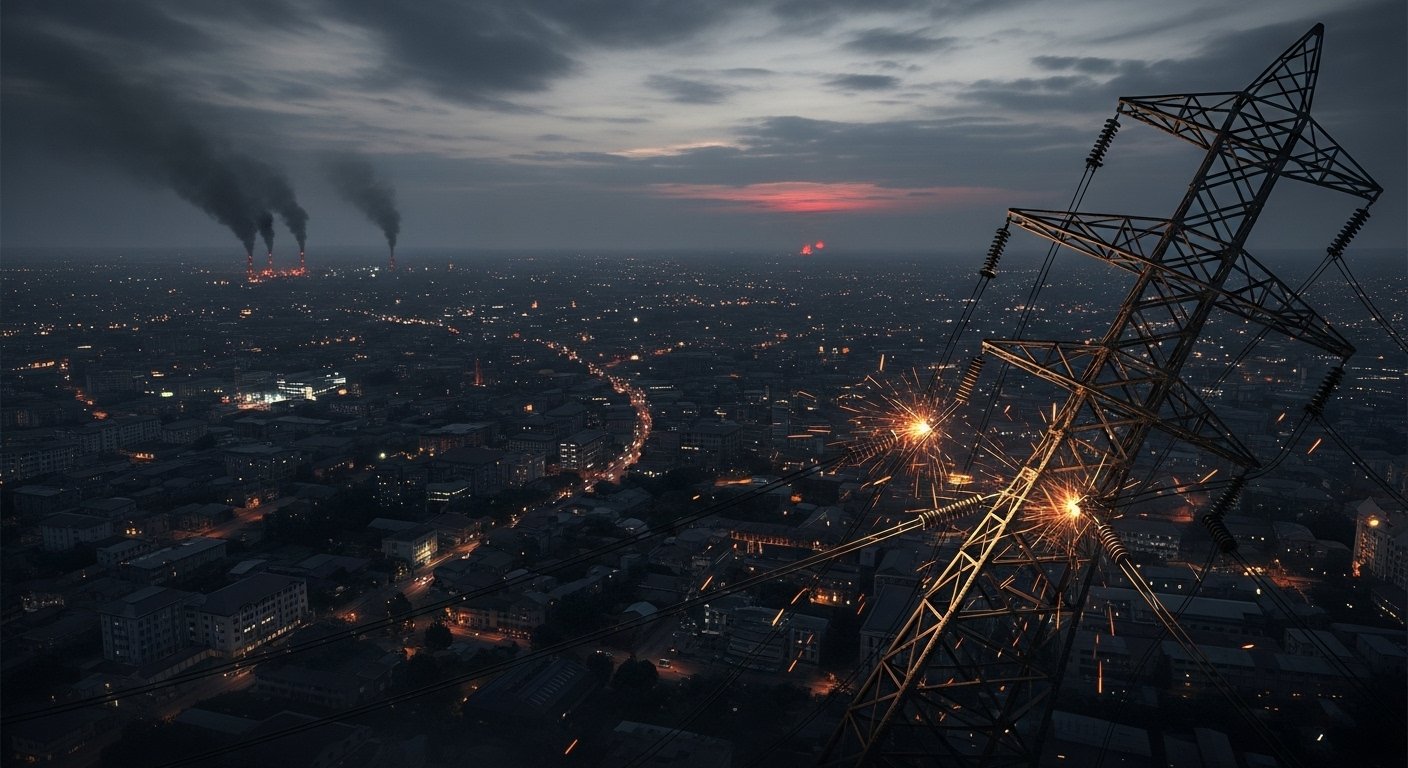
Despite trillions of naira poured into Nigeria’s electricity sector over the years, repeated national grid collapses in 2026 have once again exposed deep structural weaknesses in the country’s power system.
The latest failures have reignited debate among energy experts, system operators, and policy analysts, many of whom argue that funding alone cannot resolve Nigeria’s long-standing electricity challenges.
The fresh system disturbances this year revealed a growing consensus that the problem lies not just in insufficient capital, but in ageing infrastructure, weak operational discipline, and flawed market design.
A senior engineer at the Transmission Company of Nigeria (TCN), who requested anonymity, said much of the work being done is reactive rather than strategic.
“We talk about expansion, but in reality, a lot of what happens is emergency repair. You can’t keep stretching an old system and expect stability.”
A senior engineer at the Transmission Company of Nigeria (TCN)
At the heart of the crisis is Nigeria’s fragile transmission network, widely regarded as the weakest link in the electricity value chain. Several engineers working within the system describe a grid that is stretched far beyond its original design.
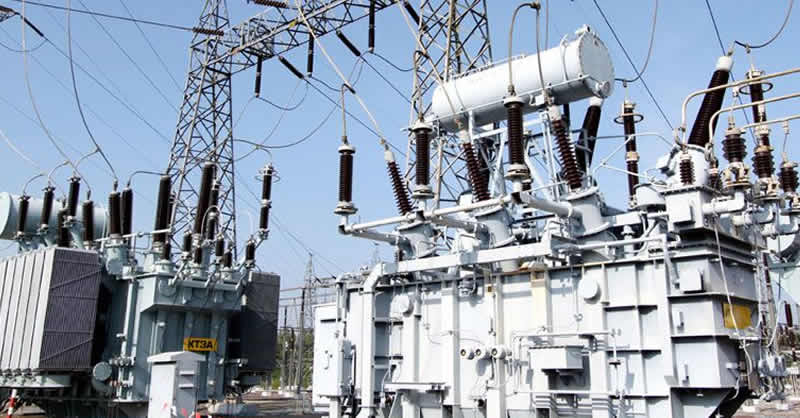
Investigations show that many of Nigeria’s 330kV and 132kV transmission lines are decades old and increasingly prone to failure. With limited redundancy built into the network, even minor disturbances can trigger widespread outages.


Lack of Redundancy Fuels System Collapses
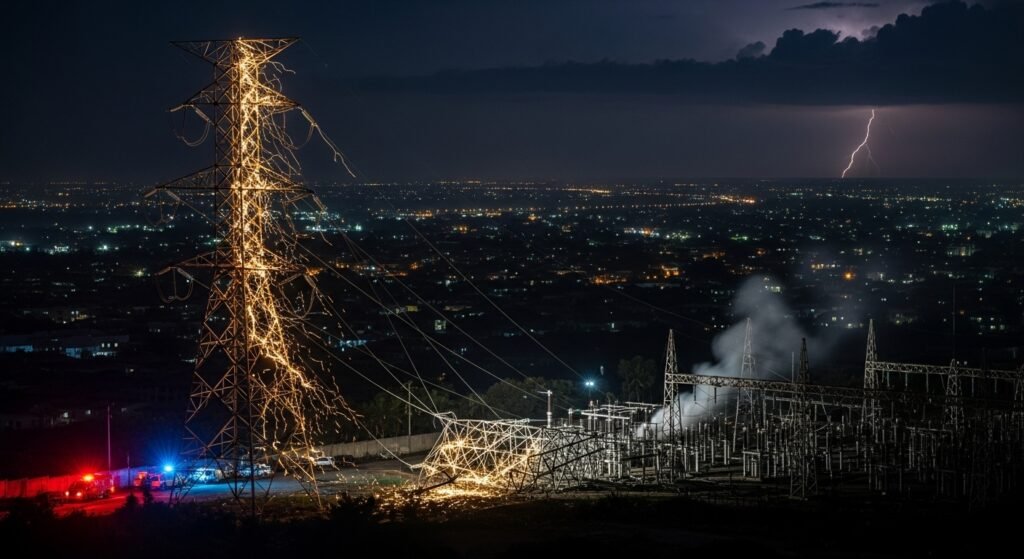
Engineers at generation companies echo similar concerns. According to an engineer at the Niger Delta Power Holding Company (NDPHC), the grid’s design leaves little room to absorb shocks.
“When there is a disturbance, there is little redundancy to absorb the shock. That’s why a fault in one part of the country can cascade and shut down the entire system.”
An engineer at the Niger Delta Power Holding Company (NDPHC)
He stressed that while funding remains critical, it cannot compensate for weak infrastructure and poor management.
“Funding is important, but it is not the silver bullet. You can inject all the money in the world, but if the grid is weak, poorly maintained, and badly managed, collapses will keep happening.”
An engineer at the Niger Delta Power Holding Company (NDPHC)
Over the past two years, the Federal Government has rolled out several large-scale financial interventions aimed at stabilising the electricity market, including liquidity support for market participants and investments in transmission upgrades.
Yet, despite these efforts, Nigeria recorded multiple national grid collapses in 2025, with at least two already occurring in early 2026.
These repeated failures have raised serious questions about how funds are being utilised and whether projects are delivering value for money.
Energy analyst Betty Onalapo has called for an independent forensic audit of the national grid to examine how investments have been spent and to identify systemic inefficiencies.
Experts argue that without transparency and accountability, Nigeria risks continuing a costly cycle of spending without achieving reliable power supply.
Calls for Radical Reform and Expert Oversight
Former Chairman of the Nigerian Electricity Regulatory Commission (NERC), Dr Sam Amadi, has been one of the strongest voices calling for fundamental reform. In an earlier interview, he described the system as structurally flawed.
“If I were to go back there, one of the things I would do is to be more brutal, radical. The system in Nigeria is designed not to perform.”
Dr Sam Amadi, Former Chairman of the Nigerian Electricity Regulatory Commission (NERC)
He believes that technical fixes alone will not solve the crisis and has advocated for the creation of a high-level Presidential Review Taskforce made up of experienced professionals. According to him, such a body should focus on both engineering and market realities.
“Electricity challenge is not just engineering; it’s about adaptive capacity and understanding of the market.
“The job of the taskforce will also be to look at the various aspects of electricity supply industry and recommend quick interventions.”
Dr Sam Amadi, Former Chairman of the Nigerian Electricity Regulatory Commission (NERC)
Market Uncertainty and Gas Supply Challenges

Beyond transmission issues, gas suppliers say lingering uncertainty around payment timelines and pricing continues to undermine long-term supply planning.
Although some outstanding arrears have been settled, suppliers warn that inconsistent policies discourage investment and threaten the stability of gas-fired generation, which dominates Nigeria’s power mix.
Analysts note that without a predictable commercial framework, generation capacity alone cannot guarantee reliable electricity supply.
Former Director-General of the Bureau of Public Service Reforms, Dr Joe Abah, has also questioned Nigeria’s reliance on a single, centralised national grid. He argues that decentralised or regional grids could reduce systemic risk and improve resilience.
“Why should the whole country go dark at the same time?” Abah asked in a post on X, formerly Twitter, highlighting the vulnerability of a system where a single fault can plunge the nation into darkness.
As electricity demand continues to rise, experts warn that Nigeria is approaching a critical juncture. Without transparent audits, structural reforms, and a shift from reactive fixes to long-term planning, the power sector may remain trapped in a cycle of instability.
Repeated grid failures, they argue, are clear evidence that money alone cannot fix a system plagued by weak governance, ageing infrastructure, and poor design.
READ ALSO: Relief in Sight as Akosombo Flood Resettlement Takes Shape