Ghana Gold Board (GoldBod) has recorded a historic milestone in the nation’s extractive sector, announcing the export of over 100 metric tonnes of gold from the Artisanal and Small-scale Mining (ASM) sector in 2025.
This unprecedented output generated more than $10 billion in revenue, marking a transformative shift in how Ghana manages its precious mineral resources.
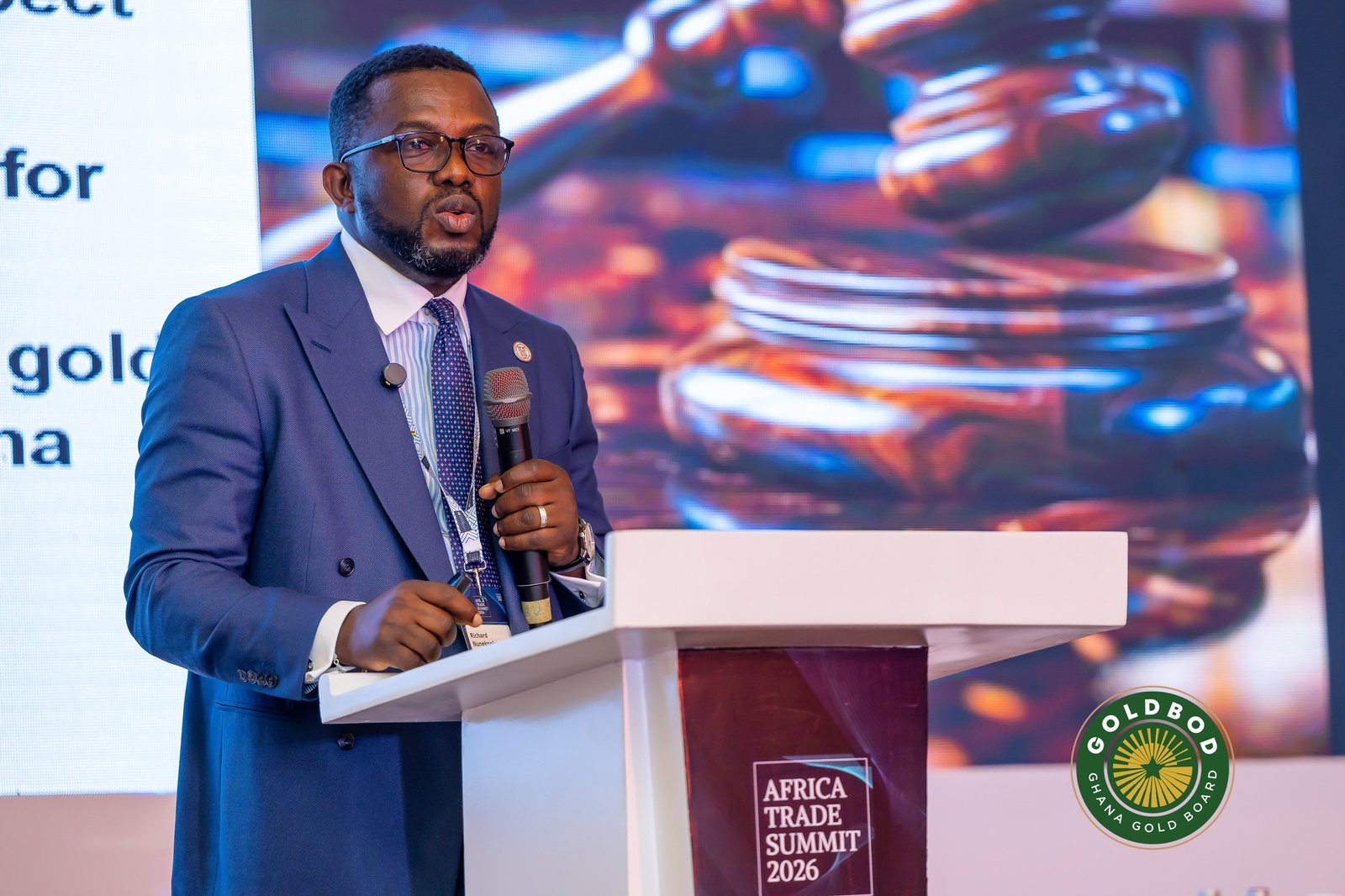
Speaking at the Africa Trade Summit 2026, Deputy Chief Executive Officer Richard Nunekpeku revealed that this performance has become a cornerstone for national economic resilience.
The surge in export volumes is largely attributed to rigorous formalization efforts and the implementation of a centralized trading model that has successfully integrated small-scale miners into the formal economy.
Beyond the fiscal windfall, the $10 billion influx has played a critical role in stabilizing the Cedi, improving the nation’s public debt position, and easing the cost of living for the average Ghanaian.
By tightening regulatory oversight and providing competitive pricing, GoldBod has effectively diverted gold flows from illicit channels into the state’s coffers, reinforcing Ghana’s status as Africa’s leading gold producer.


“In 2025, the Ghana Gold Board surpassed its small-scale gold export target of 100 tons, generating over $10 billion in foreign exchange for the country. This outcome underscores the viability of GoldBod’s mandate to sanitize and formalize gold trading while supporting the accumulation of national reserves.”
Ghana Gold Board
Local Refining and Value Retention Strategy
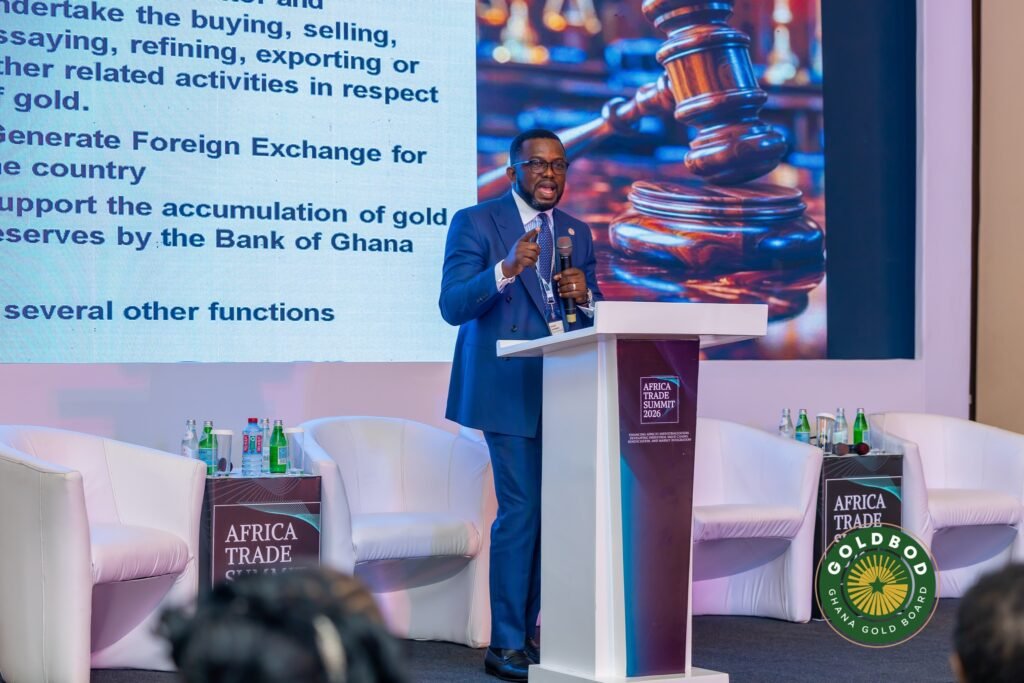
A pivotal component of GoldBod’s new architecture is the historic agreement to refine small-scale gold locally before it reaches the international market.
Richard Nunekpeku emphasized that the era of exporting raw “dore” gold is coming to an end, as the board moves to “retain refining value and reduce the losses historically associated with offshore processing.”
By utilizing domestic refineries, the state is set to capture millions of dollars in refining fees that were previously lost to foreign hubs in Dubai and Switzerland.
This shift is not merely about cost-cutting; it is a strategic maneuver to ensure that the “entire value chain remains anchored within our borders,” creating specialized jobs in metallurgy and refinery operations.
Downstream Industrialization and Jewelry Expansion
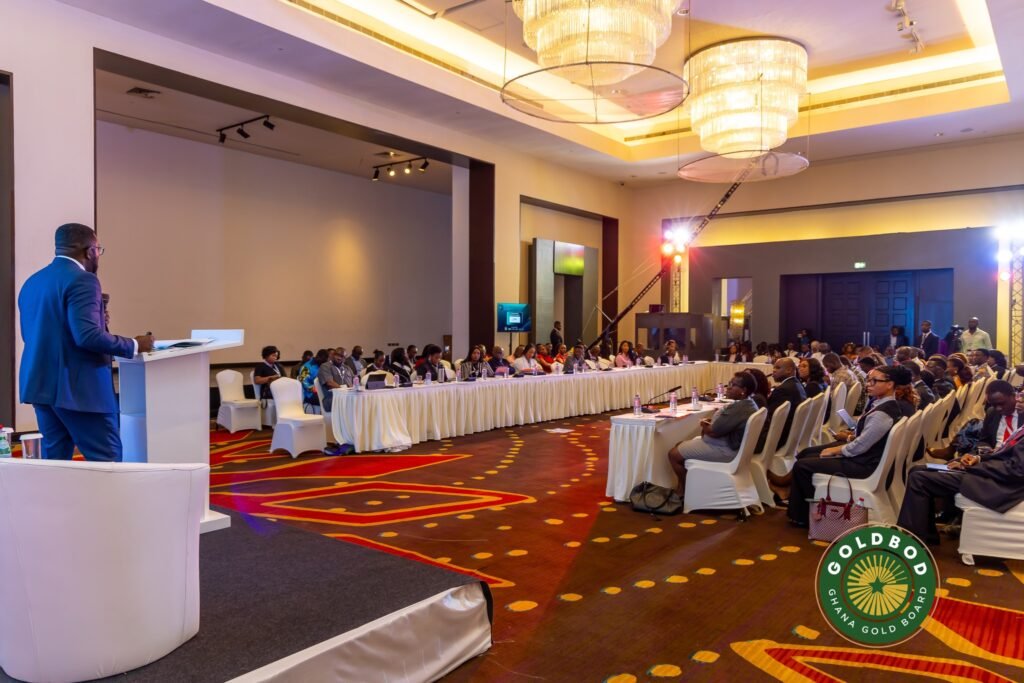
The Board’s vision for the sector extends deep into the downstream market through its subsidiary, GoldBod Jewellery.
Investment in local manufacturing is being scaled up to transform Ghanaian gold into high-end finished products, reducing the irony of the country being a top producer that heavily imports finished jewelry.
Nunekpeku highlighted that “the expansion of local jewelry manufacturing is about placing Ghanaian craftsmanship on the global stage,” while simultaneously boosting domestic consumption. This industrial drive is supported by the recent launch of a digital gold showroom and the retooling of local factories to meet international standards.
Sustainability, Traceability, and National Development

Central to GoldBod’s long-term mandate is the integration of sustainability and traceability into the ASM framework.
The Deputy CEO noted that responsible mining is defined by “how the mining is done, not just the final output,” signaling a move toward stricter environmental and ethical standards.
Through a pilot project involving 600 small-scale mines, GoldBod is ensuring that every gram of gold can be traced back to a sustainable source, a move that enhances the “reputation and integrity of Ghana’s gold” in a conscious global market.
Ultimately, these reforms are designed to ensure that the gold sector serves as a permanent engine for foreign exchange generation and lasting national development.
READ ALSO: GEPA’s China Mission Boosts Export Led Industrialization