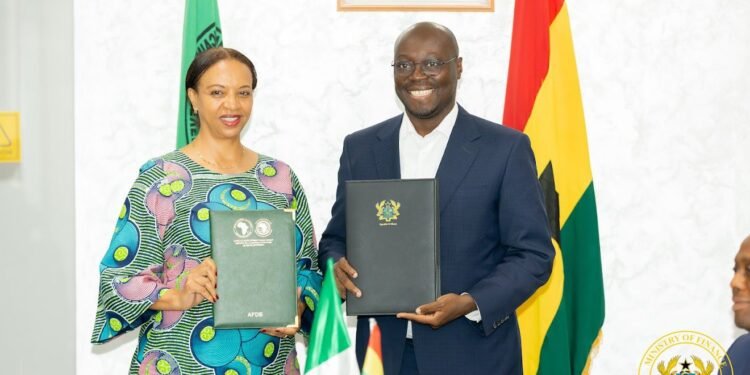
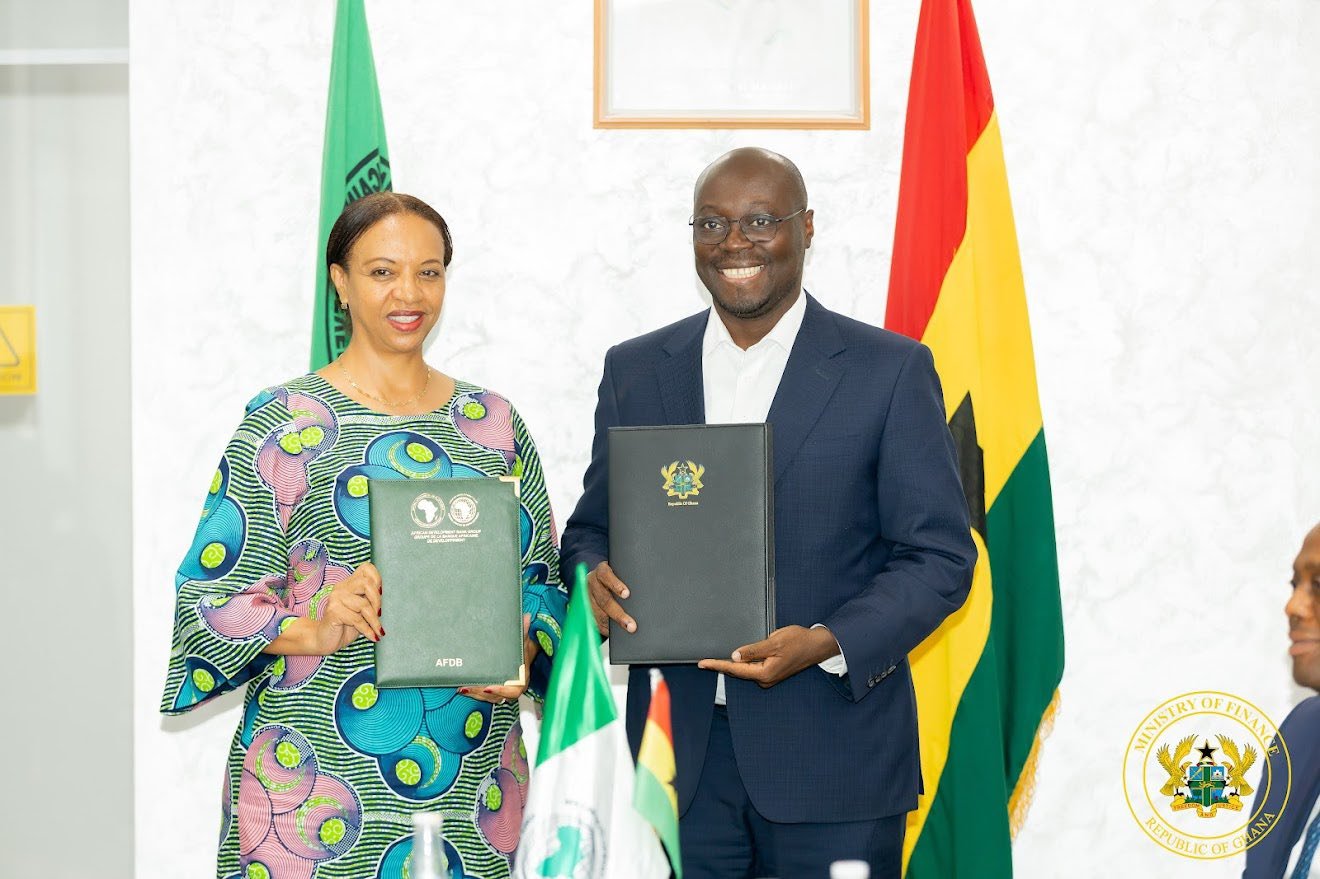
Ghana has secured a major boost for its flagship infrastructure drive after the Minister for Finance, Dr Cassiel Ato Forson, signed a grant agreement worth 12.83 million United States dollars with the African Development Bank to fund feasibility studies for selected priority projects under the government’s Big Push programme.
The agreement marks a critical preparatory step toward accelerating large scale infrastructure delivery aimed at supporting economic growth, market efficiency, and agro-industrial transformation.
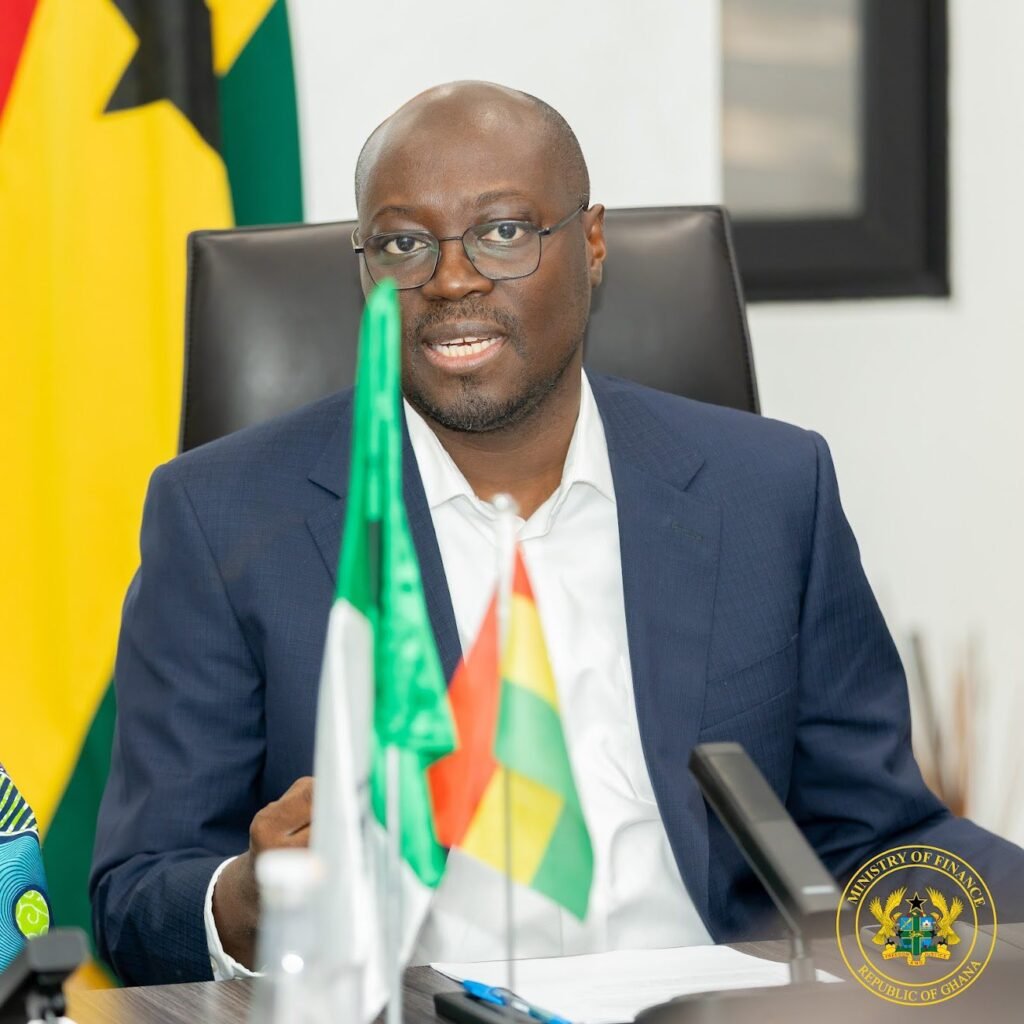
In a statement following the signing, Dr Forson explained that the grant would finance detailed feasibility studies for a range of projects that have been identified as strategic to national development.
According to him, the studies will include full technical designs, detailed cost estimates, and comprehensive environmental and social impact assessments to ensure that each project is fully prepared for construction.
He stressed that the focus on rigorous preparation reflects the government’s determination to avoid delays and cost overruns that have affected major public projects in the past.
Interchange at 37 Military Hospital
One of the projects earmarked under the agreement is a proposed interchange at the 37 Military Hospital in Accra, a location that remains one of the most congested traffic nodes in the capital.


The interchange is expected to ease persistent traffic bottlenecks around the hospital enclave, improve road safety, and enhance access to surrounding residential, commercial, and health facilities. Officials believe that once completed, the project will significantly reduce travel time along one of Accra’s busiest corridors.
The grant will also support feasibility studies for the redevelopment of key markets across the country, including Agbogbloshie in Accra, Techiman in the Bono East Region, Sekondi in the Western Region, and Mankessim in the Central Region.
These markets play a central role in domestic trade and food distribution, yet many have suffered from overcrowding, poor sanitation, fire risks, and inadequate infrastructure.
The proposed redevelopment is intended to modernise trading spaces, improve safety and hygiene conditions, and enhance the livelihoods of traders who depend on these commercial hubs for survival.
Dr Forson noted that careful planning is essential to ensure that the redevelopment of these markets responds to the needs of traders and local authorities while preserving their economic importance.

He said the feasibility studies will help determine appropriate layouts, infrastructure requirements, and financing models that can sustain the projects over the long term.
Special Agro Industrial Processing Zones
Another major component of the grant will go toward feasibility studies for Special Agro Industrial Processing Zones in the Afram Plains, Nsawam, and Builsa. These zones form part of a broader strategy to shift Ghana away from the export of raw agricultural produce toward value addition and agro based industrialisation.
The zones are expected to support agro processing, create jobs, reduce post-harvest losses, and strengthen linkages between farmers and industrial markets.
According to the Finance Minister, the feasibility studies will assess technical, economic, and environmental considerations to ensure that the agro industrial zones are viable and aligned with local development priorities.
He indicated that the aim is to position these zones as catalysts for inclusive growth, particularly in areas with strong agricultural potential but limited industrial infrastructure.
Dr Forson expressed appreciation to the African Development Bank for its continued partnership with Ghana, describing the institution as a reliable ally in the country’s development efforts.
He also commended the Bank’s Country Manager, Eyerusalem Fasika, for her role in strengthening cooperation between Ghana and the AfDB. He said the grant demonstrates confidence in the government’s development agenda and its commitment to disciplined project preparation.
The Finance Minister emphasised that the government is keen to complete the feasibility studies within a short timeframe so that construction can commence as soon as possible.
He explained that early completion of the studies will allow the government to mobilise additional financing, including private sector participation where appropriate, and to integrate the projects into the medium-term investment framework.

The Big Push programme remains a central pillar of the government’s economic strategy, focusing on the delivery of transformative infrastructure to unlock productivity and improve living standards. By prioritising feasibility studies and project readiness, the government hopes to set a new standard for infrastructure planning and execution in Ghana.
The grant agreement is a positive signal for investors and development partners, indicating that Ghana is committed to transparent planning and sustainable development practices.
If successfully implemented, the projects supported by the grant are expected to improve urban mobility, modernise market infrastructure, and drive agro industrial growth, reinforcing the broader objectives of economic resilience and inclusive development.
READ ALSO: Ghana Champions Regional Value Chains to Industrialize Africa