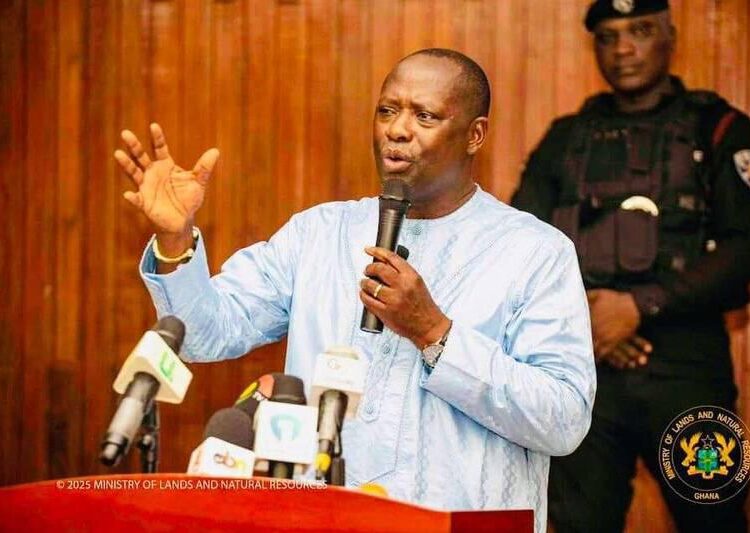
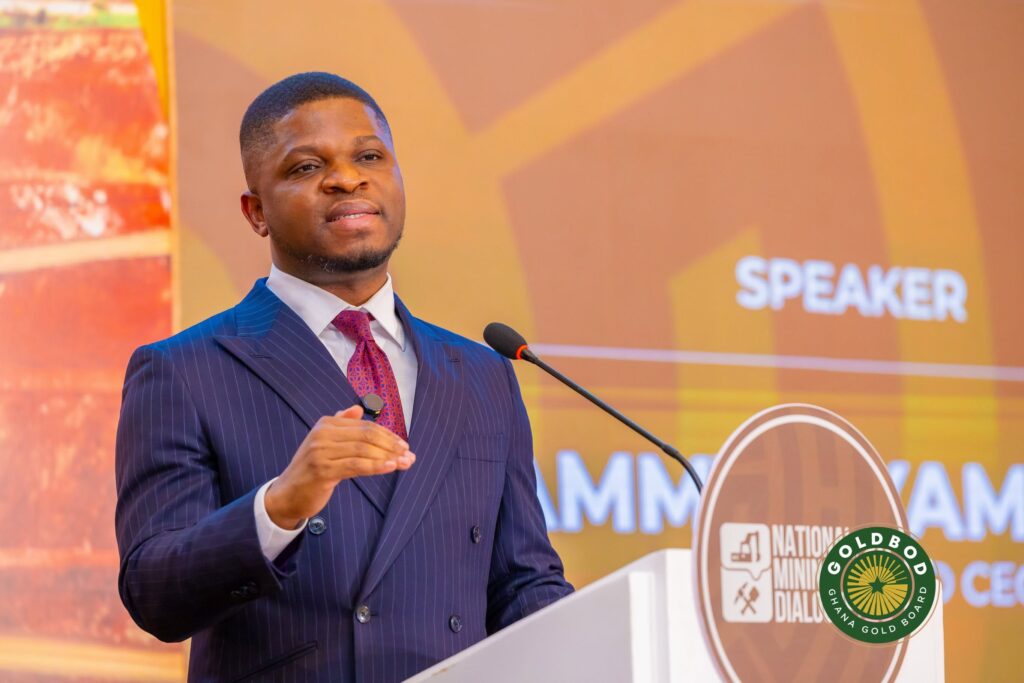
The Ministry of Lands and Natural Resources has affirmed its productive inter-agency collaboration with the Ghana Gold Board (GoldBod), reaffirming an unwavering commitment to national mineral governance despite recent public speculation regarding high-profile resignations within the sector.
Beginning its declaration with an emphasis on Institutional synergy, the official release issued by the Communications Directorate clarifies that operational harmony continues to define the relationship between state regulatory agencies and the gold management body.
Through joint programs spanning multiple forestry and geological departments, the Ministry emphasized that administrative processes and field operations remain fully aligned with established regulatory frameworks.
“The ministry enjoys a good working relationship with GoldBod. The Ghana Geological Survey Authority (GGSA) has signed a Memorandum of Understanding (MoU) with GoldBod to intensify exploration of mining activities. The Responsible Corporative Mining (rOMSDEP) is equally working with the Godbod on responsible mining.”
Ministry of Lands and Natural Resources
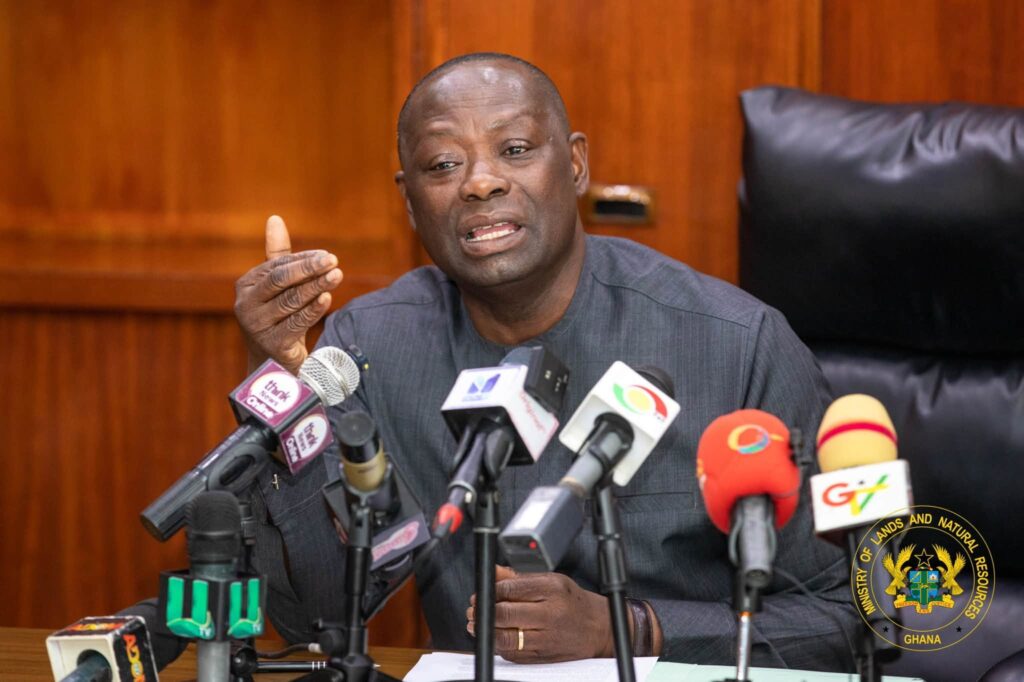
Expanding on this position, state sector authorities noted that multi-departmental engagements have been structured to streamline regulatory oversight, support resource tracking, and enhance environmental compliance across active mining concessions.
The institutional cooperation involves technical data sharing and operational logistical backing aimed at safeguarding public interests and protecting the national treasury.
Officials maintained that joint administrative tasks are progressing uninterrupted, ensuring that policy implementation, environmental protection strategies, and field operations continue seamlessly alongside ongoing governance programs.
Technical Synergies and Structural Alignments
Cross-institutional partnerships are serving as the operational backbone for modernizing Ghana’s extractive framework and maintaining sustainable field operations.
As part of these institutional arrangements, GoldBod is actively working with the Forestry Commission (FC) on land reclamation projects designed to restore degraded mining concessions. Furthermore, GoldBod has bolstered field monitoring mechanisms by supporting the National
Alternative Employment and Integrated Mine Site Oversight Scheme (NAIMOS) with operational vehicles to enhance mobility and site inspection capabilities.
Through these structural frameworks, resource administration moves beyond high-level policy formulation into tangible enforcement and ecological management.
The integration of geological mapping from the GGSA alongside physical site surveillance by NAIMOS creates a unified oversight network. Industry stakeholders note that such operational harmony prevents regulatory gaps, ensures environmental accountability, and stabilizes small-scale and large-scale mining operations across key mineral districts.
Policy Commitment and National Value Retention
Lands and Natural Resources Minister, Hon. Emmanuel Armah-Kofi Buah, remains fully committed to the central government’s strategic agenda of fortifying Ghana’s precious minerals industry.
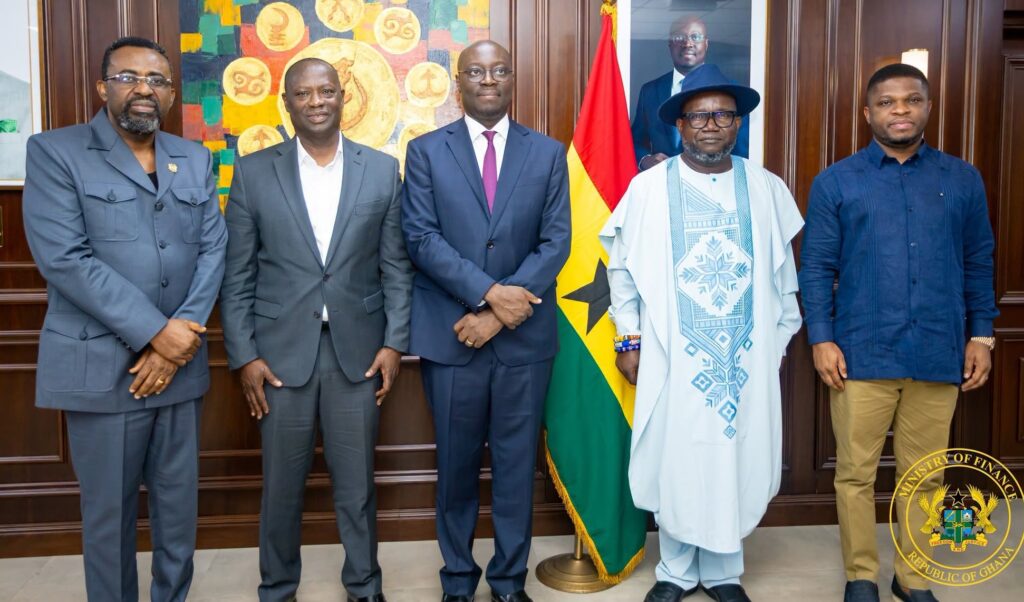
The overarching sector agenda focuses on increasing local value retention, promoting sustainable extraction standards, and guaranteeing that national mineral assets generate meaningful contributions toward socio-economic development.
By maintaining tight regulatory control, the Ministry aims to ensure that raw gold revenues translate directly into broader domestic economic opportunities and long-term infrastructural growth.
Value retention within the domestic economy requires rigorous supervisory mechanisms and seamless coordination between government ministries and regulatory boards.
The current policy directive prioritizes direct local processing, transparent trading routes, and ethical supply chain auditing to maximize yield retention for local mining communities.
Sector analysts emphasize that consistent executive oversight protects state revenue while instilling international market confidence in Ghana’s refined bullion export channels.
Institutional Communications and Extractive Governance
In light of ongoing public discussions and media commentary regarding governance shifts, the Ministry has advised citizens and industry participants to verify information through sanctioned institutional avenues.
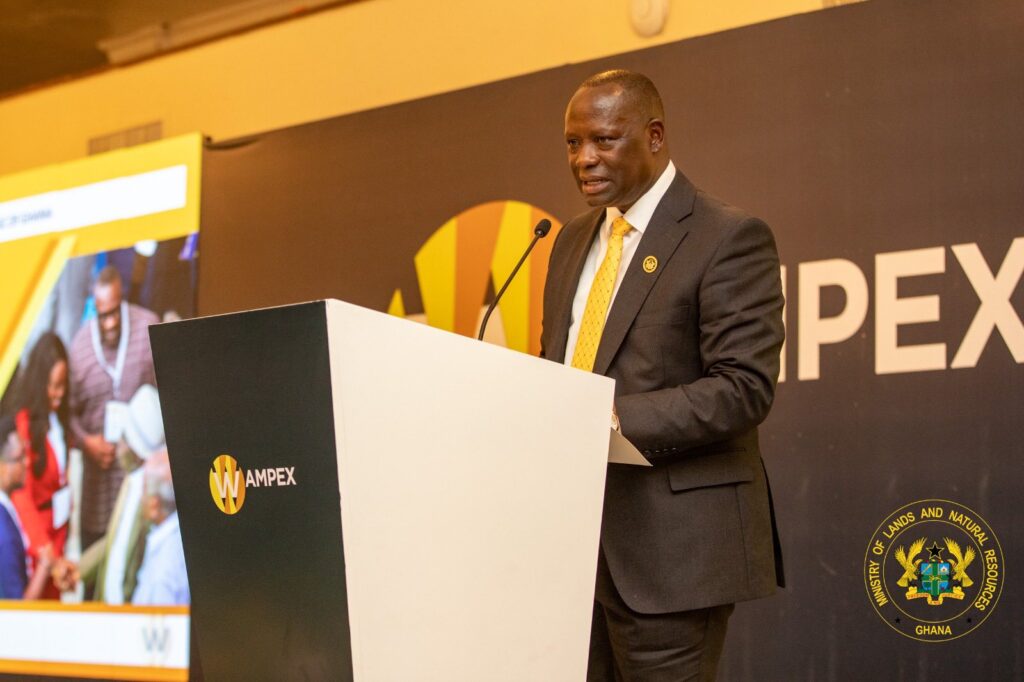
Signed by Zambaga Rufai Saminu of the Communications Directorate at the Ministry of Lands and Natural Resources in Accra, the statement encourages media practitioners and the public to rely strictly on official releases from the Ministry and the Ghana Gold Board regarding GoldBod operations.
Maintaining clear communication protocols remains vital for preserving investor confidence and protecting market stability within the extractive domain.
Misinformation regarding executive governance can create market volatility, disrupt investment flows, and hamper ongoing field regulation.
By re-anchoring public discourse on verified corporate initiatives, the sector leadership reinforces transparency, accountability, and stable institutional governance across the country’s extractive landscape.
READ ALSO: MCC Reopens Ghana Compact Talks as Energy Returns to Agenda