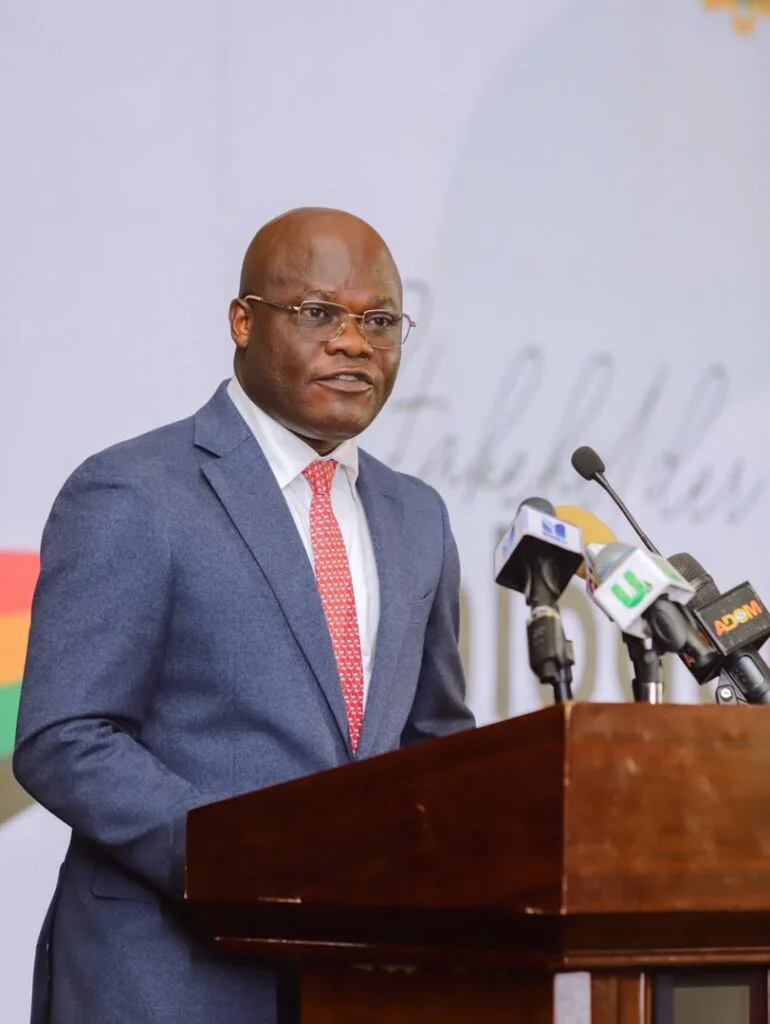
Minister for Works, Housing and Water Resources, Ahmed Ibrahim has called for the establishment of a National Housing Fund and the introduction of a National Housing Levy, arguing that stronger financing measures are needed to address Ghana’s growing housing deficit.
He made the call during a working visit to the State Housing Company Limited, where he urged politicians and the public to support the proposals.
The minister questioned whether the country’s current housing delivery targets could meaningfully reduce the deficit, citing the 2020 Population and Housing Census estimate of 1.8 million housing units. He contrasted that figure with a target of 3,000 affordable housing units by 2021 and argued that a dedicated funding mechanism was necessary to increase delivery.
“That is why I consistently am calling for a national housing fund and a national housing levy scheme.”
Minister for Works, Housing and Water Resources, Ahmed Ibrahim
Mr Ibrahim expressed concern that the scale of planned housing delivery was not keeping pace with the size of the national deficit. Referring to the projection of 3,000 housing units by 2021, he compared it with the reported deficit of 1.8 million units recorded after the 2020 census.

He argued that, even if the deficit remained at the 2020 level, delivering only 3,000 units would make little difference to the overall shortfall. The deficit, he stressed, would remain around 1.8 million units, leaving the country without a meaningful reduction in the gap.
Minister Calls for Dedicated Housing Financing
The minister also noted that the deficit would continue to grow as people married, children were born and the population increased. He therefore cautioned against treating the housing challenge as a static problem, pointing out that the 2020 figure was a baseline that could rise without sustained construction.
“People are married, children are being born, population is increasing,” he stated, emphasising the pressure that demographic growth places on housing demand.
Mr Ibrahim reiterated his call for a National Housing Fund and a National Housing Levy, presenting them as measures that could help provide the resources required to expand housing delivery.
He urged political leaders and the public to support the proposals rather than continue with the existing approach without addressing the scale of the deficit.
He added that if nothing changed, public discussions should acknowledge the reality rather than create the impression that progress was being made against the housing shortfall.
Ghana Needs 179,000 Housing Units Annually
The minister’s appeal places emphasis on financing as a central issue in efforts to provide more homes. He urged all stakeholders to support the proposals. His remarks at the State Housing Company Limited focused on the gap between the number of units needed and the scale of delivery being projected.
Mr Ibrahim cited an estimate that Ghana would need to deliver about 179,000 housing units each year to close the deficit. He contrasted this annual requirement with the projection of 3,000 units over four years, arguing that the numbers showed the scale of the challenge facing the country.
He also referred to Kenya, where, according to his account, the president had been told the country was building 200,000 housing units annually. The comparison was used to underline the difference between the level of construction required and Ghana’s stated target.
Minister Points to Earlier Housing Development
Mr Ibrahim called for Ghana to revisit the collaborative housing development approach pursued by earlier leaders, arguing that the country’s housing landscape had been shaped by planned estates and developments established in previous decades.
He asked the audience to imagine Ghana without estates such as Achimota and Kaneshie, referring to them as examples of developments that had contributed to the country’s urban growth. His remarks underscored the importance he attached to coordinated housing development in meeting demand.
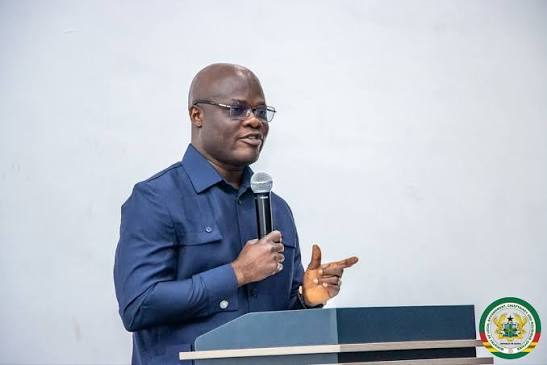
The minister’s comments linked the proposed National Housing Fund and Levy to a broader question about how Ghana finances and delivers homes. With the deficit already estimated at 1.8 million units in 2020, he argued that modest targets would not be enough to close the gap, particularly as the population continues to grow.
His appeal to politicians and the public was therefore for support for the proposed financing measures, which he believes could help expand housing delivery and create employment opportunities for young people. The call places the housing deficit back at the centre of the debate over national development and the need for a sustained response.
READ MORE: Pentecost VC Calls for Investment in Africa’s Youth Skills