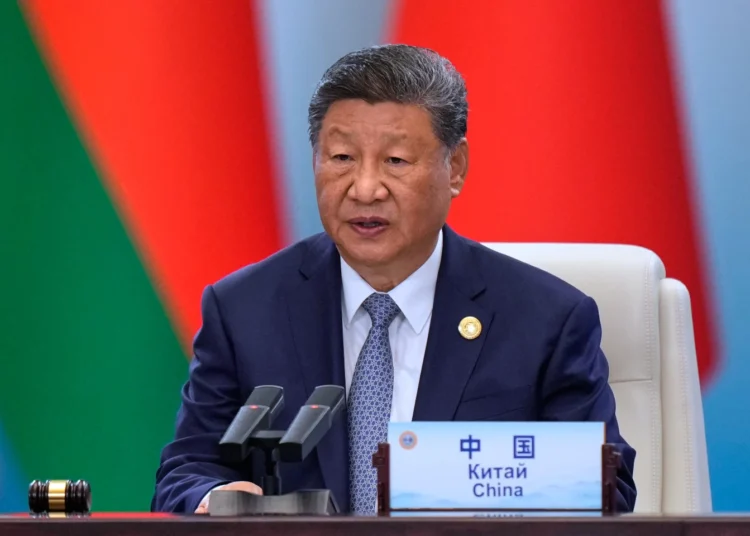
The Chinese Communist Party’s Central Committee have begun a four-day meeting to discuss strengthening discipline within the ruling Communist Party, as President Xi Jinping intensifies his anticorruption campaign and demands greater loyalty from government officials.
The fifth plenum, which began today, is also drawing attention for potential signals about China’s political direction and future leadership. The closed-door gathering comes roughly a year before Xi is widely expected to secure a fourth five-year term as party leader, ahead of anticipated personnel changes within key leadership bodies.
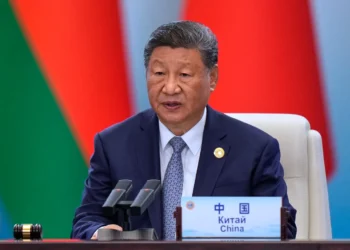
According to China’s official news agency, Xi opened the meeting by delivering a work report and addressing a draft policy decision on advancing “full and rigorous party self-governance.” The proposed policy seeks to make party cadres more disciplined, effective and less corrupt.
Approximately 300 members of the Communist Party’s Central Committee are attending the meeting.
Although Xi has consolidated his grip on power, analysts say the plenum offers another opportunity to ensure that officials’ actions align with Beijing’s priorities. Previous plenums have helped the Chinese leader strengthen his authority and reinforce his political agenda.
Xi Targets Officials Accused Of Disloyalty
Xi has led a 14-year anticorruption campaign that has resulted in the removal of thousands of officials, including dozens of Central Committee members.
Despite the extensive purges, the Chinese leader has continued to express frustration with officials whom he accuses of failing to implement his directives effectively.
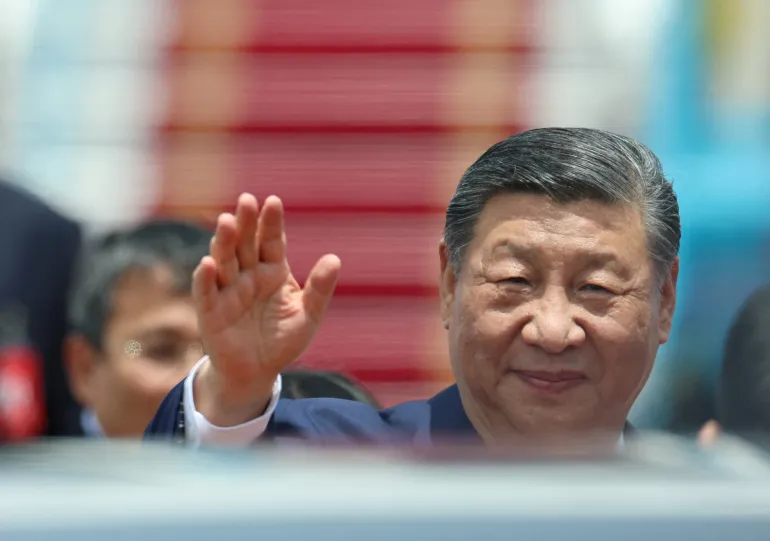
In a January speech published by state media ahead of this week’s meeting, Xi criticised what he described as “two-faced” officials who publicly appear to comply with party instructions while privately resisting them.
He accused such officials of being “politically opportunistic” and pursuing “individualism,” reinforcing his demand for consistency between public declarations of loyalty and actual conduct.
“During leadership transitions, we must keep our eyes sharp, elevate good cadres who are truly loyal and reliable, consistent in word and deed, and willing to take responsibility, and never allow ‘two-faced people’ or those driven by self-interest to slip through.”
Xi Jinping
The remarks emphasize the importance Xi places on political loyalty as China approaches another leadership transition.
The draft policy on “full and rigorous party self-governance” is expected to formalise further efforts to strengthen internal discipline and reduce corruption. The discussions also provide Xi with an opportunity to reinforce expectations for officials across the party’s extensive administrative structure.
Anticorruption Purges Raise Questions Over Attendance
The scale of Xi’s campaign is expected to be reflected in the number of officials attending the plenum.

This year’s meeting is expected to record the lowest turnout since former Chinese leader Mao Zedong died in 1976, largely because of Xi’s extensive purges.
Observers are watching the number of vacant seats in the conference hall as an indication of how far the investigations and removals have reached within the party’s senior ranks.
Eight Central Committee seats are vacant, while another 15 members are under investigation and face the possibility of replacement.
The developments show the continuing effects of Xi’s campaign on the party’s leadership structure. They also raise questions about how the Communist Party will manage personnel changes while maintaining political stability and enforcing discipline.
The anticorruption drive has extended beyond civilian officials to the military, where five of the seven members of the Central Military Commission (CMC), the party’s highest military leadership body, have been toppled.
The plenum could result in the appointment of new CMC members. Xi may also consider changes to the party’s control over the armed forces, although the outcome of those discussions remains uncertain.
Any changes to the commission would be closely watched for indications of how Xi intends to manage military leadership and reinforce the party’s authority over China’s armed forces.
Economic Pressures Add To Leadership Challenges
The political discussions are taking place as China faces persistent economic challenges, including sluggish domestic spending and a prolonged crisis in the property sector.
Turbulent economic and political relations with the United States are also weighing on Beijing’s leadership, adding to the challenges confronting the world’s second-largest economy.
As such, the fifth plenum provides Xi with an opportunity to consolidate his political position while addressing concerns about the performance and reliability of officials responsible for implementing government policies.
The meeting is also being closely scrutinised for signs of potential changes to senior leadership positions ahead of the next major party leadership transition.
Xi removed presidential term limits in 2018, a move that cleared the way for him to remain in the presidency beyond the previous two-term limit. He is widely regarded by some observers as China’s most powerful leader since Mao Zedong.
He is expected to be confirmed as Communist Party leader for another term in the autumn of 2027.
The fifth plenum’s discussions on party discipline, military leadership and governance therefore carry implications beyond the immediate anticorruption campaign. They could offer clues about how Xi intends to shape the party’s leadership and priorities as he prepares for a potential fourth term.
READ ALSO: Bulgaria Votes As Russia-Ukraine War Dominates Presidential Race