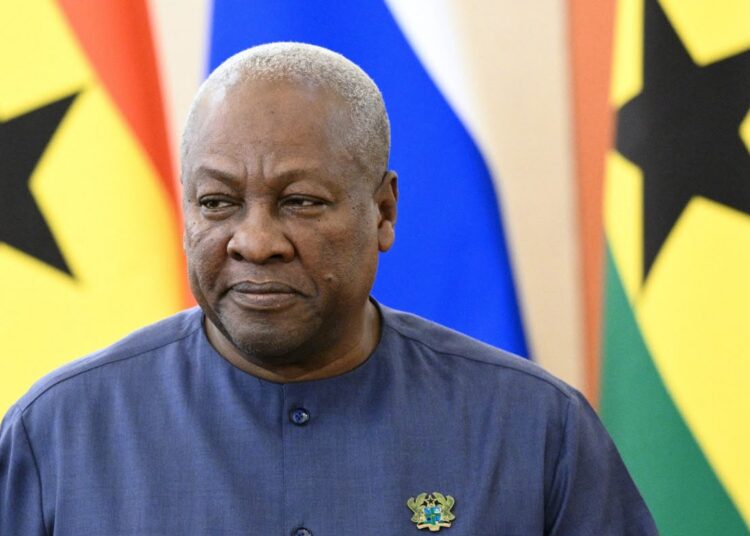
President John Dramani Mahama has defended the fines under TraffiTech-GH, Ghana’s new automated traffic enforcement system, and told motorists who find them too costly to stop speeding.
He spoke to a journalist on the margins of the Commonwealth Heads of Government Meeting (CHOGM) in St. John’s, Antigua and Barbuda, after the system went live with full implementation on November 1, 2026.
He rejected calls to fix the roads before introducing cameras, arguing that Britain enforces speed limits on imperfect roads, and he urged the police to post signs showing where cameras operate.
The Ghana Police Service Motor Traffic and Transport Department (MTTD) runs the system under Regulation 242 of the Road Traffic Regulations (L.I. 2519) to curb crashes, deaths and dangerous driving.
“Well, if it’s too expensive, then don’t overspeed. That’s all.”
President John Dramani Mahama
Mahama Answers the Cost Complaints
The journalist pressed President Mahama on critics who call the fines too expensive. He offered a simple remedy. “There’s a solution to it,” he told the interviewer, and he pointed to the urban limit. “The maximum speed in town is 50,” he stated. A driver who keeps to that limit, he added, “doesn’t have to pay anything.”
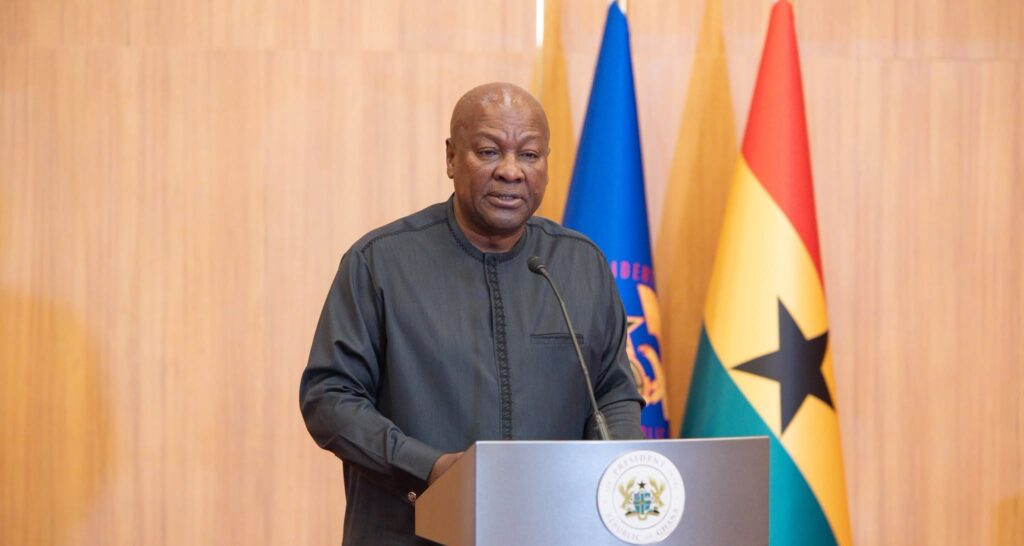
His argument rests on child safety. He noted that many children are knocked down on Ghanaian roads, and he named jumping red lights and wrong parking among the dangers. Those two offences are not yet automated, since the system currently enforces speed limits only, while police monitor other violations manually.
Some critics insist that the state should repair roads before it installs cameras. President Mahama dismissed that sequence. “The roads are not perfect in the UK, and yet they have speed cameras,” he argued. He maintained that enforcement and road improvement can proceed together, and he did not accept that poor surfaces excuse speeding.
The concern is not new. Lawmakers and commentators have raised road safety preparedness concerns in recent days, and the President’s remarks answer them directly.
Mahama Wants Warning Signs at Every Camera
The President attached a condition to his support. He told the police and the teams running the system to mark camera locations clearly. “You need to put up, you know, a signpost warning motorists that there’s a speed camera here,” he stated.
“I think that transparency is important.”
President John Dramani Mahama
Signs would help drivers slow down before a hazard rather than after a ticket. They would also strengthen public trust in a programme that has already drawn attention, including 70,000 speeding cases recorded in its first days.
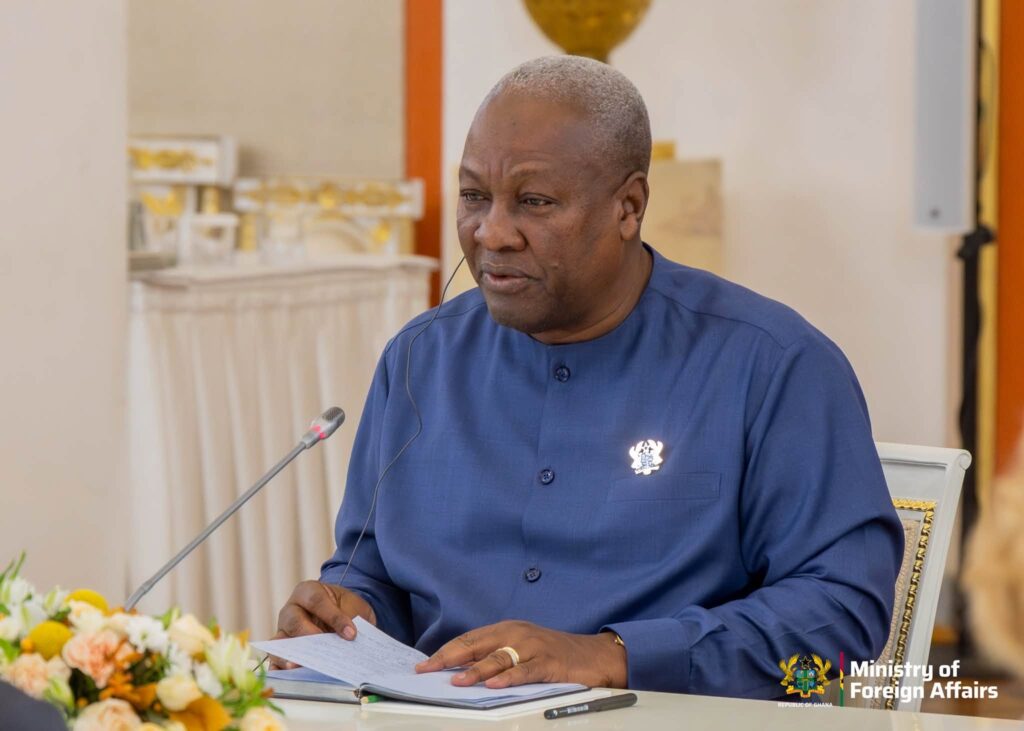
The MTTD has already outlined the digital process for traffic offences under the TraffiTech-Gh automated system. Fixed cameras at hazardous intersections, in-vehicle mobile cameras and tripod-mounted devices on major routes log the licence plate of any vehicle above the limit. An MTTD validation team then reviews the visual evidence.
The limits are 30 km/h in high pedestrian zones such as schools, markets, hospitals, churches and mosques, 50 km/h on urban roads, 90 km/h on highways and 100 km/h on motorways.
Once the team validates an offence, the registered owner receives an Electronic Notice of Violation by SMS showing the vehicle details, location, date and time. Official messages never carry web links and never ask for payment to a personal mobile money wallet. Motorists can check penalties by dialling *220#.
Fines, Deadlines and Penalties for Defaulters
Speeding fines generally range from 20 to 40 penalty units, roughly GH₵240 to GH₵480. Violators have 14 days to pay through the Ghana.gov portal or by dialling *222# (Option 6).
After that window, the fine grows by 1 percent a day, and the Driver and Vehicle Licensing Authority (DVLA) blocks vehicle registration, roadworthiness tests, ownership transfers and licence renewals until the debt is cleared.
Repeat offenders face a harder sanction. Six offences within two years trigger an automatic licence suspension of at least 12 months, plus mandatory retraining and testing before reinstatement.
Appeals, Emergencies and Where Cameras Operate
Owners can dispute a ticket online through Ghana.gov within two weeks of receiving the SMS. Drivers caught speeding during a genuine emergency, such as rushing a critically ill patient to hospital, can upload medical documents or visit complaints offices in Accra and Tema to seek a waiver.
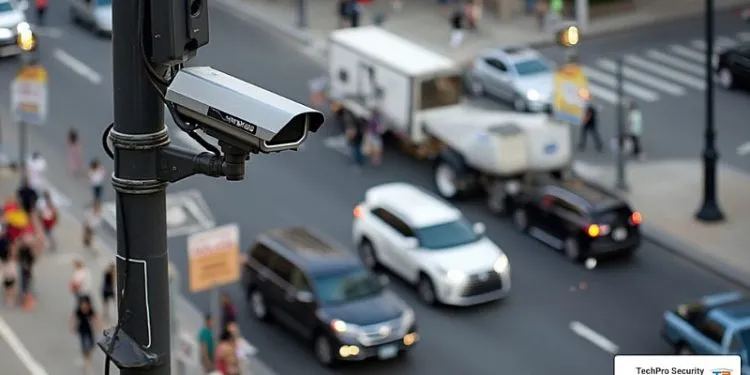
A contested case goes to court, where police must present their digital evidence, and motorists may submit their own dashcam footage. The cameras operate in eight urban centres across seven regions: Accra and Tema, Kumasi, Takoradi, Sunyani, Tamale, Koforidua and Ho.
The MTTD has credited the system with a decline in road crashes, and the President’s remarks signal that the government will hold its position on fines. Whether the police act on his call for visible camera signs may shape how drivers judge the programme.
READ ALSO: UK Agrees to ‘Structured, Time-Bound’ Talks on Slavery Apology