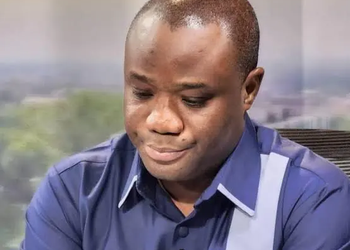
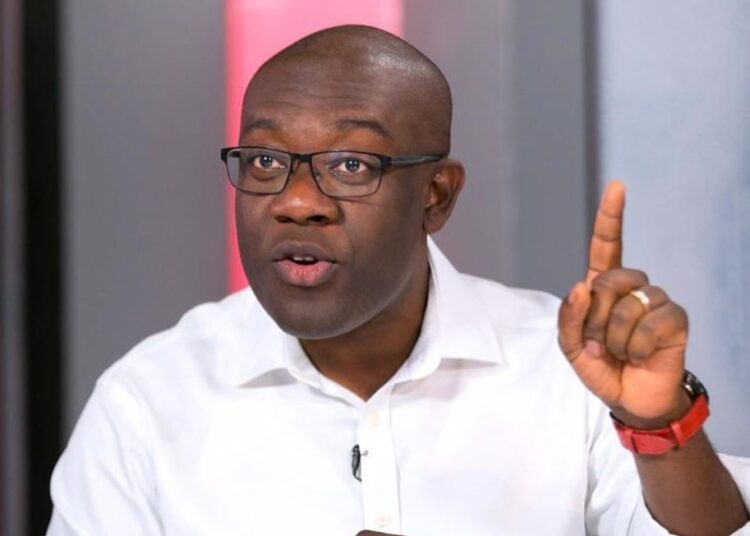
The Member of Parliament (MP) for Ofoase Ayirebi, Hon. Kojo Oppong Nkrumah, has appealed to New Patriotic Party (NPP) presidential aspirants to focus their campaigns on rebuilding party unity and restoring public trust, rather than attacking one another.
His call comes amid growing internal tensions and public exchanges among some aspirants ahead of the party’s 2026 presidential primaries, which he warned could harm efforts to rebrand and reorganise the NPP ahead of the 2028 general elections.
Speaking on the sidelines of internal consultations within the party, Hon. Oppong Nkrumah revealed that “discreet steps” were being taken to engage the various campaign teams to defuse hostilities and encourage a more constructive discourse that would strengthen the NPP.
“There’s a very strong effort – to speak to the various camps – to focus more on what they can do to help rebuild the party, what they can do to better serve when the NPP has an opportunity to serve in government. If we focus more on that and fewer attacks on each other, it should be easier after January 31, 2026”
Hon. Kojo Oppong Nkrumah, MP for Ofoase Ayirebi
He downplayed claims that some aspirants were unhappy about their recent meeting with former President Nana Addo Dankwa Akufo-Addo, dismissing such narratives as attempts by detractors to sow discord. “You will see spoilers throwing in things here and there,” he remarked, urging aspirants to avoid distractions and maintain focus on unity and strategy.
The meeting, convened by the former President, was aimed at fostering peace and discipline within the party and ensuring that the upcoming internal contest was conducted based on issues, ideas, and respect for party structures.
Defending Dr. Bawumia
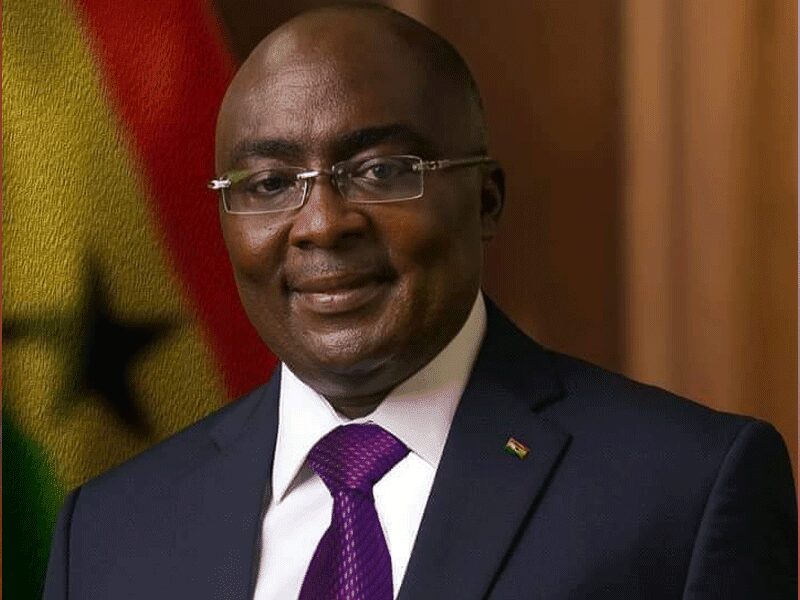
Addressing the broader post-election debate within the party, Hon. Oppong Nkrumah rejected claims that the NPP’s defeat in the 2024 general elections was the result of poor leadership by the party’s flagbearer, Dr. Mahamudu Bawumia.
He explained that empirical research conducted by credible institutions had shown that economic challenges and internal governance lapses, not Dr. Bawumia’s candidacy, accounted for the electoral loss.
“The Ghana Institute of Management and Public Administration (GIMPA) and the Konrad Adenauer Stiftung Foundation travelled across the country and indulged in empirical work to understand why we lost. Nowhere was it said that we lost because of our flag bearer – the one who bears the flag. We lost because, as a party that had been in government for eight years, there were a number of issues that people were unhappy with”
Hon. Kojo Oppong Nkrumah, MP for Ofoase Ayirebi
He elaborated that the research findings pointed to discontent over unresolved economic pressures, governance attitudes, and organisational weaknesses within the NPP. “If you read the Konrad Adenauer Stiftung Foundation report, over 43% or 45% of the respondents – say that the economic challenges of the day were not resolved to their satisfaction,” he noted.
Hon. Oppong Nkrumah dismissed narratives seeking to scapegoat the former Vice President, describing them as opportunistic attempts by some within the party to gain advantage ahead of future contests. “We have a very clear empirical understanding of why we lost,” he stressed.
He noted that lessons from the research were now guiding the NPP’s internal reorganisation process, with the goal of rebuilding grassroots trust, strengthening communication, and modernising its campaign strategies for the future.
Cybersecurity Bill
Hon. Oppong Nkrumah, who served as the former Minister of Information, also turned his attention to the proposed Cybersecurity Amendment Bill, warning that it poses a significant threat to freedom of expression and Ghana’s democratic values.
His concern follows opposition claims that the government, under President John Dramani Mahama, is seeking to criminalise free expression through new provisions that would make online posts deemed offensive or inciteful punishable under criminal law.
The Minority in Parliament has linked the proposed law to the President’s recent directive authorising authorities to trace the IP addresses of individuals spreading hate speech or inciting violence online. Hon. Oppong Nkrumah described the proposed amendments as “dangerous for democracy,” arguing that civil remedies already exist to address misconduct online.
“When you want to promote a democracy, you don’t do this. You don’t give such powers to bodies like these. When you do and these laws end up in the hands of an authoritarian, you will be shocked at what they will be used for.
“When people do untoward things on social media, there are enough civil remedies to deal with it. But to say that a man has to be handcuffed and put in jail because he said something, which is considered false by the Cyber Security Authority, is a dangerous territory. I’m of the view that there’s an effort to suppress dissent in our democracy today”
Hon. Kojo Oppong Nkrumah, MP for Ofoase Ayirebi
He cited recent arrests of TikTok users and the NPP’s Bono Regional Chairman, Kwame Baffoe, also known as Abronye, over social media posts as evidence of a worrying trend toward criminalising speech under this government.
Hon. Oppong Nkrumah called for parts of the draft legislation to be revised or expunged, urging Parliament to ensure that Ghana’s legal framework continues to protect free expression rather than stifle it. He cautioned that once criminal penalties for speech are normalised, future governments could exploit them for political suppression.

The Ofoase Ayirebi MP reaffirmed his belief that democratic governance thrives on tolerance, open dialogue, and respect for dissenting views. He called for broader consultation on the bill to ensure that it strengthens cybersecurity without undermining fundamental freedoms.
READ MORE: Market Bloodbath: Only Clydestone Survives as Major GSE Stocks Sink into Red