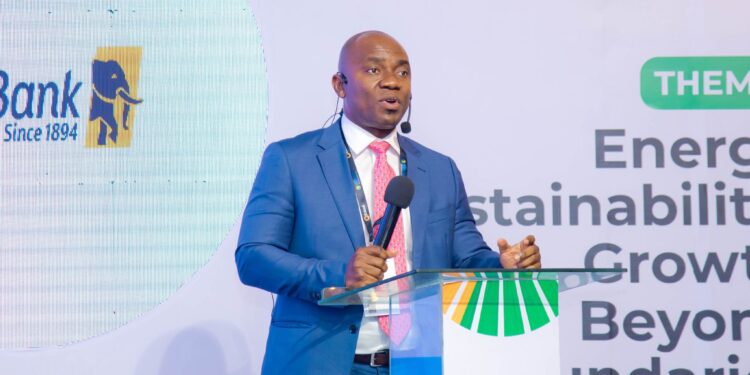
The Chief Executive Officer of the Chamber of Bulk Oil Distributors (CBOD), Dr. Patrick K. Ofori, has called for decisive leadership, sustainable financing, and stronger regional cooperation to unlock the full potential of Africa’s downstream petroleum sector.
Speaking at the OTL Africa Downstream Energy Week 2025 in Lagos, Dr. Ofori said the continent’s energy transformation will depend on a shared commitment to innovation, responsible governance, and investment in people and technology.
Delivering his remarks under the session theme “International Energy Trading, Finance & Investment Forum,” Dr. Ofori addressed the broader conference focus, “Energy Sustainability — Growth Beyond Boundaries & Competition.”
He emphasised that Africa’s downstream sector is at a defining crossroads where collaboration and reform are critical to achieving long-term growth.
“Africa’s downstream petroleum sector requires bold leadership, sustainable financing, and regional cooperation to unlock its full potential.”
Dr. Patrick K. Ofori, Chief Executive Officer of CBOD
He stated that the continent’s success in transitioning toward cleaner and more efficient energy systems will depend on how well governments and private stakeholders align their priorities.
Commending Reform and Courage
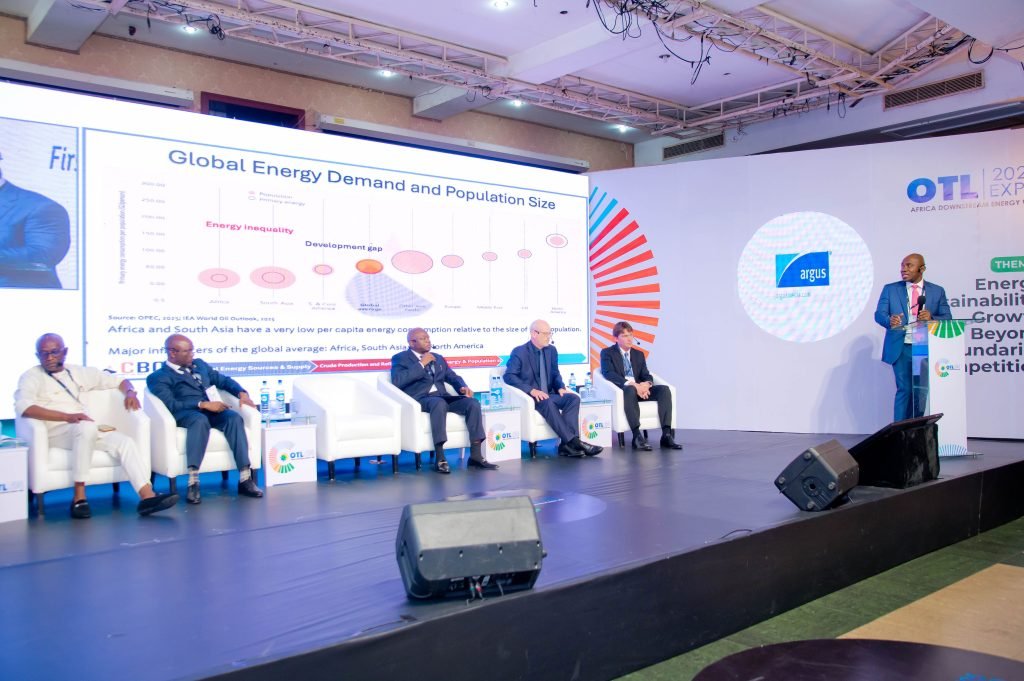
Dr. Ofori applauded Nigeria’s recent policy reforms in the energy sector, describing them as a model of political courage and economic foresight.
He particularly commended the government for removing subsidies on high-sulphur and other environmentally harmful fuels.
He noted that such decisions are essential in promoting transparency, market efficiency, and environmental responsibility.
“Nigeria’s bold step to remove subsidies, especially on fuels that harm the environment, demonstrates strong leadership in energy transition and economic restructuring.”
According to him, reforming energy subsidies across the continent is a crucial step toward sustainable growth. While subsidies often aim to protect consumers, they can also distort markets and drain national budgets when poorly targeted.
Dr. Ofori believes that redirecting such resources into cleaner energy infrastructure, technology, and human capital development will yield more equitable and lasting benefits for African economies.
Strengthening Regional Energy Cooperation
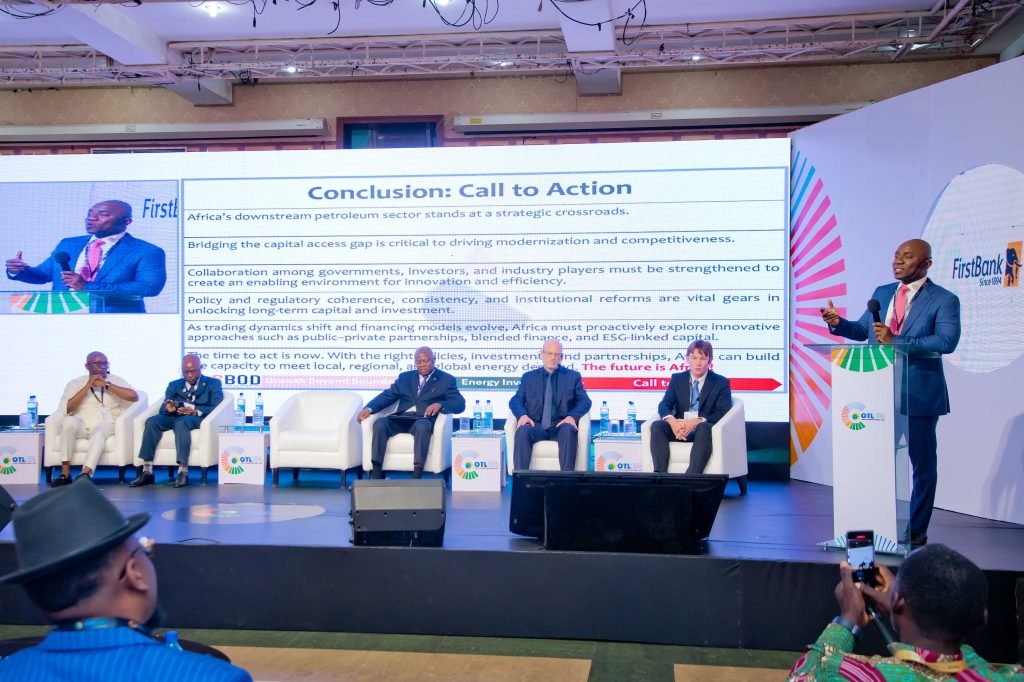
The CBOD Chief highlighted the importance of intercountry energy trading among African nations as a means of achieving both economic stability and energy security.
He urged regional leaders to look beyond national boundaries and explore cooperative frameworks that allow for mutual growth and resource optimization.
“Countries like Ghana and Nigeria can take the lead by initiating bilateral trade in energy resources to strengthen intra-African collaboration and energy security.”
Dr. Patrick K. Ofori, Chief Executive Officer of CBOD
Dr. Ofori explained that increased cooperation would not only diversify energy supply but also enhance competitiveness and resilience in the face of global market volatility.
The idea, he stressed, is consistent with the objectives of the African Continental Free Trade Area (AfCFTA), which aims to foster greater integration and industrialization across sectors.
Dr. Ofori’s presentation also underscored the transformative role of technology in modern energy systems.
He observed that as the world advances into a new era defined by digitalization and artificial intelligence (AI), Africa must keep pace by adopting smart solutions that improve efficiency, reduce losses, and expand access.
“Africa must embrace technology and innovation, including AI, to make energy more accessible, efficient, and sustainable for our people.”
Dr. Patrick K. Ofori, Chief Executive Officer of CBOD
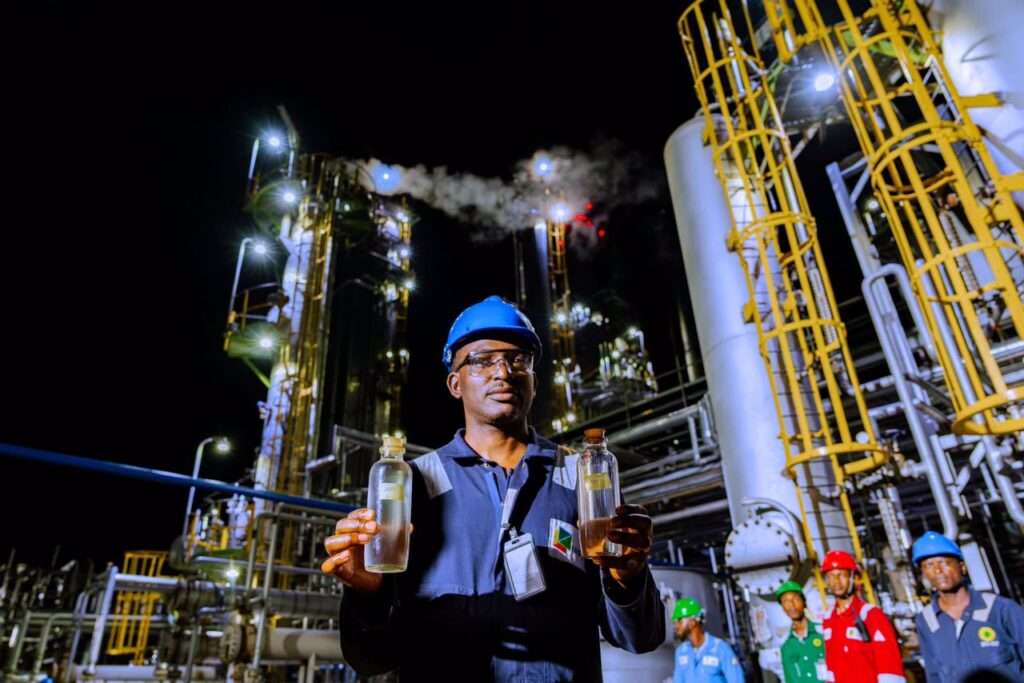
He further argued that technology should not be viewed as a luxury but as a critical enabler of inclusive growth.
Investment in innovation, he said, must go hand in hand with investment in people, ensuring that Africa builds the human capacity necessary to operate and sustain advanced energy systems.
Dr. Ofori emphasized that Africa’s energy transition will require sustained commitment across both public and private sectors.
Governments, investors, and development partners must collaborate to create a stable environment for long-term energy investments.
He warned that the continent’s energy ambitions could stall if countries continue to pursue isolated strategies rather than a unified vision for sustainable development.
The future of Africa’s energy, he added, lies not in competition but in cooperation guided by shared goals and mutual benefit.