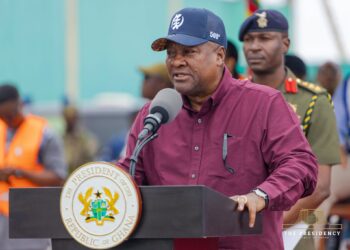
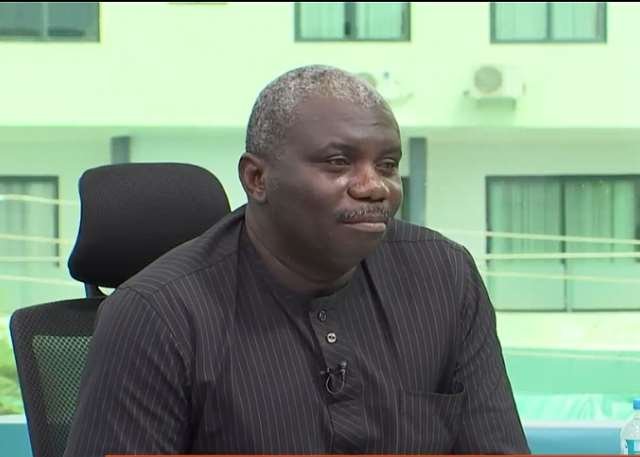
Former Ayensuano Member of Parliament (MP), Samuel Ayeh-Paye, has called on President John Dramani Mahama to clarify the scope of his recent warning to government appointees, urging a clear distinction between alleged and proven corruption.
The former legislator argued that without this clarity, the President’s admonition could generate confusion and tension within his administration.
President Mahama, in recent statements, cautioned that “woe betide any appointee who brings the first scandal to my administration,” a remark that has since attracted public attention and debate. While the President’s intent appears aimed at deterring corrupt practices, Mr. Ayeh-Paye insisted that the wording of the warning is ambiguous.
He stressed the importance of specifying whether the statement pertains to allegations or confirmed acts of wrongdoing, highlighting the potential for internal misunderstandings among government officials.
“I have an issue with that statement made by the president. Is he talking about any corruption or alleged corruption? The two are not the same. Is he talking about woe betide anybody who will be caught? Or woe betide anybody that alleged corruption practices will be heard from his ministry?”
Mr. Samuel Ayeh-Paye, Former Ayensuano MP

Mr. Ayeh-Paye suggested that vague warnings could inadvertently create uncertainty for appointees who may feel unfairly targeted by mere allegations rather than substantiated misconduct.
According to him, the President’s statement follows months of public discourse emphasizing the absence of major corruption cases under the new administration. However, he maintained that a distinction is necessary between allegations – which may later prove unfounded – and confirmed corruption acts that require official action.
“It should be clear,” the former MP insisted, urging the government to provide unambiguous guidance to prevent unnecessary disputes or misinterpretations within ministries should any such situations occur in the near future.
Further Warnings
The former legislator further warned that unclear communication could have broader consequences for governance as allegations against officials, even if unproven, could escalate into political controversies if misread – potentially undermining the President’s broader anti-corruption objectives.
Mr. Ayeh-Paye added that precision in communication is critical to maintaining both internal cohesion and public confidence in the administration.
While noting the President’s likely good intentions, Mr. Ayeh-Paye also questioned the necessity of the warning if it refers to confirmed corruption acts, arguing that prosecuting wrongdoing is already an expected duty of the government.
“If indeed he is talking about corruption acts against any of his appointees, then of course, what do we expect him to do? Then there’s no need for this warning because we voted you there to rule the country, arrest, prosecute, and punish anybody who engages in corruption acts”
Mr. Samuel Ayeh-Paye, Former Ayensuano MP
Mr. Ayeh-Paye further observed that his critique underscores a broader tension between deterrence and clarity in governance messaging. While strong statements against corruption can signal commitment, overly broad or ambiguous language risks creating confusion among officials and the public alike.
In this instance, the call for precision seeks to ensure that anti-corruption measures are effectively implemented without inadvertently causing uncertainty or disputes within government structures.
Mr. Ayeh-Paye concluded by reinforcing that while President Mahama’s anti-corruption stance is commendable, careful articulation of such warnings is essential.

Clear communication, he argued, will strengthen governance, maintain trust, and “ensure that appointees understand their responsibilities without fear of misapplied admonitions.”
READ ALSO: Dr. Manteaw Questions Prof. Adei Over GoldBod ‘Galamsey’ Legalisation Comment