

The Executive Chairman of the African Energy Chamber, NJ Ayuk, has reiterated that decentralized energy systems are emerging as Africa’s most practical and cost-effective solution to rural energy poverty.
Speaking on the continent’s shifting power landscape, he outlined how off-grid solar technologies, mini-grids, and microgrids are already transforming access to electricity in communities long neglected by traditional grid networks.
Ayuk explained that decentralized systems deliver energy “precisely where it’s needed: directly to households, schools, and businesses that national utilities cannot reach efficiently.”
He noted that solar home systems and small-scale renewable units have quietly become one of the most important drivers of electrification across sub-Saharan Africa.



“Off-grid solar systems already provide affordable, clean power to millions,” he said, adding that they account for nearly one-quarter of all new electricity connections on the continent since 2020.
According to the Energy Chamber chief, these technologies are powering classrooms, supporting small enterprises, and improving daily life in ways that “once seemed impossible.”
Ghana Shows Promise of Mini-Grids

Ayuk highlighted Ghana as an example of how decentralized mini-grids can be deployed efficiently to reach remote communities where national grid expansion remains slow and costly.
He said mini-grids in Ghana have consistently proven to be the lowest-cost option for rural access, offering reliable power to villages situated far from major transmission lines.
“In Ghana, decentralized mini-grids have already proven to be the lowest-cost option for reaching remote communities.”
NJ Ayuk, Executive Chairman of the African Energy Chamber
These systems, he added, are energizing homes, businesses, and essential services and could become a major driver of inclusive development if expanded strategically.
Ayuk argued that such models demonstrate how localized systems can stimulate “bottom-up growth across rural Africa,” finally delivering the development gains that centralized electricity grids have been unable to achieve in decades.
Africa Cannot Wait for Slow Grid Expansion
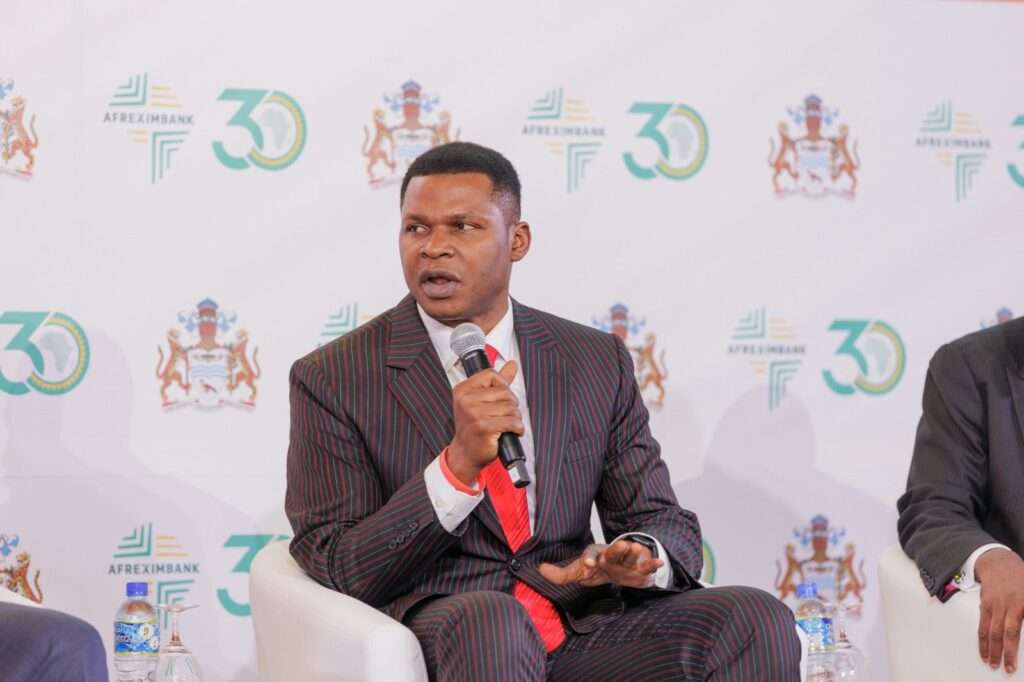
The Executive Chairman warned that Africa does not have the luxury of waiting for national grids to expand into rural and sparsely populated areas.
Millions still live without basic electricity, and in many regions, grid extensions could take years or remain financially unviable.
“Africa cannot afford to wait for traditional grid expansion to catch up.
“The need for power in rural communities is immediate, but so are the opportunities.”
NJ Ayuk, Executive Chairman of the African Energy Chamber
He explained that through decentralized generation systems, entire villages are receiving electricity for the first time, unlocking economic potential and improving living standards almost overnight.
Ayuk cautioned that decentralized systems alone will not solve Africa’s entire energy challenge. He emphasized that the continent still requires multiple strategies, including gas-to-power solutions based on Africa’s abundant natural gas resources, which can provide reliable baseload power.
“These approaches are not the only answers to Africa’s energy poverty,” he said. However, he maintained that decentralized generation and microgrids hold “extraordinary potential,” especially in remote areas where extending central grids “remains unrealistic.”
Microgrids, he explained, offer a hybrid model that can operate independently or integrate with national grids while using renewable sources such as solar, wind, and hydro, often supported by battery storage to ensure constant supply.
High Cost of Traditional Grid Expansion Makes Microgrids Attractive
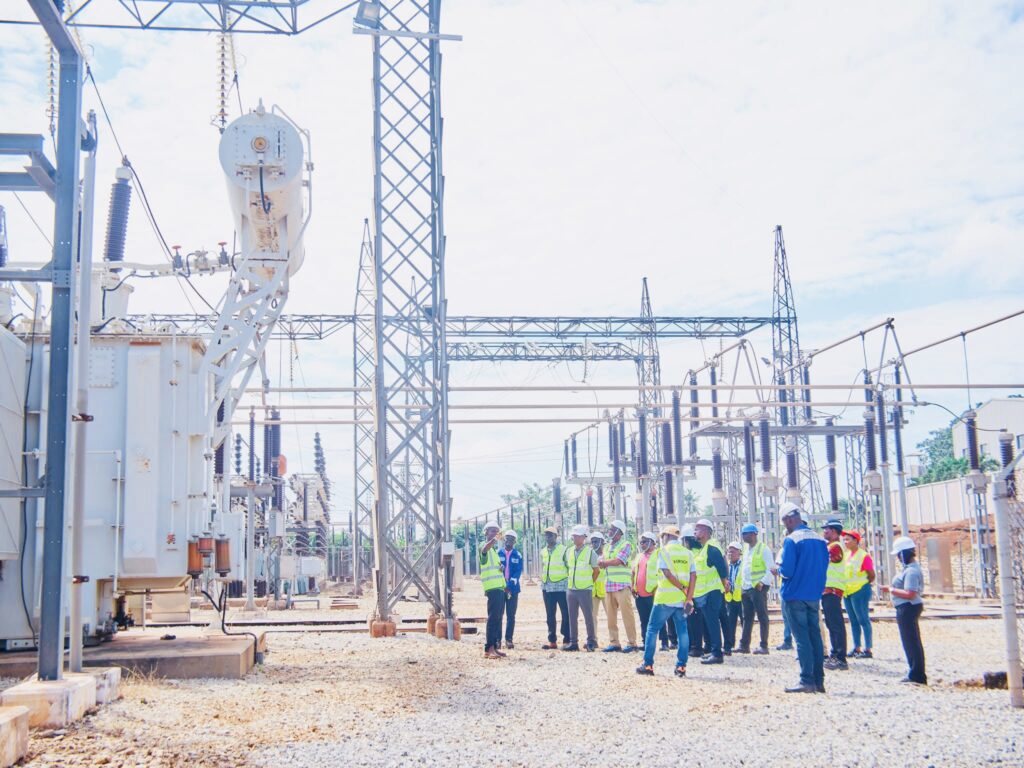
Ayuk underscored the financial burden of conventional grid expansion, noting that extending transmission and distribution infrastructure to remote regions is prohibitively expensive.
He cited figures showing that transmission lines can cost between USD 19,000 and USD 22,000 per kilometer, with another USD 9,000 required per kilometer for distribution infrastructure.
In sparsely populated rural districts, utilities face an additional challenge: recovering these costs from households with limited incomes.
“Utilities must charge customers cost-reflective tariffs to recover costs, prices that most rural African households simply cannot pay.”
NJ Ayuk, Executive Chairman of the African Energy Chamber
Microgrids, he said, offer an alternative that is both cost-effective and quicker to deploy. They eliminate the need for long transmission lines and can be established in a matter of months.
With renewable technology costs having dropped 25–30% since 2014, microgrids are more affordable today than ever before.
New Financing Models Fuel Expansion
Ayuk also pointed to emerging financing innovations that are accelerating the deployment of decentralized systems. He highlighted “pay-as-you-go” consumer financing models and blended public–private partnerships as particularly transformative tools.
These mechanisms, he said, are making small-scale solar and microgrids accessible to low-income households while helping developers scale up their operations sustainably.
He referenced Nigeria as an example, where a partnership between MTN Nigeria and Lumos is providing dependable solar-powered electricity to households and small businesses that previously had no connection to the grid.
As Africa works to close its energy access gap and meet rising demand, Ayuk believes decentralized systems will serve as a cornerstone of the continent’s power future. Their flexibility, affordability, and rapid deployment capacity make them particularly suited to the realities of rural Africa.
He urged policymakers and investors to view decentralized energy not as an alternative, but as an essential complement to national strategies.
With the right support, he said, decentralized systems and microgrids could unlock unparalleled progress and bring millions closer to sustainable, reliable electricity.
READ ALSO: Women Hold the Key to Ghana’s Rural Banking Transformation- Matilda Asante-Asiedu Declares