IMANI Centre for Policy and Education, a prominent think tank in the country has raised serious concerns about the revised 2025 lithium lease agreement.
Franklin Cudjoe, the Founding President and Chief Executive Officer of IMANI, lambasted the deal, alluding that “The new agreement is pretty awful” that weakens the country’s sovereignty and fiscal value.
Mr. Franklin Cudjoe’s scathing critique delves into the legal, constitutional, and economic aspects of the agreement, highlighting what he believes to be fundamental flaws that undermine Ghana’s ability to secure the best possible terms for its valuable lithium resources.
He further faulted government for what he described as absence of the explicit sliding scalemechanism in the revised agreementwhich is contrary to public assurance.
The IMANI boss’s intervention comes at a critical juncture, as the government navigates the political and economic complexities surrounding the Ewoyaa Lithium Deal.
“The explicit 10% royalty rate has been removed. Contrary to public assurances, there is no explicit sliding scale in the agreement. The rate is now 5% according to the figure in the Minister’s current executive instrument.”
Mr. Franklin Cudjoe
Think Tanks in Shaping National Policies
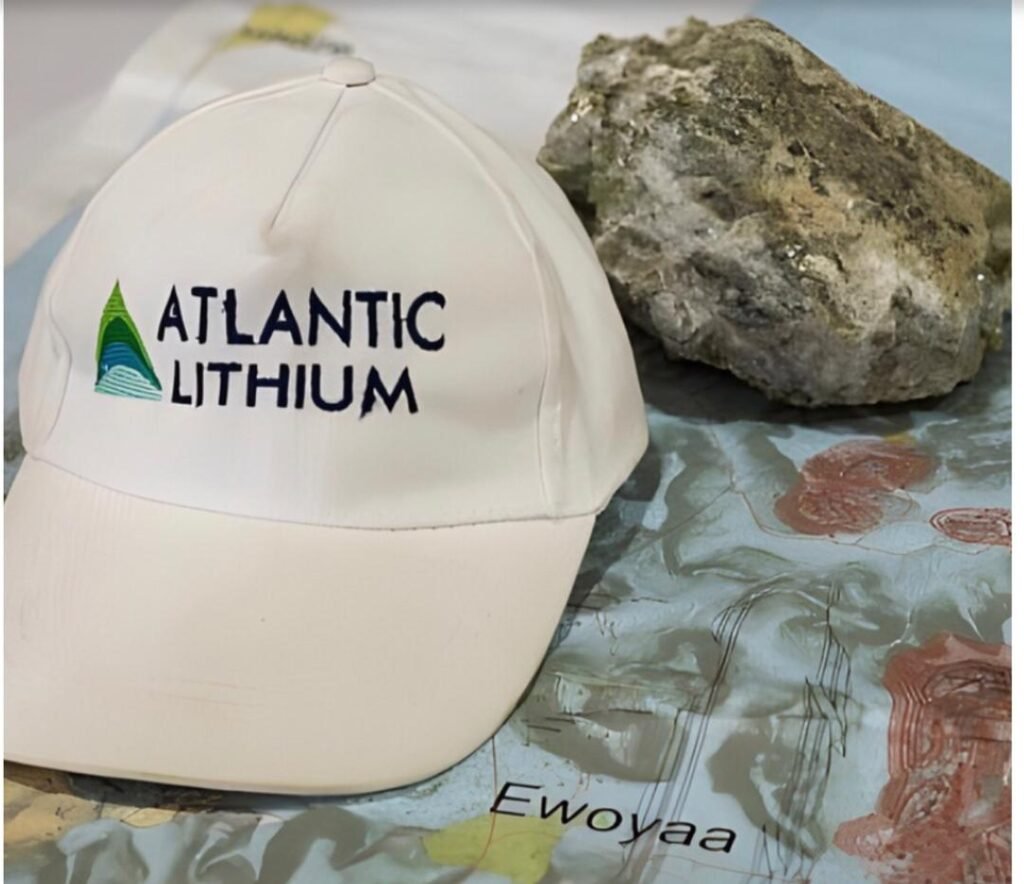
Being a leading think tank in the country, IMANI has long been involved in shaping national policies, particularly in the extractive industries industry.
Its intervention in the Ewoyaa Lithium Deal controversy underscores the organization’s commitment to ensuring that the country’s mineral resources are managed in a manner that truly benefits the nation and its entire population.
The IMANI boss’s critique extends beyond the specific details of the lithium lease agreement, touching on the broader challenges facing Ghana’s mineral resource governance.
Mr. Franklin Cudjoe further asserted that the country’s Green Minerals Policy, intended to guide special legal provisions for strategic minerals like lithium, is being neglected due to deals like the current one, highlights the need for a more comprehensive and coherent approach to resource management.
Legitimacy of the Current Agreement
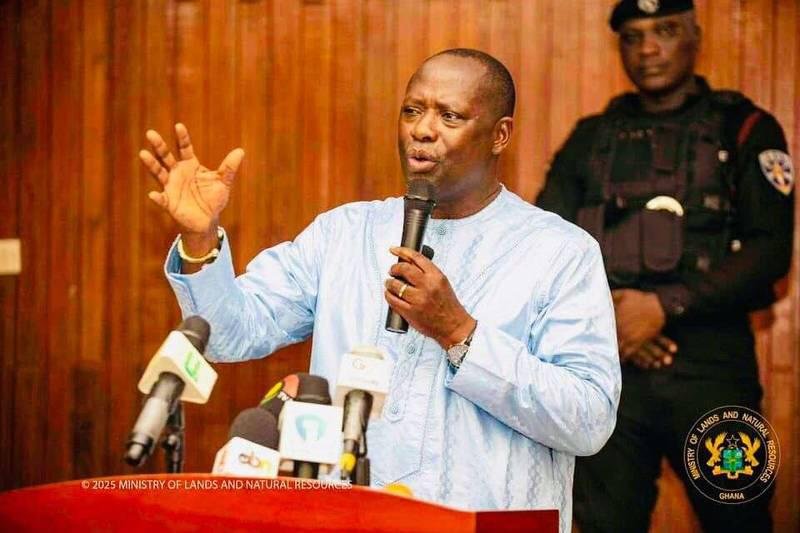
IMANI Boss’ analysis delves into the legal and constitutional foundations of the lithium lease agreement, challenging the notion that the current arrangement is legally sound and enforceable.
The IMANI boss also argued that the Minister of Lands and Natural Resources have the power to amend the executive instrument and set a higher royalty rate, even without the need to change the main mining legislation.
Furthermore, Franklin Cudjoe criticizes the “pathetically weak” refinery obligations placed on the investor, stating that the company is not even required to undertake a feasibility study on local refining, a crucial aspect of maximizing the value-addition within Ghana.
The IMANI boss also takes issue with the equity stake offered to Ghana, describing it as a “minority stake that offers no guaranteed return,” a far cry from the level of national control and benefit-sharing seen in other countries grappling with the energy transition and the strategic importance of minerals like lithium.
Renegotiation and Inclusive Policymaking
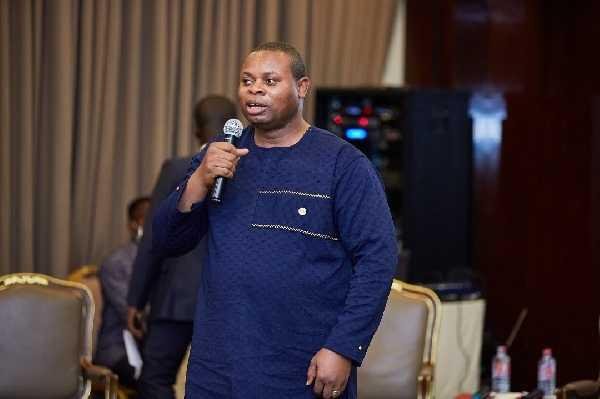
Franklin’s scathing critique of the revised lithium lease agreement culminates in a call for decisive action. The IMANI boss urges Parliament to reject the current deal and demand the restoration of sovereign fiscal control through a newly renegotiated agreement.
“The political class is proving incapable of defending Ghana’s national interests. They must therefore open up the process to include civil society and non-political actors,” Franklin Cudjoe asserted, underscoring the need for a more inclusive and transparent approach to decision-making on matters of national importance.
While Ghana navigates the complexities of the Ewoyaa Lithium Deal, the intervention of respected think tanks including IMANI, will undoubtedly play a crucial role in shaping the discourse and influencing the government’s decisions.
IMANI’s unwavering stance on the need to protect Ghana’s sovereignty and secure the best possible terms for its lithium resources sets the stage for a pivotal moment in the country’s mineral resource governance.
READ ALSO : NDC Accused of Executing Campaign Promise with Petitions Against EC and SP