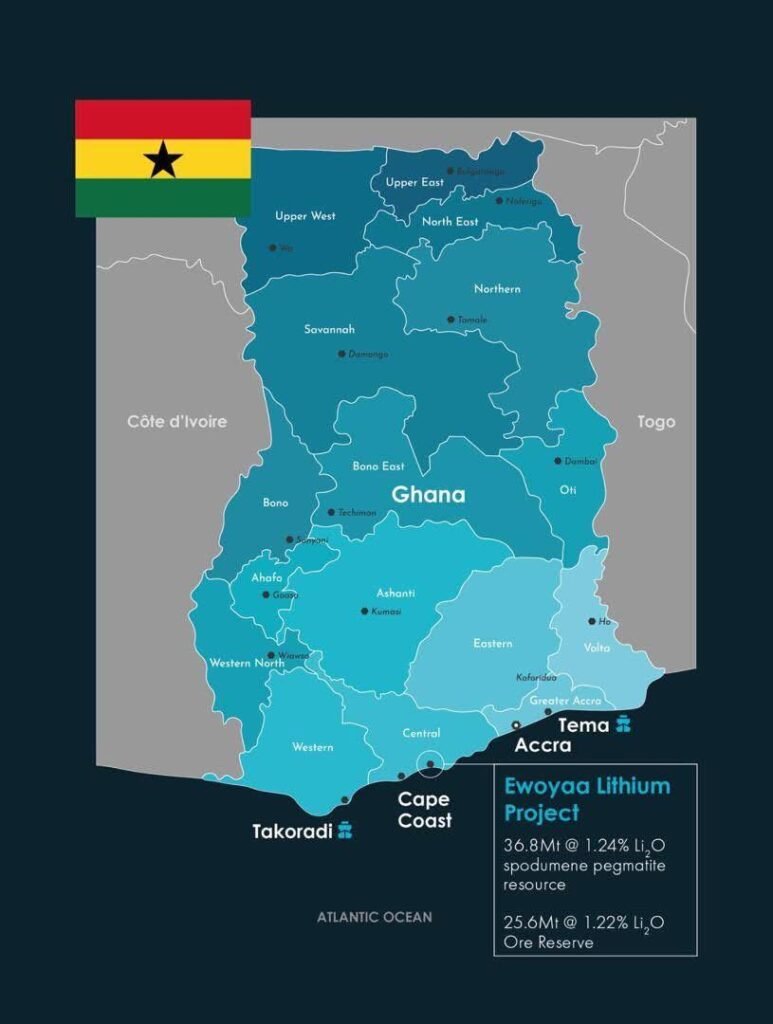
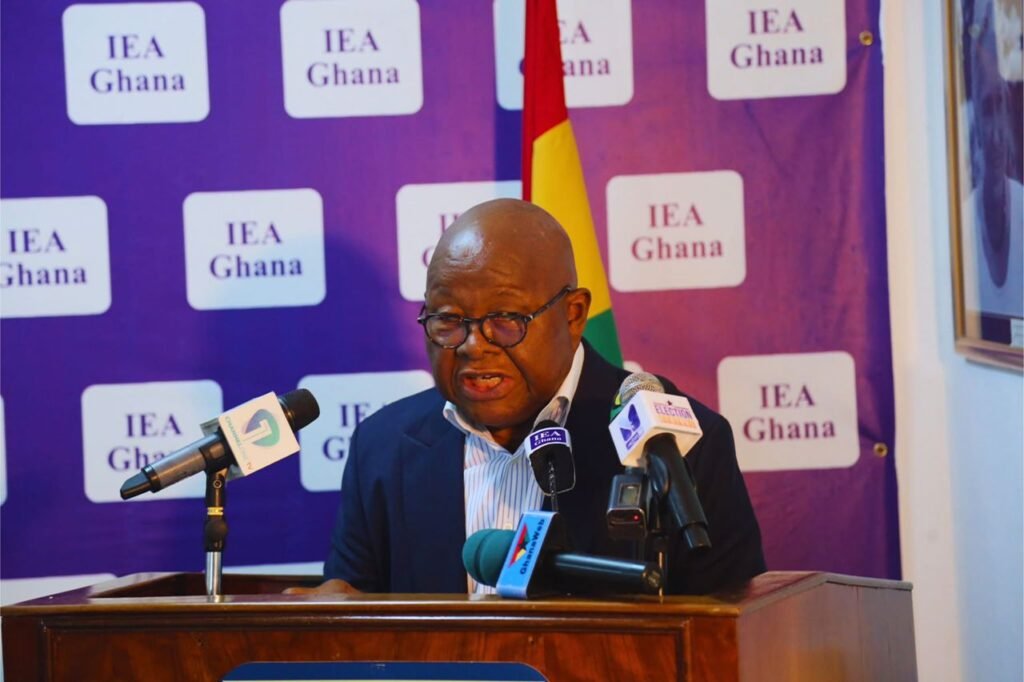
Professor Aaron Mike Oquaye, an esteemed Fellow of the Institute of Economic Affairs (IEA) and Speaker of the 7th Parliament, has appealed to the residents of Ewoyaa and the surrounding Mankessim traditional area to remain patient as the nation navigates the complexities of the lithium lease agreement.
Prof. Oquaye emphasized that while the urgency for development is palpable, a rushed contract could lead to “jeopardy benefits” rather than the maximized prosperity the region deserves.
His intervention comes at a time when the government is facing intense scrutiny over the terms of the mining lease, with the Professor insisting that the ultimate goal must be absolute Ghanaian ownership and the retention of value within our borders.
“This is what I’m really talking about. But you see, beyond ownership, and this goes more to the people of Ewoya, they are a bit worried. I understand. I will plead with them, Be patient. You see, if we don’t get the thing right, you will not maximise your benefits.”
Professor Aaron Mike Oquaye
Beyond the immediate need for infrastructure, Prof. Oquaye’s vision for Ewoyaa is rooted in a transformative industrial shift that moves Ghana away from being a mere exporter of raw materials.
He argued that the current fluctuations in global lithium prices which have recently dipped should not serve as a catalyst for a “quick contract” that settles for less.
Drawing a historical parallel to the gold market, he noted that gold prices surged from $1,500 per ounce in 2016 to approximately $3,500 today, suggesting that lithium’s trajectory as the “source of power” for the future will follow a similar path of appreciation.
For the people of Ewoyaa, this means that holding out for a “refined product” approach will eventually secure “proper jobs” in local processing plants and integrate the community into the global clean energy drive, including the burgeoning electric vehicle and carbon credit markets.
Community Anxiety and the Livelihood Crisis in Ewoyaa
The call for patience, however, meets a community grappling with severe economic stagnation and uncertainty. Residents of Ewoyaa and Amanse have expressed deep-seated worries regarding the ratification delay, which has effectively frozen their traditional livelihoods.
Many farmers have been barred from cultivating lands designated for the project, while local construction has halted, leaving families in a state of “starvation” and “hardship,” according to traditional authorities.
The primary concern among the Ewoyaa people is whether the promised “broad-based national benefits” will ever materialize or if they are being sidelined in a deal that favors foreign interests over local welfare.
They fear that a reduction in royalty rates from 10% to 5%, a move currently being debated will “shortchange” the community, depriving them of the social infrastructure and developmental projects originally pledged.
To address these grievances, Prof. Oquaye proposes a paradigm shift toward a “service contract model” where Ghana maintains full control over the resource.
He envisions a scenario where Ewoyaa becomes the hub for lithium processing, providing the foundational power needed to bridge the digital divide.
“If you have battery, we can take computer studies to the most remote village in Ghana,” he remarked, highlighting that the true value of lithium lies in its application to ICT development and rural industrialization.
By refining lithium locally, Ghana avoids the trap of buying back expensive finished commodities made from its own raw materials.
This strategy ensures that the “rural industries work in a different way,” creating a sustainable economic ecosystem that outlives the initial mining phase and provides long-term security for the youth of the Central Region.
Navigating Market Volatility and the Path to Sovereignty
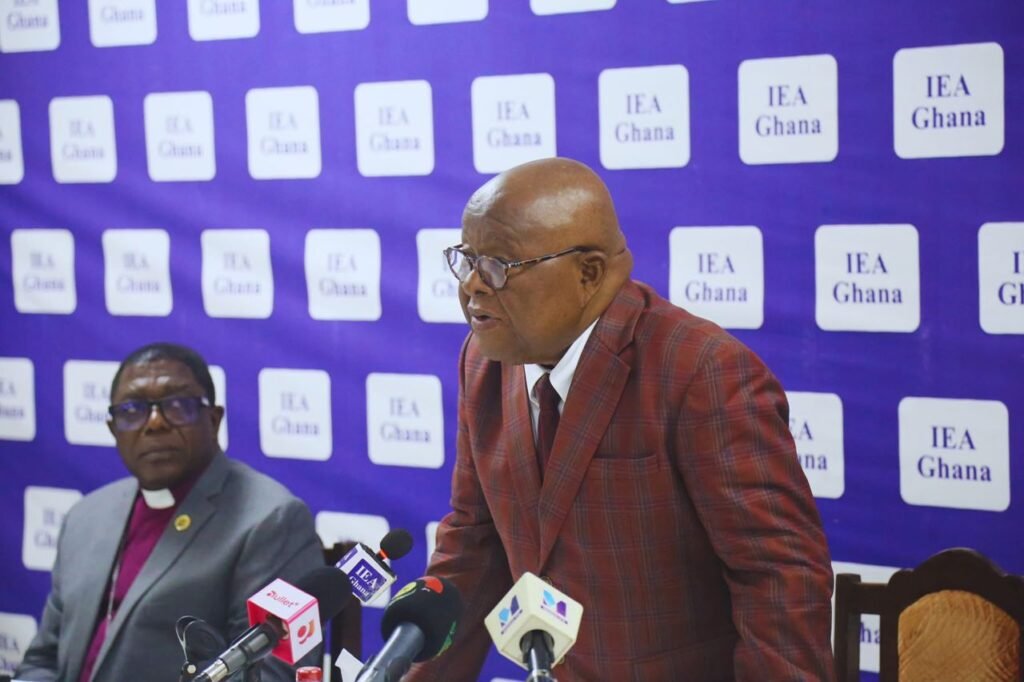
Prof. Oquaye’s stance is a firm rejection of “desperation” in the face of market manipulation and price uncertainty. He maintains that the current lower prices for lithium are temporary and should be viewed as a “sign of empowerment” for Ghana to negotiate from a position of strength rather than weakness.
By refusing to succumb to the pressure of a flawed agreement, the state can ensure that the lithium sector does not replicate the “resource curse” seen in the gold and bauxite industries.
The goal is to establish a regime where the state retains ownership, leverages private expertise through clearly defined service contracts, and ensures that every ounce of “white gold” extracted contributes to the national purse and the specific upliftment of the Ewoyaa people.
READ ALSO: Access Bank Ghana Sets Sustainability Benchmark with Twin Wins at 2025 Social Investment Awards