Export sector growth has been one of the priority areas of the government, and the President has assured exporters of increased capital and credit opportunities to boost Ghana’s exports.
Exports of commodities are the major source of revenue to the government and require crucial support and intermittent interventions to sustain the sector’s relevance to the economy of Ghana.
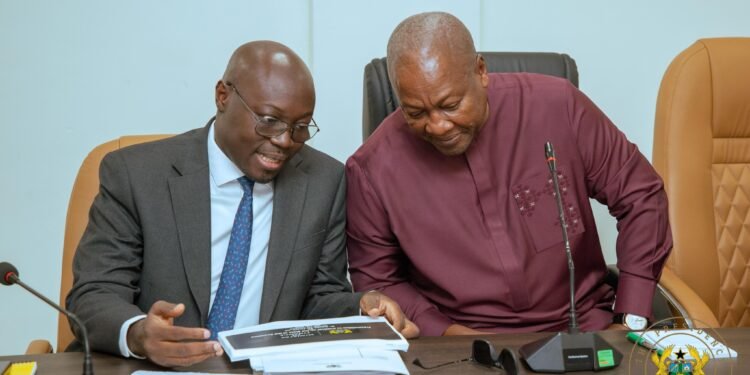
President John Dramani Mahama assured the sector that he has engaged Ghana Export-Import Bank (GEXIM) and other stakeholders to identify possibilities to expand access to capital and credit facilities for exporters. This initiative, the President insinuated, will migrate the country from raw-material-export to value-added exports.
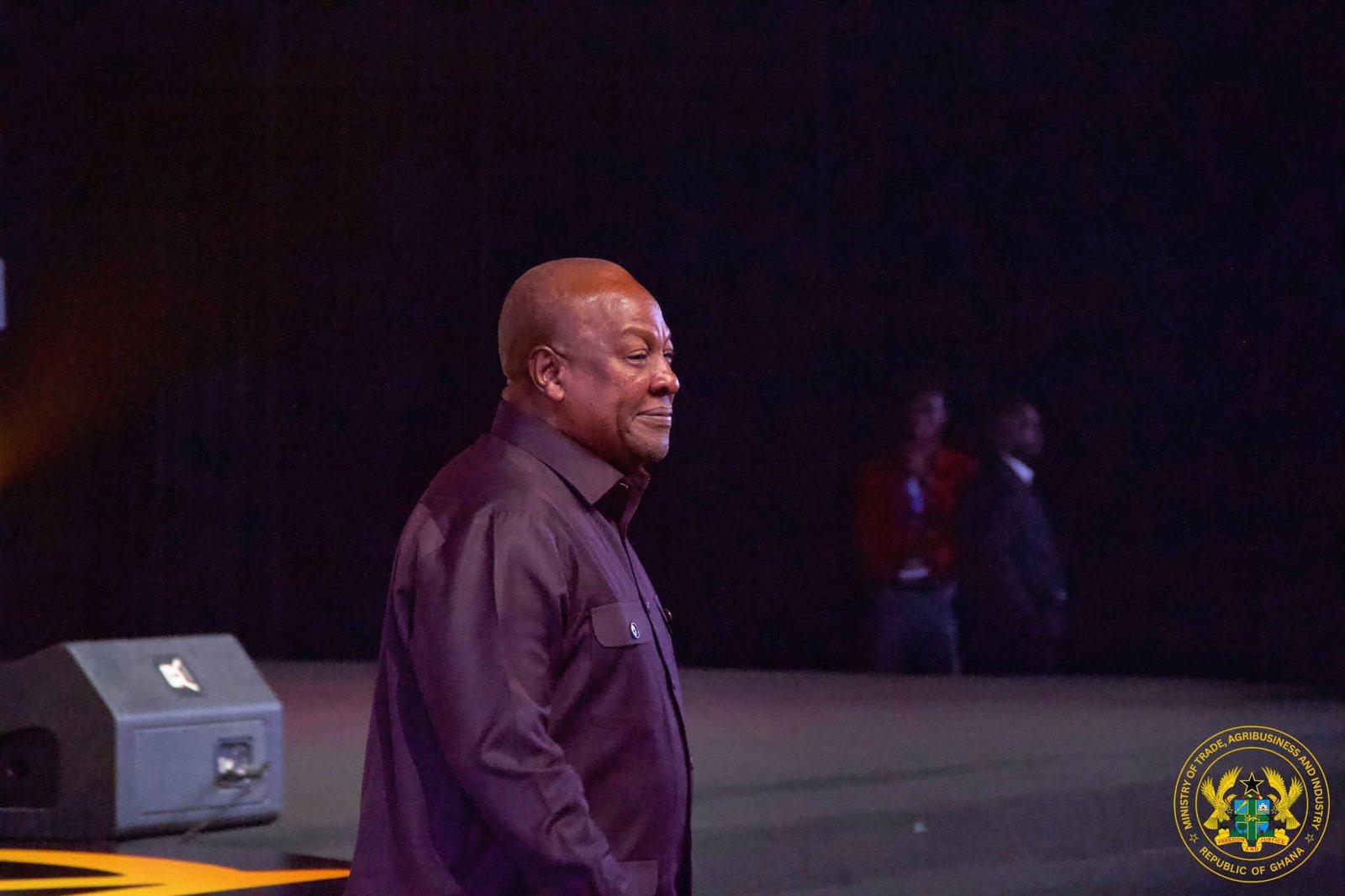
H.E. the President expressed the government’s goal of supporting the export sector to promote internal and external competitiveness. Ghana, in all respects, must grow to international standards where sectors, industries, and businesses can compete on the international market, the President added.
The government is committed to “strengthening Ghana’s export sector, pledging increased support to help local exporters scale up operations and compete effectively in regional and global markets,” President Mahama reaffirmed.
This comes on the back of growing concerns by experts about whether the government is taking full advantage of the high global commodity prices and the increased export earnings this year. The government has therefore backed its assurance with an actual directive to soon provide a tailored capital source to the export sector players.


The President again noted that, as part of empowering the private sector to support the government’s initiatives, such as the Agriculture for Economic Transformation Agenda (AETA) and the 24-Hour Economy and Accelerated Export Development Program, the export sector businesses will be promoted.
“The move is aimed at enabling businesses to seize opportunities across Africa and beyond while boosting their competitiveness.”
President John Dramani Mahama
Industrializing through Commodity Value Addition
Ghana’s economic transformation since the beginning of 2025 has been rooted in an economic transformation strategy, referred to as the ‘economic reset agenda.’ The central aim is to shift the Ghanaian economy from heavy and total dependence on raw materials to a competitive, industrial, and export-driven country.
In declaring the government’s robust support systems, strategically positioning, to drive value addition and export-led growth, H.E. John Dramani Mahama emphasized that “we have exported raw materials for far too long; it is time to add value to our products.”
He urged the stakeholders to collaborate and work together to push this growth and expansion initiative forward to boost the country’s GDP from 2026.
Government’s Export Strategy
The government’s agenda prioritizes agro-processing, mineral beneficiation, and local manufacturing to create jobs, ensure food security, and boost export earnings. The agenda has been infused into the national policy framework with support from the Ministry of Trade, Agribusiness and Industry, and other partners.
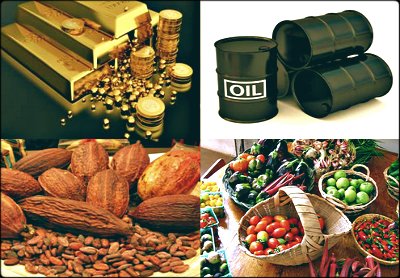
According to the President, “investments in infrastructure, regulatory reforms, and institutional capacity building are the essential pillars underpinning the [government’s] export strategy.”
The President urged the youth and women to fully participate and seize this opportunity within the export sector, while assuring them of continued government efforts to create an enabling business environment.
Extending Credit Facility for Exporter
The government, through the Ghana EXIM Bank, offers a wide range of credit facilities and support mechanisms to build Ghana’s capacity and competitiveness in the international marketplace. These credits include direct credit facilities, import financing, guarantees, export credit insurance, and joint investments.

The government, therefore, aims to reassess these existing credits to finalize the form the expansion initiative will take to ensure maximum impact. The credit given under the existing credit facilities could be increased, or a new capital policy could be added.
President John Mahama encouraged all businesses under the sector to engage with GEXIM to discover more efficient ways of expanding their businesses through the additional credit facility to take advantage of opportunities under the government’s initiatives and the African Continental Free Trade Area (AfCFTA).
READ ALSO: CIB Ghana Pushes Future-Ready Banking Amid Currency Pressures and Industry Disruption