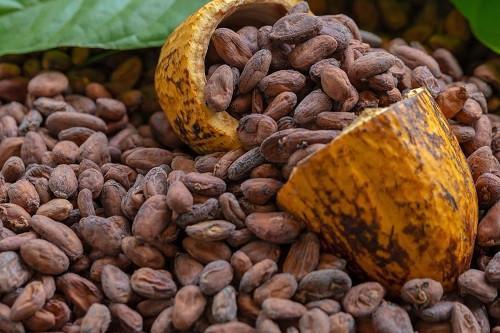
For much of the past 18 months, cocoa prices soared to historic highs on the global market, briefly touching about US$12,000 per tonne and igniting expectations of a revenue windfall for cocoa producing countries.
Yet in Ghana, the optimism faded quickly. Despite the price rally, both farmers and the regulator were unable to capture the gains, and the Ghana Cocoa Board has now reported losses following a sharp market correction.
The paradox has raised difficult questions about supply constraints, contract management and the vulnerability of Ghana’s cocoa economy to extreme price volatility. Cocoa remains one of the country’s most important foreign exchange earners, supporting rural livelihoods and public finances alike. The recent downturn therefore carries implications that stretch beyond the balance sheet of the Board.
Supply shortfalls undermine expected gains
At the heart of the losses was a significant shortfall in cocoa deliveries during the 2023/2024 crop season. Ghana typically exports between 850,000 and one million metric tonnes of cocoa annually, with more than 70 percent destined for European markets. However, production challenges meant that about 330,000 tonnes tied to forward contracts were not supplied within the season.
Those undelivered volumes were rolled over for delivery and payment in subsequent years, effectively denying the sector the chance to monetize the unusually high prices when they mattered most. As global prices have since retreated sharply, the value of those deferred contracts has diminished, turning what could have been extraordinary earnings into financial strain.
Chief Executive Officer of COCOBOD, Randy Abbey, described the outcome as deeply unfortunate, noting that the price rally failed to translate into tangible benefits for those at the heart of the sector.
“It is unfortunate that Ghanaian farmers and COCOBOD did not benefit from the high cocoa prices on the global commodity market over the past 18 months. Instead, the situation resulted in losses.”
Randy Abbey
For farmers, the disappointment has been acute. Many anticipated higher producer prices and improved incomes to cushion rising costs of inputs and living expenses. Instead, production constraints and deferred sales meant that the boom passed without delivering the expected relief.
Global market reversal intensifies pressure
The sense of missed opportunity has been compounded by the speed and scale of the global market reversal. Prices have fallen from the highs of about US$12,000 per tonne to around US$5,000 per tonne, eroding revenue prospects and heightening uncertainty about the future. On Friday, December 19, 2025, cocoa closed at US$5,845 per tonne on the international market, underscoring the extent of the decline.
This downturn has heightened concerns about revenue sustainability for Ghana’s cocoa sector, especially as production remains under pressure from aging farms, climate related risks and disease. With prices trending downward, the ability of the sector to stabilize farmer incomes and maintain operational viability is increasingly challenged.
One immediate concern is the future of the Free on Board price, which determines the share of international prices passed on within the domestic cocoa economy. For the current season, the declared FOB price stands at 72 percent of the international market price. While this ratio has helped protect earnings in the short term, its sustainability is now in doubt.
Mr Abbey cautioned that if global prices do not recover, maintaining the current FOB level may prove difficult. A sustained downturn could force a downward adjustment next season, potentially reducing revenues for farmers and tightening margins across the value chain.
“This year, the declared Free on Board price was 72 percent. If prices do not recover, there is likely to be a reduction in the FOB price next year, as global market prices continue to trend downward.”
Randy Abbey
Structural challenges resurface
Beyond the immediate price swings, the episode has exposed deeper structural vulnerabilities within Ghana’s cocoa sector. Production shortfalls, contract rollovers and dependence on external market dynamics have combined to blunt the benefits of favorable global conditions. The experience highlights the risks of relying on price rallies without corresponding gains in output and delivery capacity.
As the sector grapples with heightened volatility, policymakers face the delicate task of balancing farmer protection with financial sustainability. Strengthening productivity, improving contract execution and building resilience against market shocks will be critical if Ghana is to fully benefit from future upswings.
All in all, the cocoa boom that promised prosperity has instead delivered a sobering lesson. Record global prices alone are not enough to guarantee domestic gains. Without sufficient supply and timely delivery, even the most favorable market conditions can slip through the cracks. For Ghana’s cocoa economy, the challenge now is to stabilize the sector, restore confidence and ensure that future rallies translate into real and lasting benefits for farmers and the nation.
READ ALSO: NPP Communicators Warn Agyapong Over “Detrimental” Rhetoric