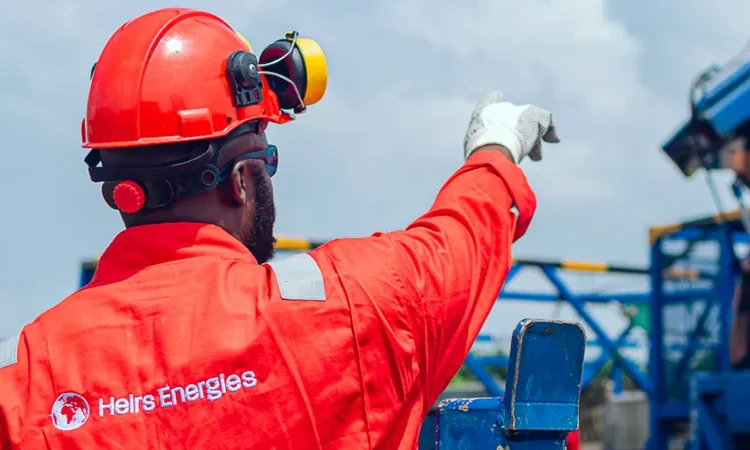
Heirs Energies has secured a landmark $750 million financing facility from the African Export–Import Bank (Afreximbank), marking one of the largest funding deals ever obtained by an indigenous African energy company.
The financing is expected to accelerate field development activities, strengthen production capacity and support the company’s long-term growth strategy in Nigeria’s oil and gas sector.
The deal was formally executed at a signing ceremony held in Abuja on December 20, attended by Tony O. Elumelu, Chairman of Heirs Energies, and George Elombi, President and Chairman of Afreximbank.
“This transaction is a powerful affirmation of what African enterprise can achieve when backed by disciplined execution and long-term African capital.”
Tony O. Elumelu, Chairman of Heirs Energies
Mr. Elumelu noted that the deal demonstrates how African financial institutions can partner African businesses to unlock value across strategic sectors. “This is Africa financing Africa’s future,” he added.
The scale of the transaction underscores growing confidence among African financial institutions in locally owned energy companies with strong operating track records.
Industry analysts say the deal signals a shift toward stronger local participation in energy financing, particularly as international lenders become more cautious about hydrocarbon investments.
From Turnaround to Growth at OML 17

Since taking over operatorship of Oil Mining Lease (OML) 17, Heirs Energies has focused on stabilizing and improving the asset’s performance.
The company implemented a strategy centered on restoring production, improving asset integrity and enhancing operational efficiency through brownfield development and infrastructure optimization.
This approach, the company said, has enabled a transition away from acquisition-led financing toward a more sustainable capital structure aligned with long-term reserve development.
By prioritizing operational improvements, Heirs Energies has been able to unlock value from existing infrastructure while laying the groundwork for future expansion.
The operational turnaround at OML 17 has translated into significant production gains. According to Heirs Energies, oil production has more than doubled since acquisition, rising from approximately 25,000 barrels per day to over 50,000 barrels per day.
Gas production has also increased substantially, climbing from about 50 million cubic feet per day to more than 120 MMcfd.
The company emphasized that all gas output is supplied to Nigeria’s domestic market, supporting power generation and contributing to national energy security.
This aligns with Nigeria’s broader policy objective of prioritizing domestic gas utilization to drive industrialization and reduce reliance on fuel imports.
Afreximbank Backs African Energy Champions
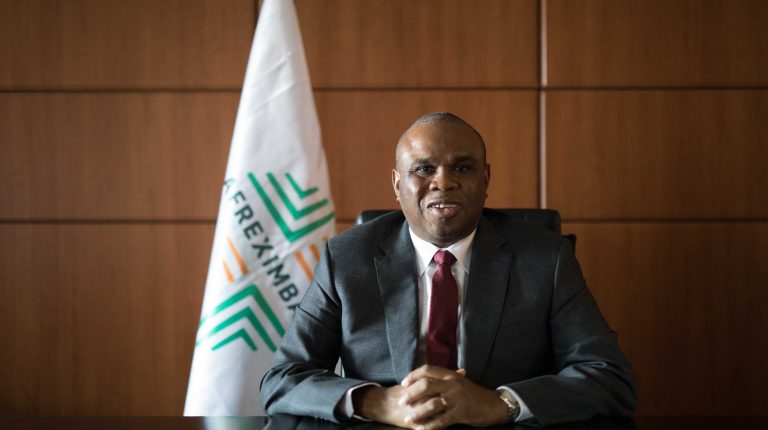
For Afreximbank, the transaction aligns with its mandate to support African companies that are driving economic transformation. Mr. Elombi said the bank views the financing as timely support for a critical phase in Heirs Energies’ evolution.
“Afreximbank is proud to support Heirs Energies at this pivotal stage of its growth,” he said. According to him, the facility reflects the bank’s confidence in the company’s leadership, governance framework and quality of assets.
He added that backing strong indigenous operators is essential to building resilient energy value chains across the continent.
The deal comes at a time when Nigeria is seeking to revitalize its oil and gas industry amid declining production and underinvestment. The success of Heirs Energies’ financing effort highlights the growing role of African financial institutions in bridging funding gaps and supporting local operators.
Analysts say the transaction could encourage other indigenous companies to pursue similar partnerships, helping to unlock capital for upstream development while retaining value within the continent.
As Heirs Energies moves forward with its development plans, the $750 million Afreximbank facility is expected to play a central role in sustaining production growth, strengthening domestic gas supply and reinforcing the case for African capital driving Africa’s energy future.
READ ALSO: BoG Governor Johnson Asiama Sets 10% NPL Target for Banks by End-2026 as Confidence Returns