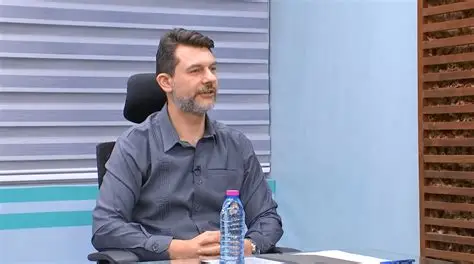
Dr Adrian Alter, IMF Resident Representative in Ghana, has cautioned the economic managers to avoid complacency due to the economic gains made in 2025.
He charged that 2026 will test Ghana’s ability to consolidate progress made. He, however, commended Ghana for overcoming the challenging economic times, such as rising inflation, mounting debt, and fiscal stress.
“Ghana’s economy has come a long way in 2025. After years of turbulence marked by fiscal stress, inflationary pressures, and debt vulnerabilities, the country has achieved significant stabilization under the IMF-supported Extended Credit Facility (ECF) program.
“These gains are encouraging, but they must not lead to complacency. The next phase will determine whether Ghana can consolidate progress and build a resilient, inclusive economy.”
Dr Adrian Alter, IMF Resident Rep in Ghana
Ghana’s Recovery and Stability
He recounted that Ghana’s economic growth rebounded strongly in the first three quarters of 2025, recording real GDP growth of 6 percent, driven by services, agriculture, and gold exports. While inflation stood at 23.8 percent at the close of 2024, it recorded a single digit of 6.3 percent in November 2025. This has restored confidence in the Cedi and boosted household purchasing power.
He also mentioned that disciplined expenditure management improved Ghana’s fiscal position. Ghana’s comprehensive debt restructuring has advanced well. He added that after the completion of the domestic debt operations and a Eurobond exchange in 2024, the country has successfully signed an MOU with official creditors. Ghana’s financing pressures have eased, and its debt sustainability prospects have improved.
Social protection programs, like LEAP and the school feeding program, have expanded to benefit more vulnerable households.
The Bank of Ghana (BOG) has built a strong FX reserve, smoothing access volatility in the value of the Cedi without fixing its rate.


He described the government’s steps to fix the energy sector challenges as bold. The government has also improved the Private sector investment environment, which has reduced the government’s borrowing and debt compilation.
He reiterated that the IMF Staff Report for the fifth review, which highlighted that amid the impressive progress made by the economy, there remain challenges that need attention.
He also noticed the growing instability in neighboring countries and how cross-border threats can disrupt trade, raise borrowing costs, and strain public resources. He cautioned that such threats affect financial institutions and economic activities. Ghana, therefore, needs to ensure that financial and national institutions remain strong.
“The achievements in 2025 reflect strong policy commitment and broad stakeholder support. They also underscore the benefits of staying the course on reforms.”
Dr Adrian Alter, IMF Resident Rep in Ghana
Opportunities and Challenges in 2026
He declared that the 2026 budget marks a shift from economic stabilization to resilience and more inclusive growth. The government intends to achieve a primary surplus of 1.5% of GDP, spend responsibly, and manage its debt. The Budget also revealed that the government is keen on job creation, infrastructure investment, and the support of social programs.
The new VAT Bill and improved digital systems at GRA will help widen the tax base and raise revenues. At the same time, spending will focus on projects that directly benefit Ghanaians, such as roads, energy, and agriculture. The budget also promises to protect vulnerable groups and ensure that public money is used wisely, laying the foundation for a more resilient and inclusive economy.
“The outlook for 2026 is positive but not without risks. Growth is projected to remain robust, inflation within the Bank of Ghana’s target band, and external buffers strengthened by continued current account surpluses.”
Dr Adrian Alter, IMF Resident Rep in Ghana
He alluded that “this positive outlook could be challenged by global commodity price volatility, regional security concerns, and the unfinished process of debt restructuring, which could weigh on confidence,” adding that “domestically, the financial sector requires continued vigilance, and governance reforms must accelerate.”
He also said that the gains of 2025 can be reversed if fiscal discipline falters or structural reforms stall.
Building Trust on the Path of Resilience
As Ghana ends the IMF program in May 2026, he cautioned that “it is not the finish line, but rather the starting point for a new chapter.”

He urged the government to continue reforms – fiscal responsibility, sound public financial management, and anti-corruption measures – to maintain credibility and investor confidence. Avoiding boom-bust spending cycles linked to elections is necessary for lasting stability. He also called on the government to modernize the tax administration, procurement reforms, and state-owned enterprises.
He insisted that the government should continue the process of rebuilding the trust of the citizenry. “Citizens need assurance that public resources are managed transparently and equitably,” he stated.
“Businesses need predictable policies and international partners need confidence in Ghana’s long-term commitment to sound economic management. Trust is the foundation for sustainable growth.”
Dr Adrian Alter, IMF Resident Rep in Ghana
In addition, he pointed out that “resilience must be embedded.” The shocks of recent years, he said, highlighted the need for buffers, both fiscal and external. The government must diversify the economy, invest in human capital, and strengthen social safety nets to help Ghana withstand future crises without derailing progress.
“Ghana has consistently demonstrated that determined policy action can restore stability and growth. The challenge has always been to sustain these gains beyond IMF programs and translate them into lasting prosperity.”
Dr Adrian Alter, IMF Resident Rep in Ghana
He concluded that “with continued reform, renewed trust, and a focus on resilience, Ghana can move beyond stabilization toward a future of inclusive and sustainable development,” adding that “the IMF stands ready to support Ghana’s macroeconomic stability and development needs.”
READ ALSO: Mahama Extends Christmas Felicitations, Reaffirms Resetting Ghana Agenda