Ghana’s recent economic improvements and successful debt restructuring are not enough, as the International Monetary Fund (IMF) cautions Ghana against reentering the Eurobond Market.
According to the IMF, Ghana should prioritize building credibility rather than returning to the Eurobond market. Ghana should further tighten fiscal consolidation and establish a robust macroeconomic framework that fosters sustained growth.
“The most pressing priority would be to establish enduring credibility by strengthening fiscal and growth fundamentals rather than precipitously reentering the Eurobond market or substantially intervening in the foreign exchange market to bolster the value of the Ghanaian Cedi.”
IMF
Ghana’s Top Short-term Priority
According to the IMF, while medium- to long-term reforms are being kindled for sustainable growth, a steady fiscal consolidation protects Ghana’s short-term priorities. The current good performance of the economy is not without macroeconomic encounters and intermittent fluctuations.
The Ministry of Finance and the Bank of Ghana should mitigate these understated yet profound challenges to secure gains. Ghana has made progress in its debt repayment and fiscal discipline, yet structural weaknesses linger.
The government should look beyond the applause to tackle the primary structural economic impediments that could hinder sustained gains and prevent a reversal of macroeconomic indicator performances.
“Maintaining momentum on fiscal consolidation to achieve fiscal sustainability is the top short-term priority. Despite recent improvements, Ghana continues to face significant macroeconomic challenges, including high debt, fiscal indiscipline, and weak revenue mobilization.”
IMF
Foreign Financing of indigenous Projects
Ghana has remained an active participant in the Eurobond market since 2007, driven by the need for foreign currency to finance infrastructure projects, manage existing debt, and support its national budget.
Ghana can access large sums of foreign capital (primarily U.S. dollars) unavailable domestically. These funds are intended to bridge the infrastructure gap and support economic initiatives.
Ghana has received strong international investor confidence, with its bond issuances often being heavily oversubscribed. In 2019, a US$ 3 billion issuance received over US$ 21 billion in offers, seven times oversubscription.
However, as debt accumulated, Ghana defaulted, leading to a negative credit rating. Ghana was, therefore, priced out of the Eurobond market in 2022. This led to a significant debt restructuring process, which included an exchange offer for its $13 billion outstanding Eurobond portfolio in late 2024.
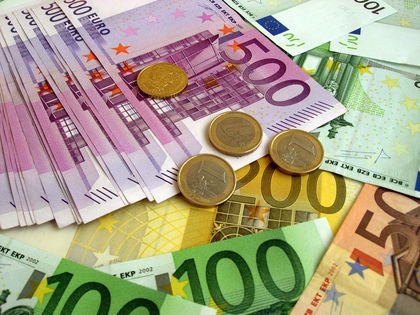
After the successful debt restructuring in October 2024, Ghana has resumed its debt service payments and is up to date on its 2025 obligations. The Ghana Eurobond Index (GEBX) tracks the performance of foreign-currency-denominated securities and serves as a benchmark for investors.
This demonstrates a commitment to fiscal discipline and an effort to restore investor confidence and market access for the future.
Ghana’s Progress in Eurobond Market Absence
The World Bank has also strongly cautioned Ghana against a premature return to the Eurobond market, warning that a hasty move could undermine credibility and lead to high borrowing costs. The World Bank, therefore, recommends focusing on domestic revenue mobilization and structural reforms first.
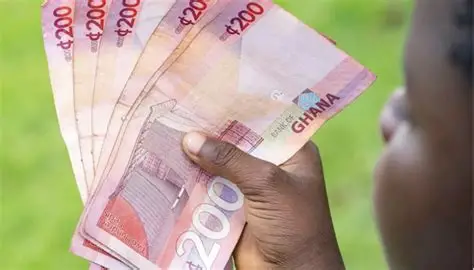
Ghana has managed well outside the Eurobond market in 2025 with notable gains and commendable foundational initiatives that will propel its developing economy to the next stage in its recovery and sustainability in 2026.
H.E. John Dramani Mahama, President of Ghana, has stated publicly that Ghana has managed without international borrowing and that the priority is consolidating the economy before considering external financing. It is a public spectacle, commended by both domestic and international bodies, of the government satisfying its post-restructuring debt service obligations to restore investor confidence.
While a return to the international market is inevitable yet not immediate, the government seeks to re-enter the domestic bond market first and then potentially the international markets when conditions are favorable and credibility is firmly established.
Analysts concluded that the previous heavy reliance on Eurobond borrowing was identified as a key contributor to the 2022 debt crisis. As the government aims to avoid a repeat of that ‘boom-and-bust’ cycle, it is further urged and reminded that Ghana can survive without a return to the international market, at least till structural reforms in the country are completed.
According to the government of Ghana, its current strategy focuses on maintaining fiscal discipline and relying on domestic resources and concessional financing from multilateral agencies until the economy is stable enough for a sustainable return to commercial international capital markets.
READ ALSO: Festive Calm Hits GSE: Share Volumes Plunge 97% as Indices Dip