
Major oil marketers in Nigeria have cautioned against overreliance on the Dangote Petroleum Refinery for the country’s petrol supply, warning that dependence on a single source is already creating operational challenges across the downstream market.
The concerns were raised by the Executive Secretary of the Major Energies Marketers Association of Nigeria (MEMAN), Mr. Clement Isong, as marketers continue to adjust to rapid changes in pricing and supply patterns following Dangote Refinery’s reduction of its gantry price from about N828 per litre to N699 per litre. The move has pushed pump prices down to around N739 per litre at many MRS filling stations nationwide.
“So many of my members, all my members, buy from the Dangote refinery.
“They all buy from him; it’s just that if everybody in Nigeria is buying from him, then from time to time he’s unable to meet their needs, what they want, when they want it, and how they want it.”
Mr. Clement Isong, Executive Secretary of MEMAN
According to him, this mismatch between supply availability and marketers’ requirements has forced operators to seek alternative sources, including imports or third-party suppliers who have access to imported fuel.

Isong noted that fuel supply is not only about volume but also about delivery modes, timing and location. He argued that relying on a single refinery or loading point creates unavoidable bottlenecks in a market as large and complex as Nigeria’s.
“It’s almost impossible for a single (petrol) source to be able to meet people’s needs when they want it, how they want it, when they want it.”
Mr. Clement Isong, Executive Secretary of MEMAN
He explained that marketers sometimes require products by vessel and at other times through gantry loading, often in varying quantities.
The reality of queuing at a single loading location, he added, makes it difficult for marketers to plan efficiently and keep all retail outlets consistently supplied.
Dry Stations Emerge Amid Supply Challenges

Despite widespread availability of petrol nationally, Isong confirmed that some filling stations operated by major marketers have run dry due to supply challenges linked to sourcing constraints.
“I was looking at some of my member stations I went to today; some stations are dry because of the challenges they are facing with the supply situation.
“But they all buy from Dangote. They all buy from him when they can and how they can.”
Mr. Clement Isong, Executive Secretary of MEMAN
He clarified that dry stations are not necessarily a sign of nationwide scarcity but reflect localized disruptions when marketers are unable to secure timely supplies from their preferred sources.
Isong praised the Nigerian Midstream and Downstream Petroleum Regulatory Authority for its planning ahead of the Yuletide season, noting that the issuance of import licences has helped prevent a more serious supply crunch.
He explained that when marketers fail to secure supplies from Dangote Refinery, they often turn to importers or third-party sellers. However, this comes at a higher cost.
“If you were unable to get from Dangote, the situation will be dry, unless you go and buy from an importer or somebody else… and that will come at a premium.”
Mr. Clement Isong, Executive Secretary of MEMAN
Volatile Prices Disrupt Supply Planning
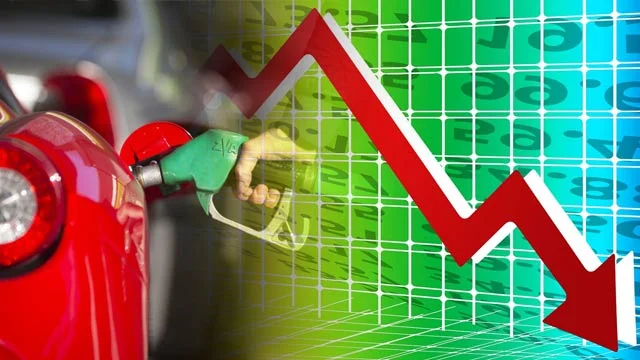
Beyond physical supply constraints, pricing volatility is emerging as a major headache for marketers. Isong described the current market situation as “quite chaotic,” noting that frequent price movements have made it difficult to plan purchases and manage inventory.
“There’s a glut. There are excess products in the country,” he said, dismissing fears of an impending fuel scarcity. He added that additional imported volumes are still entering the market, reinforcing the view that supply is sufficient at the national level.
However, he explained that marketers are deliberately avoiding bulk purchases due to the risk of sudden price drops. Buying large volumes ahead of a price crash, he warned, could result in significant financial losses.
As Nigeria navigates this transition, industry stakeholders argue that balancing competition, supply security and price stability will be critical to ensuring that consumers benefit without exposing marketers and producers to unsustainable risks.
READ ALSO: No Last-Minute Appointments, Contracts, and Asset Disposals after Electoral Defeat – CRC