

The Ghana Tertiary Education Commission has approved revised fees for the University of Ghana for the 2025/2026 academic year, bringing clarity to a matter that has generated public concern among students, parents, and other stakeholders in the tertiary education sector.
The announcement, issued on Monday, January 12, was signed by the Director General of the Commission, Ahmed Jinapor Abdulai. According to the statement, the approved fee structure is intended to promote transparency, consistency, and regulatory compliance while easing the financial burden on students.
Central to the Commission’s decision is the confirmation that the Academic Facility User Fee will remain unchanged from the 2024/2025 academic year. GTEC explained that maintaining the same level of charges under this category was a deliberate effort to protect students from additional financial pressure at a time when household incomes remain under strain.
The approved schedule outlines specific levies that students of the University of Ghana are required to pay during the 2025/2026 academic year. These include SRC dues of GH₵50, an SRC Development Levy of GH₵150, and a Graduate Students Association of Ghana Development Levy of GH₵250.
In addition, undergraduate students, including freshmen, are to pay a Telecel Broadband Levy of GH₵122, which is intended to support internet connectivity and digital learning infrastructure on campus.

One notable feature of the approved fees is a one off 75th Anniversary Levy of GH₵100. GTEC emphasized that this levy will apply only during the 2025/2026 academic year and will not be carried forward into subsequent years.
The Commission said the limited duration of the levy reflects its special purpose and ensures that students are not subjected to recurring charges beyond the anniversary period.
Beyond the numerical breakdown, the Commission stressed the importance of student awareness and choice. It noted that students must be adequately informed of their rights, including the option to opt out of certain levies where such provisions apply.
This, according to GTEC, is part of a broader effort to empower students with information and ensure fairness in the administration of fees across public tertiary institutions.
“This announcement seeks to resolve issues surrounding the 2025/2026 fee schedule for the University of Ghana. We are counting on the usual cooperation of all stakeholders to implement it effectively”.
Director General of the Ghana Tertiary Commission, Ahmed Jinapor Abdulai
The Commission added that the move forms part of its mandate to promote transparency, accountability, and compliance within the tertiary education sector.
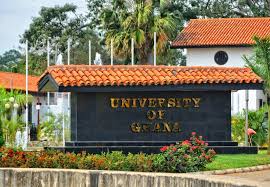
The release of the approved fees follows a period of heightened regulatory tension between the Commission and the University of Ghana. Earlier this month, GTEC directed the university to immediately reverse all fee increases implemented for the 2025/2026 academic year.
The directive came with a warning that serious regulatory sanctions could be imposed if the university failed to comply. In a letter dated January 5, 2026, and addressed to the Vice Chancellor of the University of Ghana, the Commission referred to an earlier directive issued on November 3, 2025.
That directive instructed all public tertiary institutions not to increase fees for the 2025/2026 academic year. GTEC stated that the instruction was issued to ensure uniformity and affordability across the public tertiary education system.
The Commission further gave the University of Ghana a deadline of January 12, 2026, to submit evidence demonstrating full compliance with the directives. This included documentation showing that any fee adjustments inconsistent with the Commission’s instructions had been reversed.
The release of the approved fee schedule on the same day appears to signal the Commission’s determination to assert its regulatory authority and bring closure to the matter.
GTEC’s intervention reflects broader concerns about rising costs in tertiary education and the need to balance institutional sustainability with student affordability. As the regulator of public tertiary institutions, the Commission has repeatedly emphasized that fee adjustments must follow due process and receive prior approval, especially in periods of economic difficulty.
For many students and parents, the confirmation that key fees, particularly the Academic Facility User Fee, will not increase offers some relief. At the same time, the publication of the approved levies provides a clear reference point and reduces uncertainty as students prepare for the upcoming academic year.

The Commission reiterated that compliance with approved fees is not optional and urged university authorities to adhere strictly to the outlined charges. It also encouraged students to report any deviations from the approved structure through appropriate channels, assuring them that such concerns would be addressed in line with existing regulations.
As the 2025/2026 academic year begins, the approved fee schedule is expected to guide financial planning for students while reinforcing the role of the Ghana Tertiary Education Commission as the central authority overseeing fairness and consistency in fee administration across the country’s public universities.
READ ALSO: Nadhim Zahawi Defects To Reform UK