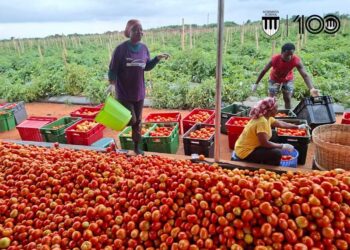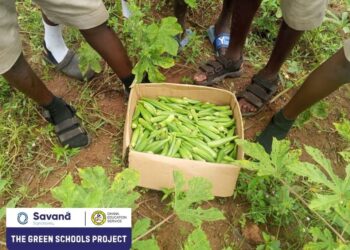
The National Seed Trade Association of Ghana (NASTAG) has announced a landmark 20-25% reduction in the price of certified seeds, a move designed to revitalize Ghana’s agricultural sector as it grapples with a destabilizing grain surplus.
Speaking on the development, Mr. Seidu Abdulai Mubarak, the President of NASTAG declared the price cut a “bold, farmer-centric investment,” aimed at easing the financial burden on producers ahead of the 2026 farming season. The initiative is also intended to accelerate the nationwide adoption of high-quality seeds, which are critical for enhancing productivity and building resilience against climate variability.
“By making quality seeds more accessible, we empower farmers to achieve higher yields, improve resilience to climate variability, and enhance their productivity and incomes. This price reduction is a bold, farmer-centric investment in Ghana’s agricultural future.
“We are ready to work hand-in-hand with the government, through the Feed Ghana program, to deliver quality seeds to every farm”
Seidu Abdulai Mubarak, President of the National Seed Trade Association of Ghana
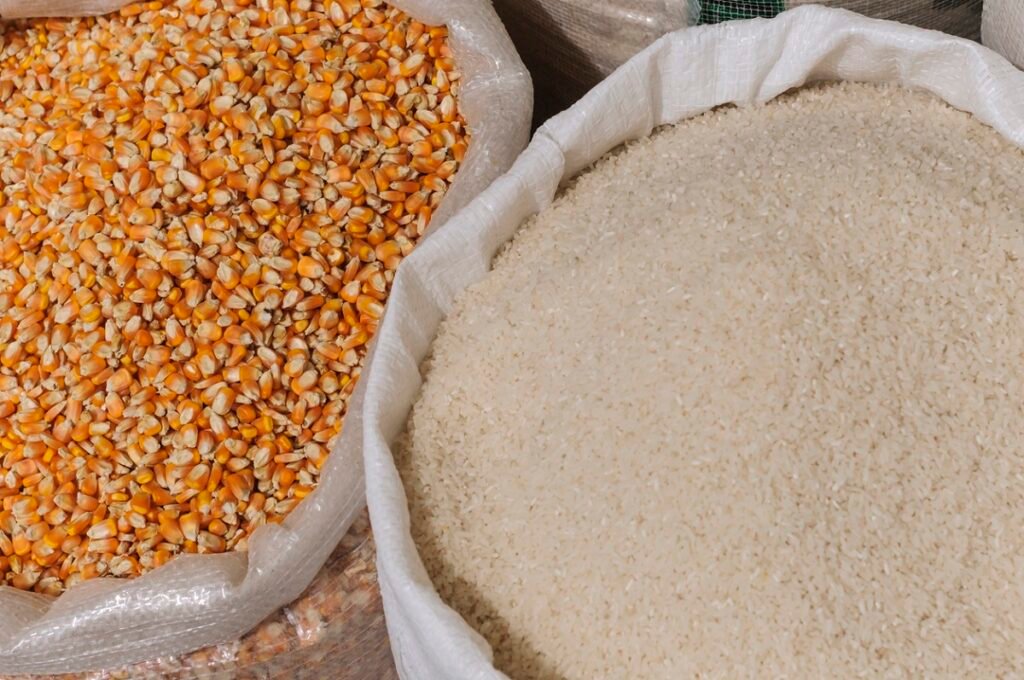
The price reduction comes at a time when Ghanaian farmers are facing a severe market glut of key staples, including maize, soya, and rice. For Mr. Mubarak, the decision to slash input costs is not just a gesture of support but a strategic necessity.
With prices for harvested grains plummeting due to oversupply, many farmers have been left without the capital needed to reinvest in their fields. By lowering the cost of entry for the next season, NASTAG hopes to break a devastating cycle that threatens future food security.
The Crisis of Plenty
In addition to the Association’s concerns is the “critically low demand,” that has characterized the market following a series of bumper harvests and a surge in imported grains. NASTAG reports that the entire agricultural value chain – from seed producers and aggregators to input dealers – is currently being stifled by this surplus.
Mr. Mubarak noted that the inability of farmers to sell their existing stocks at sustainable prices has created a liquidity crunch that undermines the very gains the government seeks to achieve through its “Feed Ghana,” program.
“NASTAG is deeply concerned about the current market glut situation affecting key staples, particularly maize, soya, and rice. This has led to critically low demand, plummeting prices, and a severe inability for farmers to sell their produce.
“This financial strain directly impedes their ability to purchase quality seeds for the next season, threatening future productivity and food security”
Seidu Abdulai Mubarak, President of the National Seed Trade Association of Ghana
To address this, the Association urgently petitioned the government to activate and scale up the National Food Buffer Stock Company (NAFCO) mechanisms. The goal is for the state to mop up the excess produce, providing an immediate cash injection to the rural economy.
Without this intervention, NASTAG warned that the surplus will continue to depress prices, discouraging investment and leading to massive post-harvest losses.

Strategic Partnerships
For the 2026 season to be successful, Mr. Mubarak called for a formal strategic partnership between NASTAG and the government’s flagship agricultural initiatives.
He believes that integrating seed distribution with agronomic support and awareness campaigns is the only way to ensure that the benefits of reduced seed prices translate into actual food security.
The Association is proposing a model where certified seeds are not just affordable but are backed by a robust technical framework that teaches farmers how to maximize their return on investment.
Furthermore, NASTAG advocated for a shift in trade policy. Mr. Mubarak suggested that the government should facilitate export pathways to neighboring West African countries that are currently experiencing cereal shortages.
“The ultimate solution to a consistent surplus is to develop competitive markets that absorb our supply and generate revenue for the country,” Mr. Mubarak said, arguing that by opening up these regional markets, Ghana can offload its domestic oversupply while generating much-needed foreign exchange.
Looking beyond immediate relief, the Association pushed for policies that stimulate local industrial demand for grains. This includes incentivizing the poultry and livestock industries to source maize and soya locally, as well as strengthening the domestic rice milling sector.
By building a consistent industrial consumer base, Ghana can create a permanent “pull factor,” that prevents the recurrence of these volatile gluts. As the 2026 planting season approaches, the focus remains on whether the government will respond to the call for a massive mop-up of current stocks.
For now, the 20-25% price cut on seeds remains the most significant private-sector intervention in the market, providing a glimmer of hope for farmers struggling to stay afloat in a market of plenty.
READ ALSO: GoldBod Signs Agreement with GCR to Implement Local Gold Refinery