
Ghana’s Minister for Finance, Dr Cassiel Ato Forson, has signaled a policy direction that could allow the Judiciary to utilise 100 percent of its Internally Generated Funds to support development and address critical operational needs.
The indication was given during a courtesy call by the Chief Justice, Justice Paul Baffoe Bonnie, highlighting renewed collaboration between the Ministry of Finance and the Judiciary to strengthen justice delivery in the country.
As part of the measures under consideration, Dr Forson disclosed that he is examining the possibility of allowing the Judiciary to utilise 100 percent of its Internally Generated Funds to address pressing operational and developmental needs.
Internally Generated Funds, which come from sources such as filing fees and court-related charges, are currently subject to controls that can limit how much institutions are able to deploy directly.
Allowing full utilisation of these funds could give the Judiciary greater flexibility to invest in priority areas, including expansion of court infrastructure, maintenance of existing facilities, acquisition of equipment, and administrative improvements.
Such flexibility may also help the Judiciary respond more quickly to emerging needs without overreliance on central budget allocations. The proposal points to a broader conversation about financial autonomy and accountability within the public sector.
While increased access to internally generated funds can enhance efficiency, it also requires strong governance structures to ensure transparency and responsible use of resources. The discussions, therefore, form part of an evolving approach to balancing operational independence with fiscal oversight.

The acknowledgment highlighted the importance of sustained financial support in maintaining court operations and enabling judges and court staff to fulfill their responsibilities effectively.
Judiciary’s Challenges: Courts Congestion
The meeting also created space for a broader discussion on persistent challenges confronting the Judiciary and possible solutions that require inter ministerial cooperation.
A major concern raised during the engagement was congestion in the courts, which the Chief Justice identified as a significant constraint to effective justice delivery. The growing volume of cases, coupled with limited court infrastructure and administrative capacity, has placed considerable pressure on the judicial system.
These conditions often result in delays in case resolution, affecting litigants, legal practitioners, and public confidence in the administration of justice. Justice Baffoe Bonnie outlined a number of solutions currently being pursued to ease congestion and improve efficiency within the courts.
While details of these measures were not extensively discussed publicly, the Chief Justice indicated that they form part of ongoing efforts by the Judiciary to modernise its operations and enhance access to justice across the country.
Improving Judiciary’s Working Conditions
In addition to congestion, the Chief Justice raised concerns about the working conditions of the Judiciary. Issues relating to the state of court facilities, logistical support, and general operational resources were highlighted as factors that directly affect the performance and welfare of judges and court staff.
Improving these conditions, he noted, is essential for sustaining professional standards and ensuring that justice is delivered fairly and efficiently. Dr Forson responded by reaffirming his commitment to working closely with the Judiciary and the Ministry of Justice to address these challenges.
He emphasized the need for collaboration among state institutions, particularly where financial policy and justice sector administration intersect. “I am committed to working closely with the Judiciary and the Ministry of Justice to tackle these challenges,” he stated, signaling openness to reforms that support institutional effectiveness.
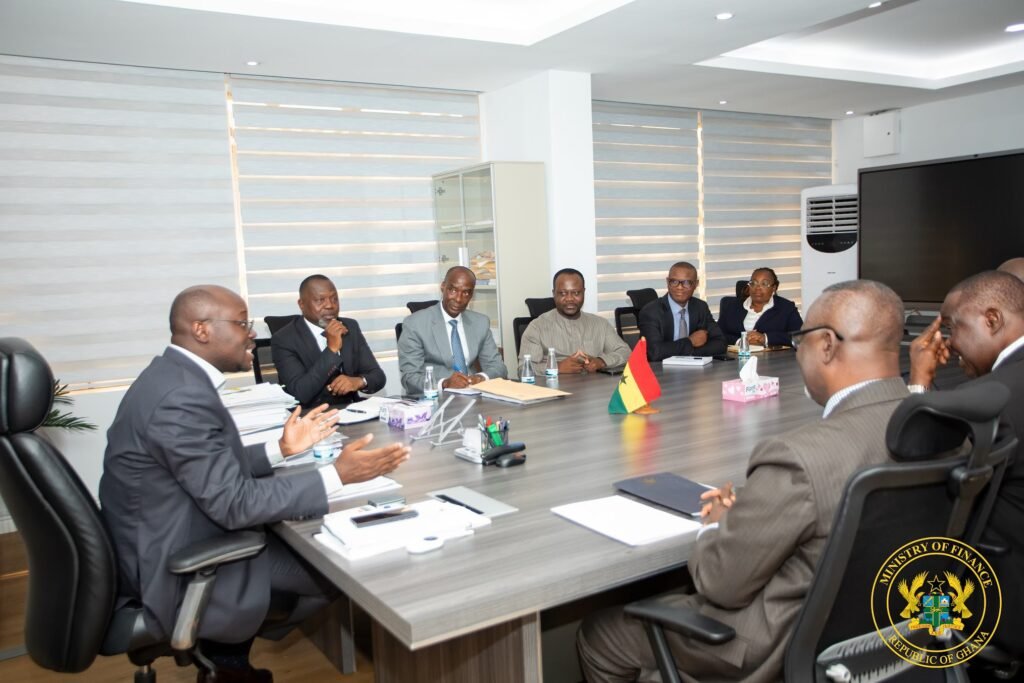
Earlier today, Dr Forson received the Chief Justice at the Ministry of Finance. The visit was attended by Supreme Court Judge Justice Gabriel Pwamang, the Acting Director of the Ghana School of Law, Professor Raymond Atuguba, and the Judicial Secretary.
The Attorney General and Minister for Justice, Dr Dominic Ayine, was also present, reflecting a coordinated engagement across key justice sector institutions. According to Dr Forson, the Chief Justice explained that the visit was intended to express appreciation for the Ministry of Finance’s support to the Judiciary.
Interconnected Nature of Reforms
The presence of the Attorney General and Minister for Justice at the meeting underscored the interconnected nature of reforms within the justice sector. Effective justice delivery depends not only on the courts, but also on legal education, prosecution, and policy coordination.
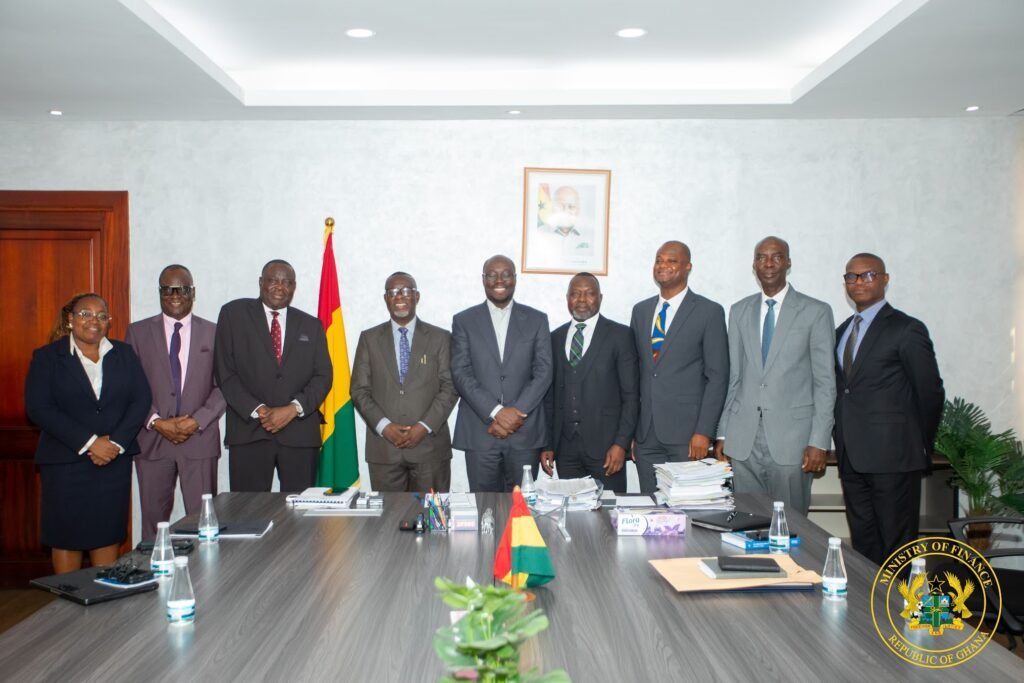
Aligning the efforts of the Ministry of Finance, the Ministry of Justice, and the Judiciary is therefore seen as critical to achieving lasting improvements. Although no formal policy announcement was made, the engagement signaled a constructive tone and a shared willingness to confront long standing challenges within the Judiciary.
For the public, the discussions offer an indication that concerns about court congestion, working conditions, and resource constraints are receiving attention at the highest levels of government. As Ghana continues to strengthen its democratic institutions and uphold the rule of law, the capacity of the Judiciary remains central to national development.
Dr Forson’s signal on the possible full use of Internally Generated Funds reflects an effort to support judicial development through practical financial measures, while fostering cooperation across the justice sector.