The International Monetary Fund’s extraordinary financial intervention during the COVID-19 pandemic played a crucial role in stabilising African economies, including Ghana, at a time of intense global economic disruption.
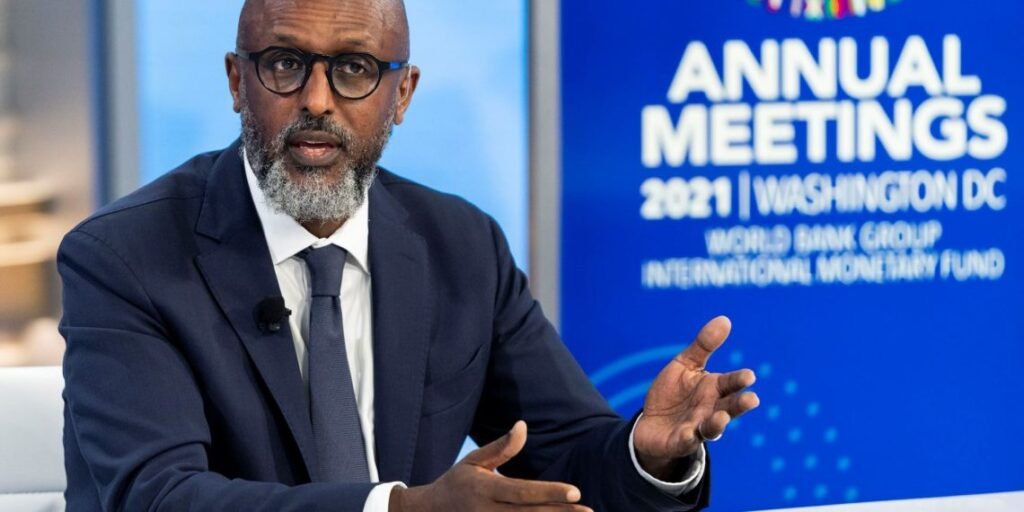
According to the Director of the IMF’s African Department, Abebe Aemro Selassie, the Fund provided about 70 billion dollars in financing to Sub-Saharan Africa after the outbreak of the pandemic, representing the largest level of support ever extended to the region within such a short period.
Mr Selassie explained that the scale of IMF assistance since March 2020 far exceeded historical levels of financing to Africa. When COVID-19 was declared a global pandemic, African economies were struck by multiple shocks at once, including collapsing commodity prices, reduced export revenues, shrinking remittances and declining donor inflows. These challenges placed enormous strain on public finances and threatened macroeconomic stability across the continent.
Africa Faced Severe Economic Shocks
Many Sub-Saharan African countries found themselves confronting some of the most severe economic challenges in their history. Lockdowns disrupted production and trade, tourism revenues collapsed and supply chain interruptions slowed economic activity. Governments were forced to increase spending on health systems and social protection at a time when revenues were falling sharply.
Mr Selassie noted that this combination of shocks created an urgent need for external financing. In response, the IMF rapidly ramped up its support, deploying emergency financing instruments and fast-tracking disbursements to help African countries weather the storm. The 70 billion dollars provided, he said, was several times higher than what the Fund had historically offered the region during previous crises.
Ghana’s Experience During the Pandemic
Ghana was not immune to the economic fallout from COVID-19. The pandemic disrupted domestic economic activity, reduced tax revenues and widened fiscal deficits, while external pressures affected the balance of payments. With limited fiscal space and rising expenditure needs, the country faced difficult policy trade-offs as it sought to protect lives and livelihoods.
IMF financing played a key role in cushioning Ghana’s economy during this period. The support helped address urgent balance of payments needs, stabilise the cedi and ensure the continued importation of essential goods, including medical supplies. It also enabled the government to sustain critical public spending at a time when access to international capital markets had become more constrained.
Stepping In as Other Financing Dried Up
Mr Selassie stressed that the IMF’s role was particularly important because other sources of financing were drying up. Global financial markets were highly volatile, investor appetite for emerging and frontier markets declined and donor inflows came under pressure as advanced economies focused on managing their own domestic crises.
In this challenging environment, IMF resources served as a vital financial lifeline for Ghana and many other African countries. The Fund’s intervention helped prevent deeper economic contractions and reduced the risk of financial instability at a moment of heightened global uncertainty.
Beyond Emergency Financing
While the immediate focus was on crisis response, the IMF’s engagement with Africa, including Ghana, extended beyond short-term financing. Mr Selassie highlighted the Fund’s continued efforts to strengthen institutions responsible for macroeconomic management across the continent. These include revenue authorities, finance ministries and central banks, which play a critical role in maintaining economic stability.
In Ghana, such institutional support has aimed at improving fiscal management, strengthening monetary policy frameworks and enhancing domestic revenue mobilisation. These reforms are essential for building resilience against future economic shocks and supporting sustainable growth over the medium to long term.
IMF’s Role During Times of Crisis
Mr Selassie observed that while the IMF maintains regular engagement with member countries in normal times, its role becomes most visible during severe crises. The COVID-19 pandemic was one of the most significant global economic disruptions in recent history, and African countries were particularly vulnerable due to structural weaknesses and limited buffers.
The Fund’s swift response demonstrated the importance of multilateral cooperation during global emergencies. By providing timely and scaled-up financing, the IMF helped countries avoid disorderly economic adjustments, protect social spending and maintain macroeconomic stability when domestic resources were insufficient.
As Ghana continues its economic recovery and implements reforms to strengthen resilience, the lessons from the pandemic remain highly relevant. The experience has underscored the need for strong institutions, prudent macroeconomic management and access to reliable external financing during periods of global stress.
READ ALSO:Ablakwa Pledges Improved Protection for Ghanaian Students Abroad