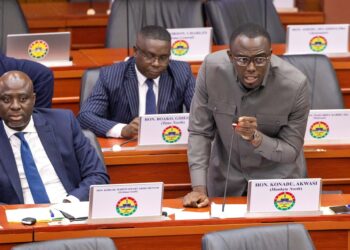
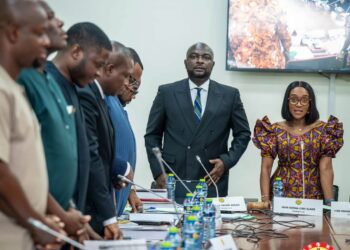
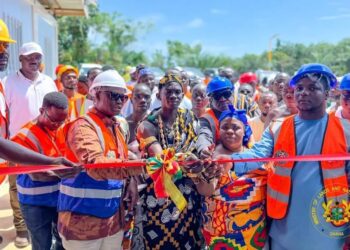
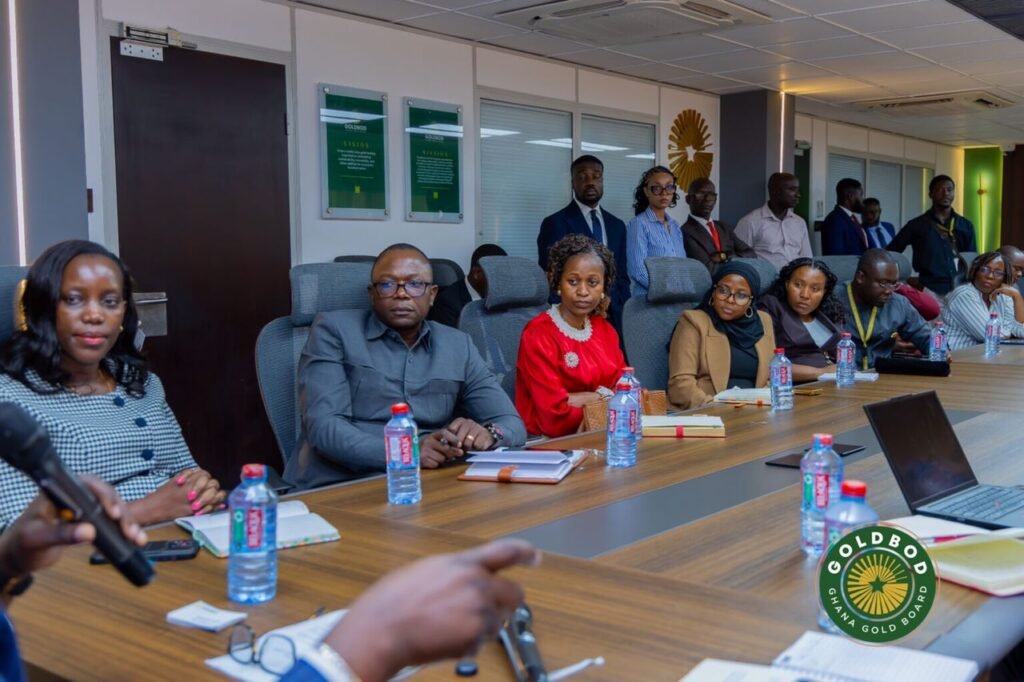
Tanzanian Minerals Commission represented by a 15-member delegation visited Ghana Gold Board (GoldBod) to gain insights into the entity’s operations and Ghana’s regulatory framework for the precious minerals sector.
The technical exchange was designed to allow the East African nation to understudy Ghana’s pioneering gold governance model that has transformed its minerals sector over the last year.
By examining the centralized operations of GoldBod, the Tanzanian team sought practical strategies to modernize its own mineral management systems and enhance domestic resource mobilization.
“GoldBod’s core mandates include supporting reserve accumulation and generating foreign exchange for the country, positioning the institution as both a natural resource management and an economic agency. The establishment of GoldBod was driven by the need to formalise Ghana’s gold sector, which had operated largely informally for many years. Licensing for gold buying, refining, and jewellery fabrication has been restricted to Ghanaians, in line with provisions of the GoldBod Act.”
Ghana Gold Board

The mission focused on the institutional architecture established by the Ghana Gold Board Act, 2025 (Act 1140), which consolidated fragmented agencies into a single, formidable regulator.
During the engagement, the delegation explored Ghana’s innovative gold-buying protocols and the stringent licensing regime that has successfully formalized the artisanal and small-scale mining (ASM) sub-sector.
Dr. Theresia Numbi, the leader of the Tanzanian delegation, emphasized that Ghana was selected as a “centre of excellence” due to its proactive local content policies and its status as a continental pioneer in mineral value-chain integration.
Strategic Formalisation and Local Content
A cornerstone of the discussions was the restrictive licensing framework that prioritizes Ghanaian sovereignty within the gold value chain.
Under Act 1140, licensing for key activities including gold buying, refining, and jewellery fabrication—is strictly reserved for citizens, a policy designed to maximize in-country value retention.
Richard Nunekpeku, Esq., GoldBod’s Deputy CEO, detailed the four distinct licensing categories that have streamlined the industry and effectively curtailed the influence of unregulated foreign actors.
This “Ghana-first” approach has not only enhanced regulatory oversight but has also provided a blueprint for Tanzania as it seeks to address the influx of foreign intermediaries that often undermine local participation.
Mr. Nunekpeku noted that these formalisation efforts had “significantly reduced the influx of foreign actors in the gold sector,” a challenge that previously hindered national oversight.
Deepening Bilateral Mining Cooperation

This engagement serves as a critical catalyst for deepening bilateral ties between Accra and Dodoma, signaling a shift toward South-South cooperation in the extractive industries.
By choosing to learn from a fellow African nation rather than seeking external consultants, Tanzania is aligning with the African Mineral Vision (AMV), which advocates for regional knowledge sharing and the harmonization of mineral policies.
The visit facilitates a direct peer-review mechanism, allowing both countries to compare pricing mechanisms, royalty payment structures, and foreign financing models.
This technical synergy is expected to lead to future memoranda of understanding (MoUs) regarding cross-border mineral trade and joint efforts to combat gold smuggling across the continent.
Such cooperation fosters a unified African voice in global mineral markets, ensuring that the “pioneer and centre of excellence” status of Ghana benefits the wider East African region through shared best practices.
Technological Innovation and Economic Stability
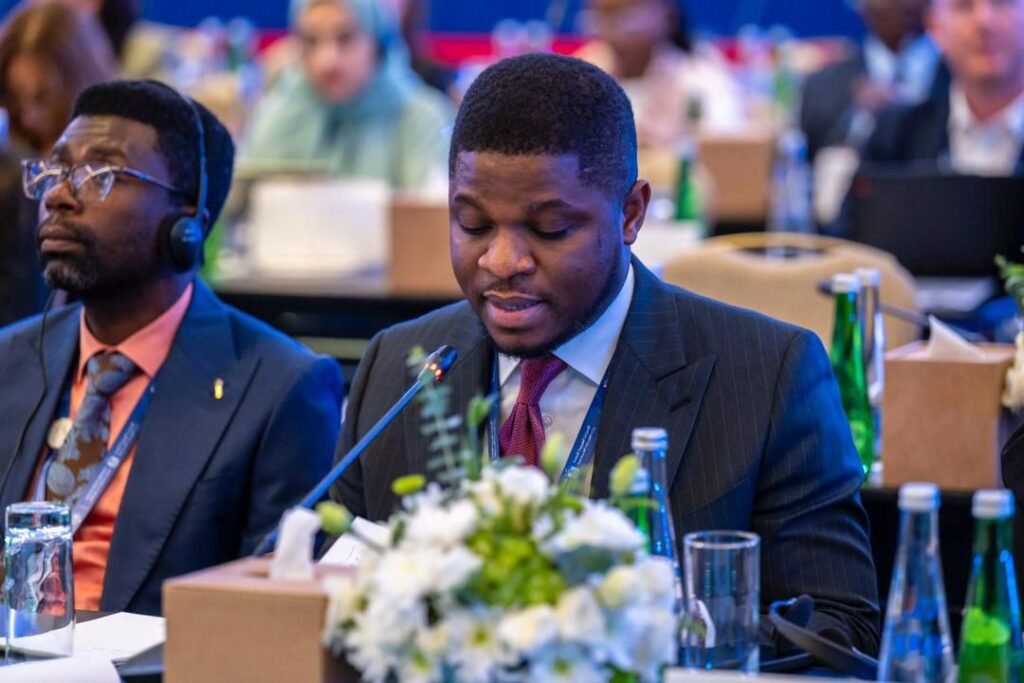
Beyond legal frameworks, the delegation expressed keen interest in the economic stability afforded by GoldBod’s role in Ghana’s “Gold-for-Reserves” strategy.
By centralizing the purchase of gold from small-scale miners, the Board has provided the Bank of Ghana with a reliable mechanism for accumulating bullion, thereby stabilizing the local currency.
The Tanzanian officials also discussed the integration of environmental sustainability goals into mining operations, a portfolio led by Prof. Ishmael Quaicoe, ensuring that economic growth does not come at the expense of ecological integrity.
This holistic approach to governance provides Tanzania with a comprehensive roadmap for balancing profit with planet and people.
Mr. Nunekpeku acknowledged that while formalizing a historically informal sector “had not been without challenges,” the results within less than a year of establishment were “notable.”
The visit concluded with technical sessions led by various GoldBod directors, including Dr. James German (Mining Operations) and Dr. Ernest Odei (Corporate Affairs), who provided granular insights into the day-to-day management of gold aggregators.
As Tanzania prepares to implement similar reforms, the success of the GoldBod model stands as a testament to the power of legislative clarity and institutional autonomy.
This partnership underscores a growing trend where African mining giants are no longer looking outward for solutions but are instead building a collective fortress of mineral expertise.
READ ALSO: Ghana Strengthens China Ties Through 24H+ Mission