Prominent governance experts have cautioned that surface-level harmony may do little to address the New Patriotic Party’s (NPP) deeper structural challenges as the party prepares for its presidential primaries scheduled for January 31. Concerns are mounting over whether the party’s leadership is focusing on the right priorities, while party elders and aspirants have rallied around a peace pact aimed at preserving unity.
Chief Executive Officer of the Ghana Shippers’ Authority, Professor Ransford Gyampo, has warned that the NPP risks overlooking its most critical task: reconnecting with its grassroots supporters who disengaged during the last general election.
Professor Gyampo likened the party’s current strategy to “constructing a huge tower building without digging down a solidified foundation,” arguing that elite consensus cannot substitute for a mobilised and motivated base.

His remarks follow a high-profile meeting convened by the NPP, which brought together party elders and the five presidential aspirants to sign a peace pact committing themselves to unity and acceptance of the primary results.
While acknowledging the symbolic value of the initiative, Prof. Gyampo questioned its practical impact. He described the peace pact as “good for the optics” but warned that appearances alone cannot deliver electoral victory if ordinary party supporters remain disillusioned.


“All over the world, I know that both Boklana and mass political parties are powered by their base,” he said, underscoring the central role of grassroots participation in competitive politics.
Grassroots Disengagement a Lingering Problem
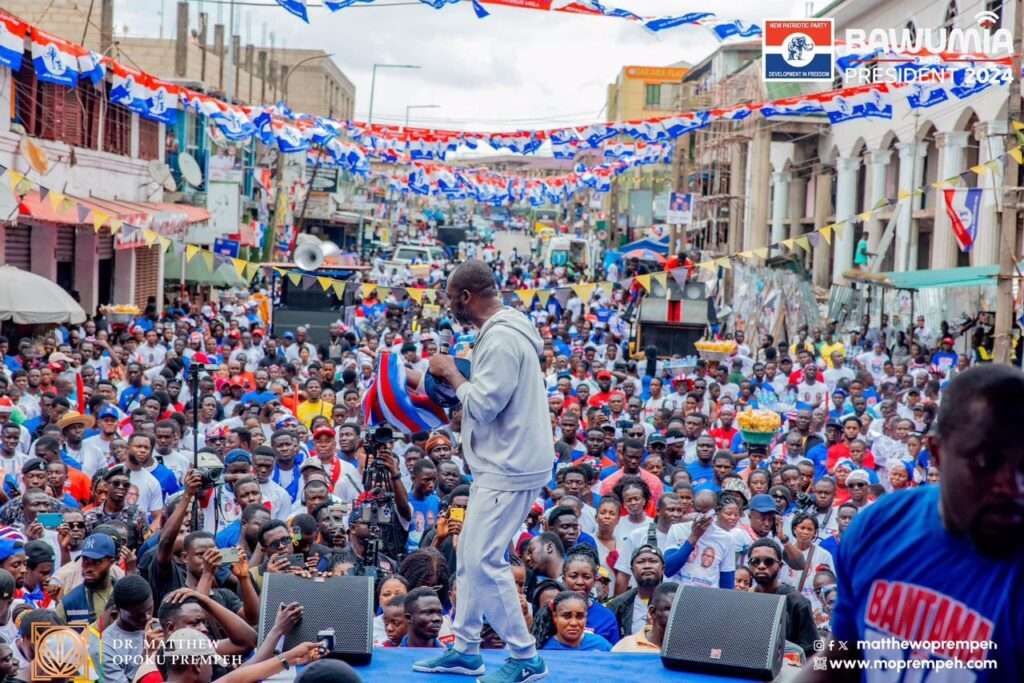
Prof. Gyampo’s critique strikes at the heart of the NPP’s post-election introspection. He noted that party figures themselves have admitted that low base turnout contributed significantly to the NPP’s defeat in the previous general election.
“So if you yourself argue that in the previous election, your own base did not vote for you, or your own base decided not to vote, then if you are trying to contest another election, it depends on you to do… what is necessary and what is important: rebrand and rejuvenate your base.”
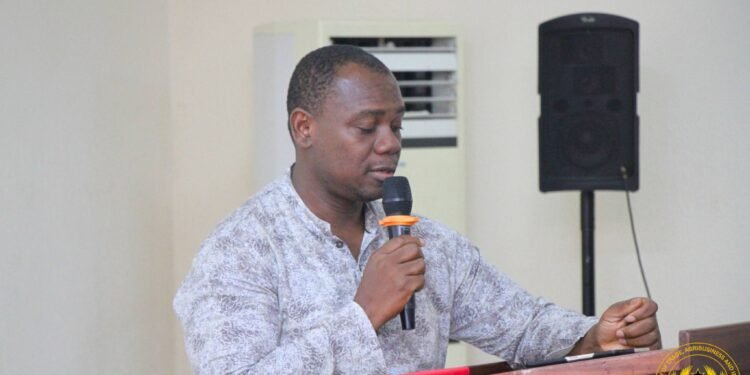
Professor Ransford Gyampo, Chief Executive Officer of the Ghana Shippers’ Authority
According to Prof. Gyampo, the scale of the party’s electoral loss should have triggered a comprehensive rebranding and outreach campaign focused squarely on grassroots members and sympathisers.
In his view, that process should have preceded elite-level negotiations and public unity displays. “Who does that?” he asked rhetorically, reinforcing his belief that no political organisation can be rebuilt from the top down.
As the January 31 contest approaches, attention is increasingly shifting to what happens after a flagbearer emerges.
Prof. Gyampo suggested that the real challenge will be whether the eventual winner can move swiftly from intra-party rivalry to the harder work of rebuilding trust and enthusiasm at the base.
“Given the kind of defeat suffered, I would have gone for the rebranding,” he concluded, making clear that, in his assessment, the party’s priorities appear reversed.
Akufo-Addo’s Peace Appeal Questioned

Adding another layer to the debate, former Tamale Central MP Inusah Fuseini has cast doubt on the sincerity of President Nana Akufo-Addo’s role in the peace pact process. Hon. Fuseini argued that while the President is widely admired for his eloquence, his speeches often lack genuine conviction.
“Nana Akufo-Addo is noted for grandstanding. He will make all the speeches, but he never believes in those speeches,” Hon. Fuseini claimed, in comments that have drawn sharp reactions from political observers.
He added, with biting sarcasm, “I’m sure they are tapping each other and asking if it’s the beard that makes him old.”
The comments followed Akufo-Addo’s appearance at the peace pact signing ceremony in Accra, where he urged aspirants to accept the outcome of the primaries and place party unity above personal ambition. He referenced the NPP’s 1992 primaries and invoked biblical wisdom to stress the importance of cohesion.
However, Hon. Fuseini, a senior figure in the opposition National Democratic Congress, dismissed the ceremony as largely performative.
He pointed to what he described as a pattern in Akufo-Addo’s political career, citing past rhetoric on vigilante groups and the “new civilization” agenda. “This is grandstanding. From vigilantes to new civilization… Grandstanding,” he asserted.
While acknowledging that “all of us know in this country that Akufo-Addo has the gift of the gab,” Hon. Fuseini argued that powerful speeches mean little if they are not matched by firm belief and decisive action.
Unity Beyond Words
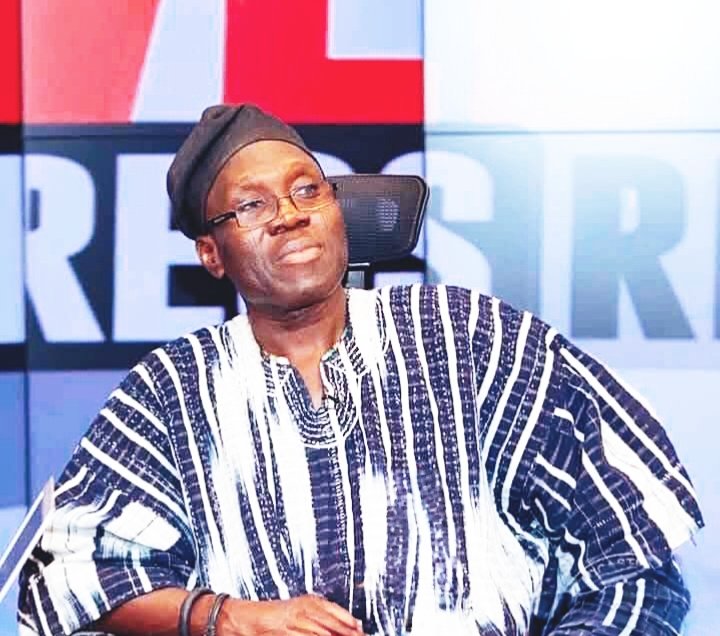
Hon. Fuseini’s remarks have cast a shadow over the NPP’s carefully choreographed show of unity. With intense competition among aspirants, party elders are eager to project discipline and cohesion ahead of the primaries.
Yet, for critics, the real test will come after the ballots are counted. As Fuseini put it, unity should not require repeated pledges. “Who doesn’t know this?” he asked, likening party loyalty to national allegiance.
As the NPP heads into a crucial internal contest, the tension between symbolism and substance remains unresolved, raising questions about whether peace pacts and polished speeches can compensate for an unsettled base.
READ ALSO: COPEC Warns Price Floors Distort Deregulated Fuel Market