Minority Caucus in Parliament has called for the immediate resignation of the Minister of Lands and Natural Resources, Hon. Emmanuel Armah-Kofi Buah, following the controversial withdrawal of the lithium mining lease agreement from the floor of Parliament.
This demand stems from what the opposition described as a monumental policy failure and a breach of public trust regarding the management of the nation’s “green mineral” resources.
The caucus argues that the Minister’s decision to pull the agreement for “further consultation” after a period of vigorous and often aggressive defense of its terms highlights a lack of transparency and a fundamental inability to secure a deal that prioritizes the sovereign interests of the Ghanaian people.
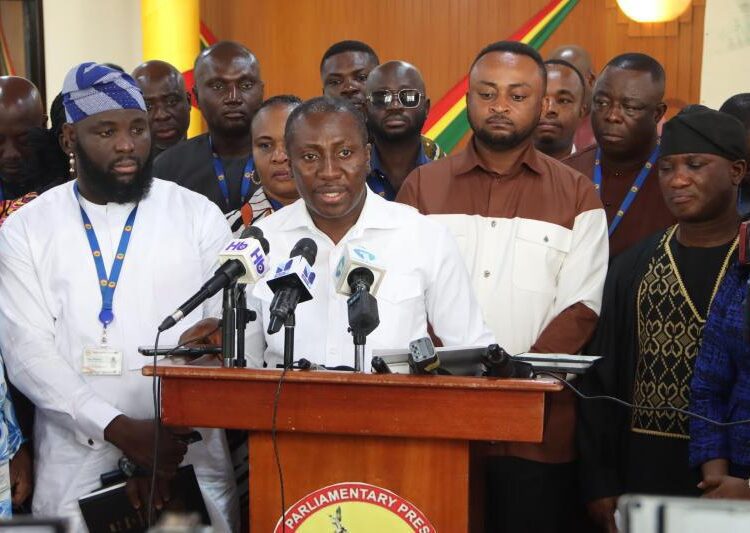
“We reiterate again the call on the Minister of Land and Natural Resources to resign because he failed the people of Ghana. He defended it, and now he came back to withdraw it. That alone amounts to a serious mischief.”
Hon. Afenyo Markin, Minority Leader.
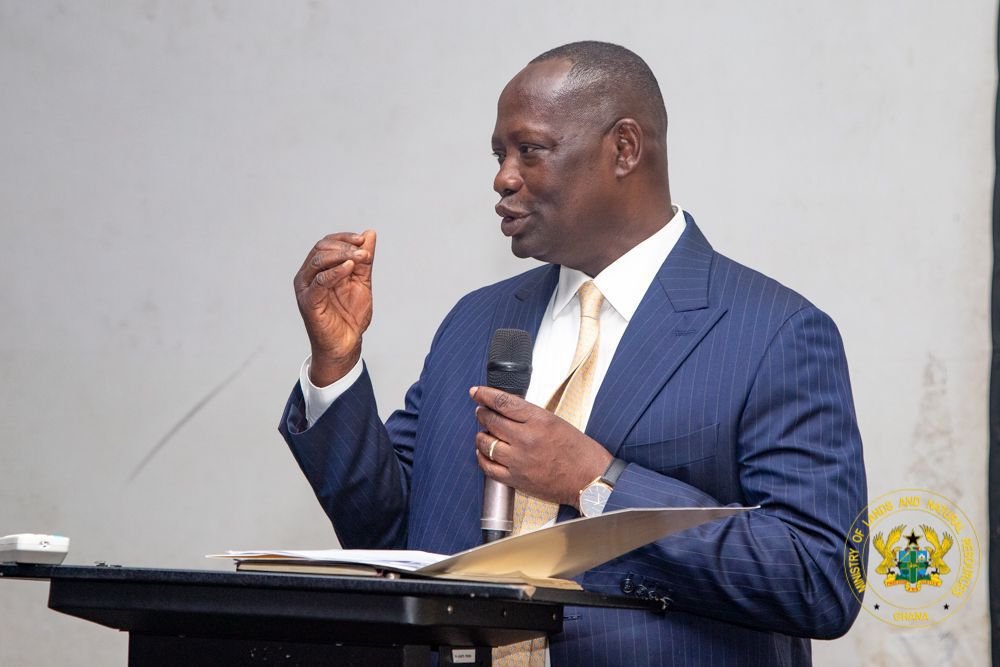
This escalation follows weeks of intense parliamentary debate over the Ewoyaa Lithium project, where the Minority interrogated a significant reduction in state royalties from an initial 10% to a mere 5%.
Critics point out that the National Democratic Congress (NDC), while in opposition, had vehemently questioned the original framework, yet upon assuming the reins of government, they reintroduced the agreement in what has been described as an even “worse state.”
The Minority Leader, Hon. Alexander Afenyo-Markin, emphasized that the Minister’s recent “back door” withdrawal, prompted only after mounting pressure from civil society and the parliamentary minority, exposes a calculated attempt to bypass rigorous scrutiny.
The Minority maintains that the Minister’s shifting positions on the fiscal terms of the Barari DV Ghana Limited deal have undermined the nation’s negotiating leverage in the global extractive sector.
The Royalty Conflict and Legislative Lapses
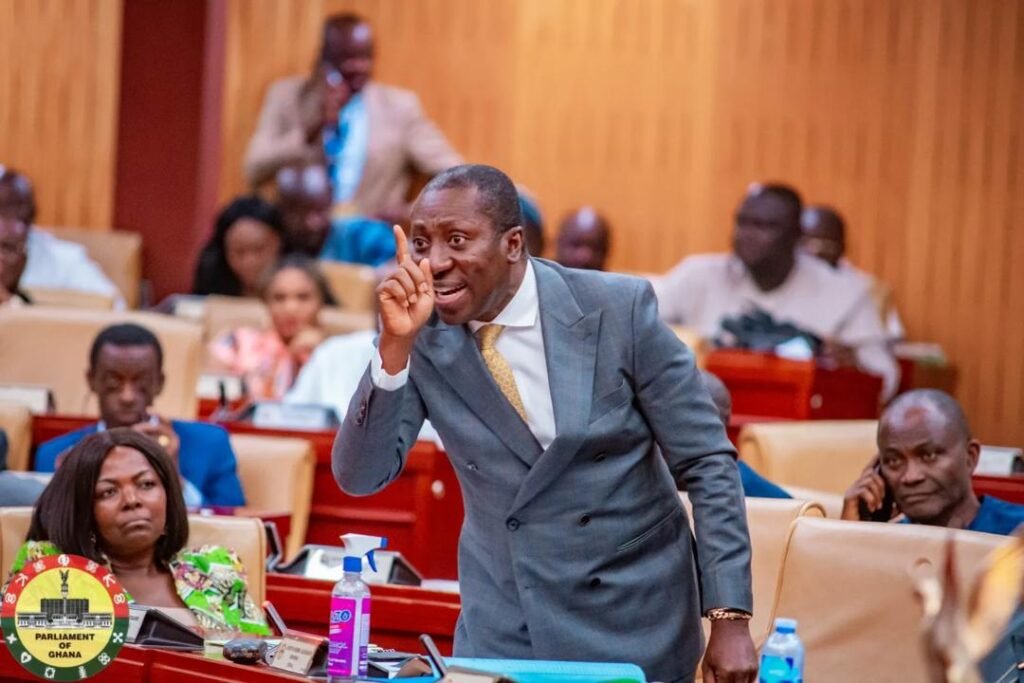
At the heart of the controversy is the drastic slash in royalties, which the government justified by citing a sharp decline in global lithium prices dropping from approximately $3,000 per tonne to roughly $630.
However, the Minority remains unconvinced, asserting that the company was previously willing to operate under a 10% regime even during price volatility.
“The minority interrogated the reduction in royalties from 10% to 5%,” Afenyo-Markin noted, highlighting that the “lapses in the transparency of the whole agreement” were ignored until the public outcry became deafening.
The opposition contends that the government’s claim of needing “further consultation” is a belated admission of guilt, questioning why such due diligence was not performed before the Minister “challenged the sincerity of the minority” on the House floor.
Policy Inconsistency and the “Back Door” Withdrawal
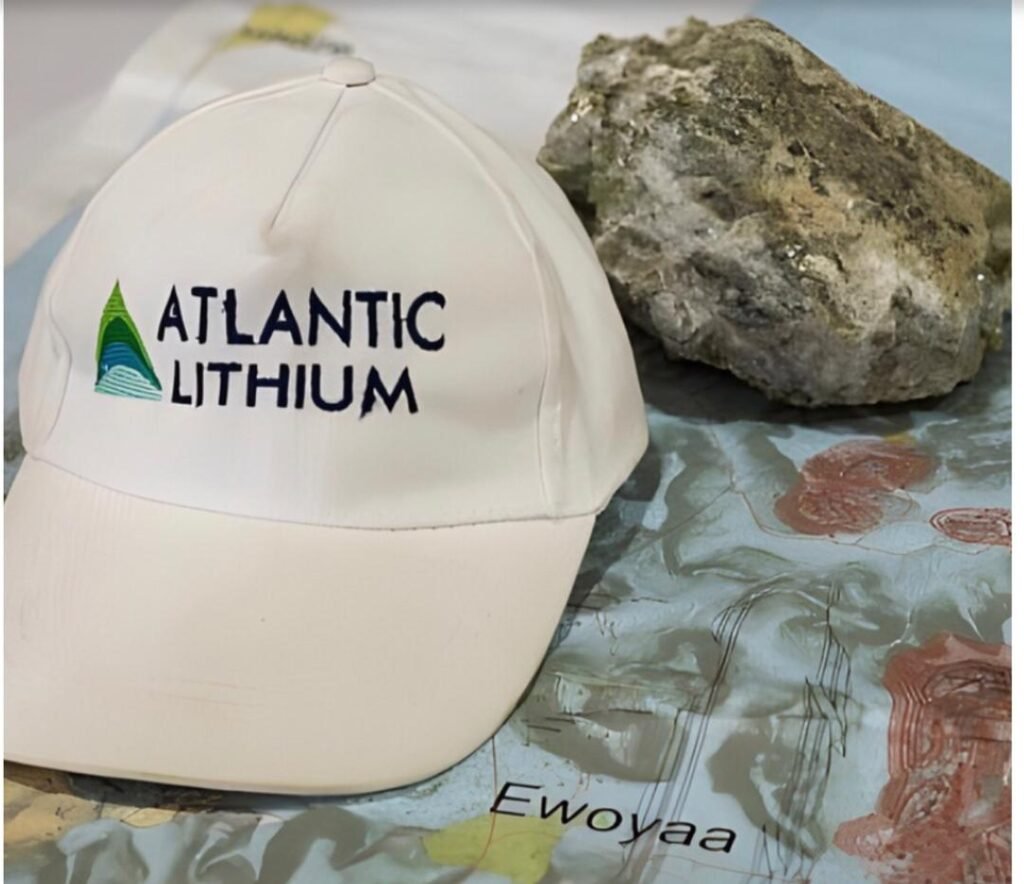
The current state of the lithium deal is one of legislative limbo. After the agreement was reintroduced, it was met with fierce resistance from policy think tanks like IMANI Africa, which flagged the fiscal structure and valuation assumptions as deeply flawed.
The government’s sudden retreat is viewed by extractive experts as a “policy failure that the Minister cannot get away with.”
By withdrawing the paper after it had already been laid for ratification, the Ministry has inadvertently validated the Minority’s concerns regarding the “sincerity” of the negotiation process.
This move has sparked a broader debate on whether the current administration is merely replicating the extractive governance failures of the past rather than pioneering a new standard for critical minerals.
Future Outlook for Ghana’s Green Minerals
As it stands, the Ewoyaa project intended to be Ghana’s first lithium mine remains stalled as the Ministry attempts to “recalibrate” its approach.
The Minority insists that being “fair to the people of Ghana” requires a total overhaul of the agreement rather than minor tweaks.
The demand for the Minister’s resignation serves as a warning that any future extractive deals will be met with a “zero-tolerance” policy regarding transparency lapses.
For now, the eyes of the global mining community remain fixed on Accra, waiting to see if the government can salvage its reputation by producing a framework that reflects the true value of Ghana’s lithium reserves in the burgeoning global energy transition.
READ ALSO: NNPC, Chevron Strike Hydrocarbons at Awodi-07 Well