Mobile money (MoMo) transactions in Ghana reached an unprecedented GHS 518.4 billion in December 2025, solidifying the platform’s role as the primary engine of the national retail payment system.
According to the latest Bank of Ghana (BoG) Summary of Economic and Financial Data, this record-breaking figure represents the highest monthly value in 2025, largely propelled by a surge in consumer spending during the festive season and the deepening integration of digital finance into daily commerce.
Transaction volumes followed a similar upward trajectory, climbing to 982 million in December – a significant leap from the 892 million recorded just a month prior. The data also highlighted a robust expansion in financial inclusion, with active mobile money accounts rising to 26.7 million by year-end.
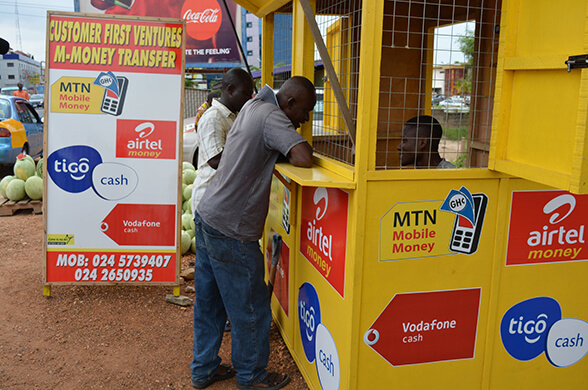
This growth is supported by a sprawling logistics backbone of 491,000 active agents, who continue to bridge the gap between physical cash and digital assets, particularly in underserved rural enclaves. The total number of registered accounts has now reached 80.5 million, reflecting the high rate of multi-platform adoption among Ghanaians as they seek more versatile financial tools.
The December figures underscore the growing dominance of digital payments in the country’s financial system. This expansion is not merely seasonal; it reflects a fundamental shift in consumer behavior and a sustained confidence in mobile wallets as a secure and liquid store of value.

As balances held on wallets hit GHS 39.6 billion, it is clear that MoMo has moved beyond simple transfers to become a critical component of national wealth management.


Outpacing Traditional Banking
A striking revelation in the BoG report is the widening gap between mobile money and traditional banking instruments. While MoMo transactions exceeded half a trillion Cedis in a single month, traditional cheque transactions amounted to only GHS 37.3 billion.
Even high-speed electronic channels like GhIPSS Instant Pay (GIP), which recorded GHS 73.3 billion, remain significantly smaller than the mobile money ecosystem. This disparity suggests that for the average Ghanaian consumer and small business, the mobile phone has effectively replaced the bank branch for retail operations.
The increase in wallet balances to GHS 39.6 billion – the highest level recorded in 2025 – indicates that users are increasingly comfortable keeping large sums within the digital ecosystem. This stickiness of capital provides the BoG and financial institutions with a vast pool of digital liquidity that can be leveraged for broader economic stability.
Strengthening Interoperability
Mobile money interoperability (MMI) also saw a significant boost during the holiday period. Transaction values for cross-network transfers rose to GHS 5.8 billion in December, up from GHS 4.9 billion in November.
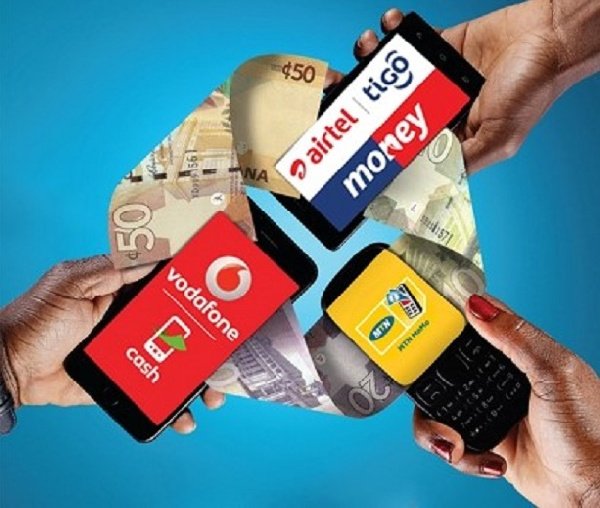
This seamless movement of funds between different service providers has been a key driver of the “cash-lite” agenda, allowing for frictionless trade between merchants and customers regardless of their mobile network affiliation.
Interoperable transactions have strengthened the digital payment ecosystem by removing the barriers to cross-network transfers. This functionality was particularly vital during the December festive period, supporting a record volume of peer-to-peer and merchant payments that kept the national economy fluid during a peak consumption window.
As Ghana enters 2026, the BoG anticipates that the combination of agent expansion and the government’s 24-hour economy policy will further accelerate digital transaction growth. With more businesses expected to operate round-the-clock, the demand for instant, reliable, and secure 24/7 payment solutions will likely push MoMo transaction values to new heights.
The bank’s report suggests that the “digital-first” trend is now irreversible, with traditional paper-based instruments continuing to play a diminishing role in the broader financial landscape.
With the infrastructure now in place to support nearly a billion transactions a month, the focus for 2026 will shift toward enhancing the security of these digital channels.
The growth in registered accounts to 80.5 million provides a massive foundation for the next phase of financial innovation, including micro-insurance and credit products delivered entirely through the mobile wallet.
READ ALSO: Lawmakers Demand Noem’s Exit Amid Minneapolis Killings