
The Ministry of Education Ghana has directed the Ghana Tertiary Education Commission (GTEC) to immediately withdraw its earlier letters on post-retirement contracts for senior academic staff in public universities, marking a significant development in ongoing tensions within Ghana’s tertiary education sector.
The directive, issued on April 27, 2026, affects letters dated September 30 and October 1, 2025, which outlined policies regarding the engagement of academic staff beyond the statutory retirement age. The move follows concerns raised by stakeholders, particularly the University Teachers Association of Ghana (UTAG), over the potential impact of the policy on university operations and staff welfare.
The Ministry explained that the withdrawal is intended to allow for broader consultations with relevant stakeholders before any final decision is made. This approach, it said, is necessary to ensure that any future policy direction reflects consensus, supports institutional sustainability, and serves the best interests of Ghana’s higher education system.
Minister Halts Policy Implementation
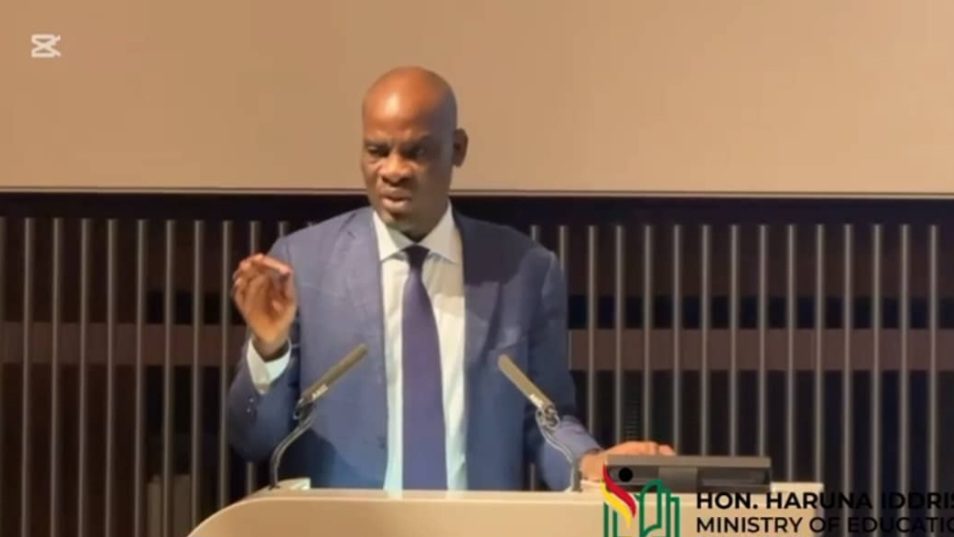
The decision comes after a meeting between the Education Minister and UTAG leadership, during which concerns about the implementation of the directive were discussed. UTAG and other stakeholders had raised objections, arguing that the policy could disrupt academic calendars, affect teaching continuity, and create uncertainty for senior faculty members.
Post-retirement contracts play a crucial role in Ghana’s universities, allowing experienced lecturers and professors to continue contributing to teaching, mentorship, and research. Many institutions rely on such arrangements to maintain academic standards, especially in specialised fields where experienced personnel are limited.However, recent actions by GTEC had sparked controversy, with critics suggesting that the directives were introduced without sufficient consultation.
Some stakeholders also warned that abrupt enforcement of retirement-related policies could negatively affect ongoing academic programmes and supervision of graduate students. The Ministry’s intervention is therefore seen as a step toward easing tensions and preventing potential industrial action within the university system. It also signals the government’s willingness to revisit contentious policies through dialogue rather than unilateral enforcement.
Stakeholders Demand Broader Consultations
The issue of retirement and post-retirement contracts has been a recurring source of tension within Ghana’s tertiary education sector. In recent months, both teaching and non-teaching unions have called for a review of policies affecting retirement timelines and contract extensions.
Some unions have argued that existing conditions of service allow staff to extend their tenure to the end of the academic year, rather than retiring strictly based on their birth month. They have warned that enforcing rigid retirement timelines without consultation could disrupt academic schedules and administrative planning.
The concerns extend beyond teaching staff, with non-academic unions also criticising aspects of GTEC’s directives. They have described some of the policies as unfair and lacking stakeholder engagement, further highlighting the need for inclusive policy formulation.
By directing the withdrawal of the letters, the Ministry has effectively created space for renewed dialogue among key players, including university management, academic unions, and regulatory authorities. Observers believe this could pave the way for a more balanced and widely accepted policy framework.
Ministry Assures Inclusive Engagement
In its statement, the Ministry reaffirmed its commitment to a transparent, inclusive, and consultative approach in addressing issues within the higher education landscape. It emphasised that sustainable reforms can only be achieved through collaboration and mutual understanding among stakeholders.The directive also highlights broader governance challenges within Ghana’s tertiary education system, where tensions between regulatory oversight and institutional autonomy have become increasingly evident.

Previous disputes involving GTEC directives on retirement and compliance have affected universities such as the University of Cape Coast, underscoring the complexity of managing higher education institutions. For many academic staff, the Ministry’s decision offers temporary relief and reassurance that their concerns are being taken seriously. It also allows universities to maintain continuity in teaching and research while discussions continue on the future of post-retirement engagements.
Looking ahead, stakeholders expect a comprehensive review of the policy that will consider factors such as staffing needs, succession planning, and the retention of institutional knowledge. The outcome of these consultations will likely shape the future of employment practices within Ghana’s universities.Ultimately, the withdrawal of the GTEC letters represents more than just a policy pause.
It reflects a broader effort to strengthen governance in the education sector through dialogue and consensus. As Ghana continues to expand access to tertiary education, the need for carefully balanced policies that support both regulation and institutional flexibility remains critical.
READ ALSO: Ghana Must Invest in Skills Training, Iddrisu Warns