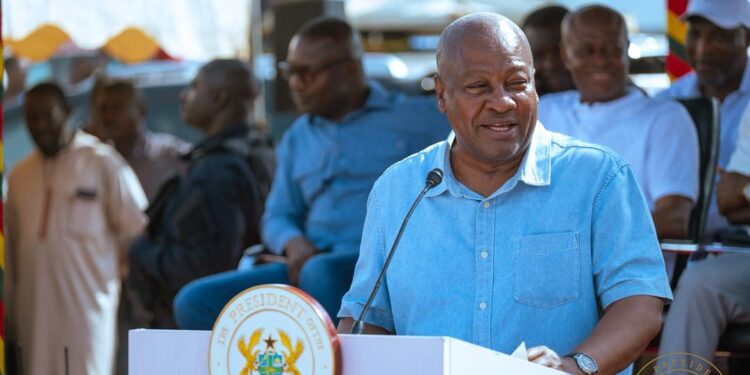
President John Dramani Mahama says districts across Ghana are witnessing faster development following the implementation of government’s policy to transfer 80 percent of the District Assemblies Common Fund directly to local assemblies.
According to the President, the policy has significantly improved the flow of resources to district assemblies, allowing them to undertake development projects more efficiently and without the prolonged delays that previously affected local governance.
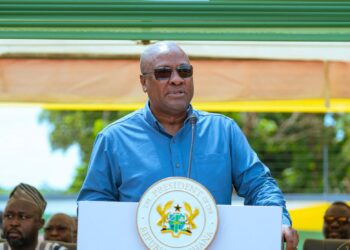
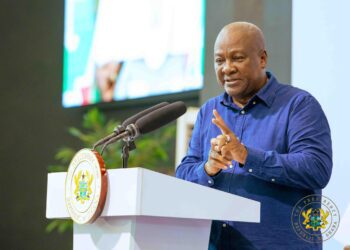
He made the remarks during a Citizen Engagement event held as part of his Resetting Ghana Tour of the Savannah Region, where he addressed residents on government policies and ongoing development initiatives.
“One of the first things we did was to pass a policy that said that 80% of the District Assemblies Common Fund should be transferred directly to the districts”.
President John Dramani Mahama
Previous Delays and Arrears
President Mahama explained that under the previous administration arrangements, district assemblies often received less than half of the funds allocated to them, with payments also delayed for long periods.



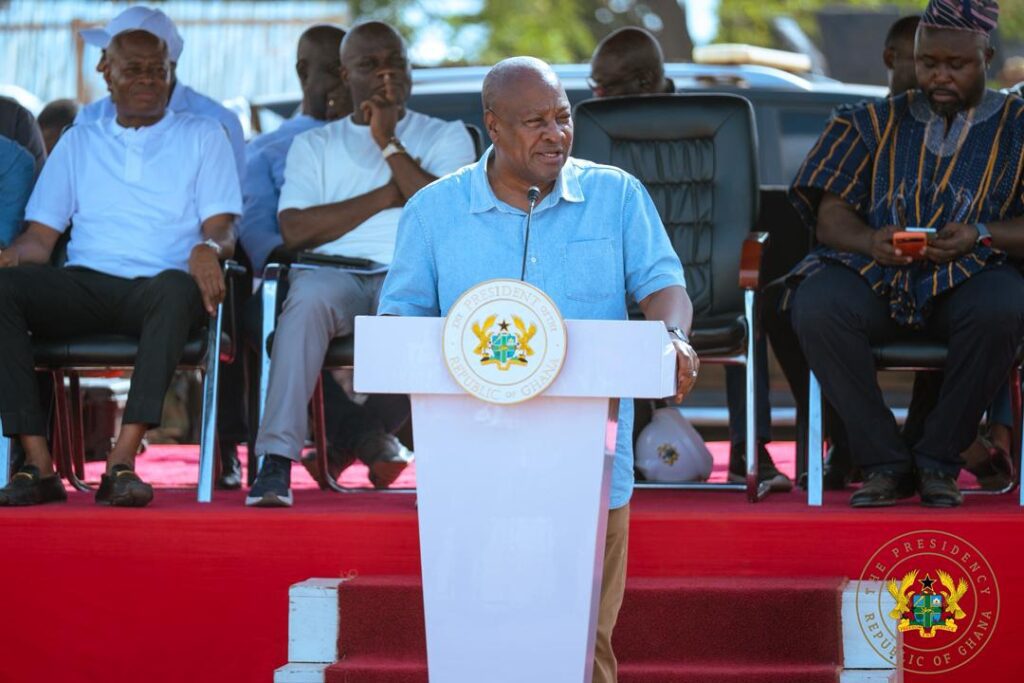
He noted that records available to government showed that barely 40 percent of the Common Fund was reaching the districts in the past, while arrears created additional financial difficulties for assemblies.
According to him, the situation limited the ability of local authorities to implement projects and respond quickly to the needs of communities. He said the new arrangement has changed the situation considerably, with district assemblies now receiving allocations on time after the end of each quarter.
“Today, as I speak, all the DCEs will testify to it, that 80% of their money is received, and it is received in a timely manner,” he said.
The President further explained that once the Ministry of Finance completes quarterly calculations, allocations are immediately transferred through the Ministry of Local Government to the District Assemblies Common Fund system for disbursement.
Development Projects Expanding Across Districts
President Mahama said the improved release of funds has accelerated development activities in several districts, even without direct intervention from the central government.
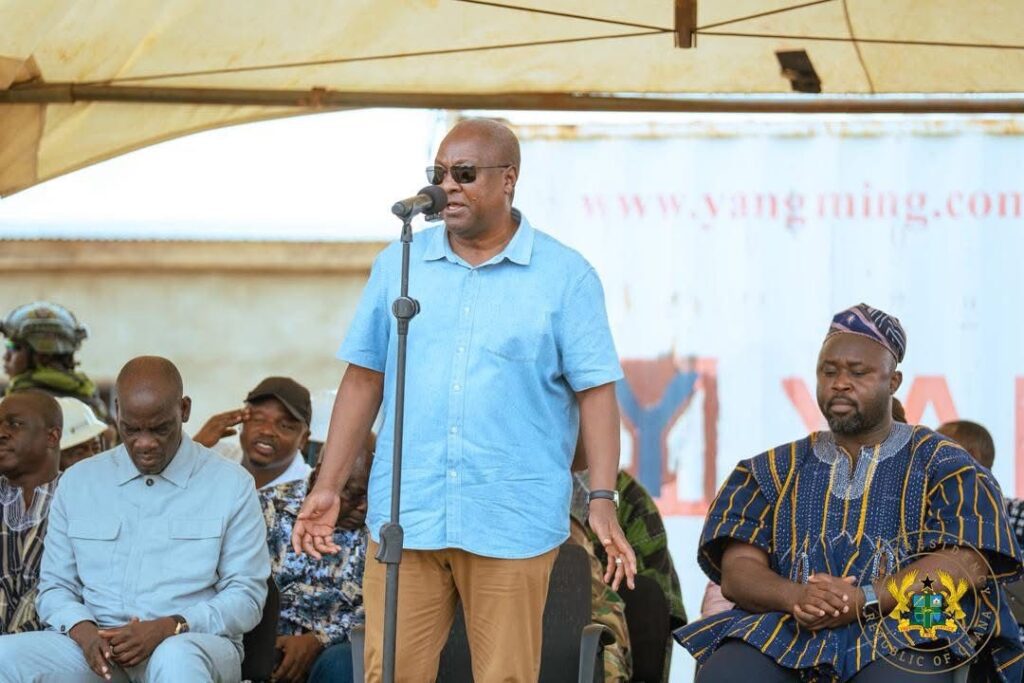
He pointed to the construction of Community-based Health Planning and Services compounds, schools, and 24-hour model market facilities as evidence of the policy’s impact.
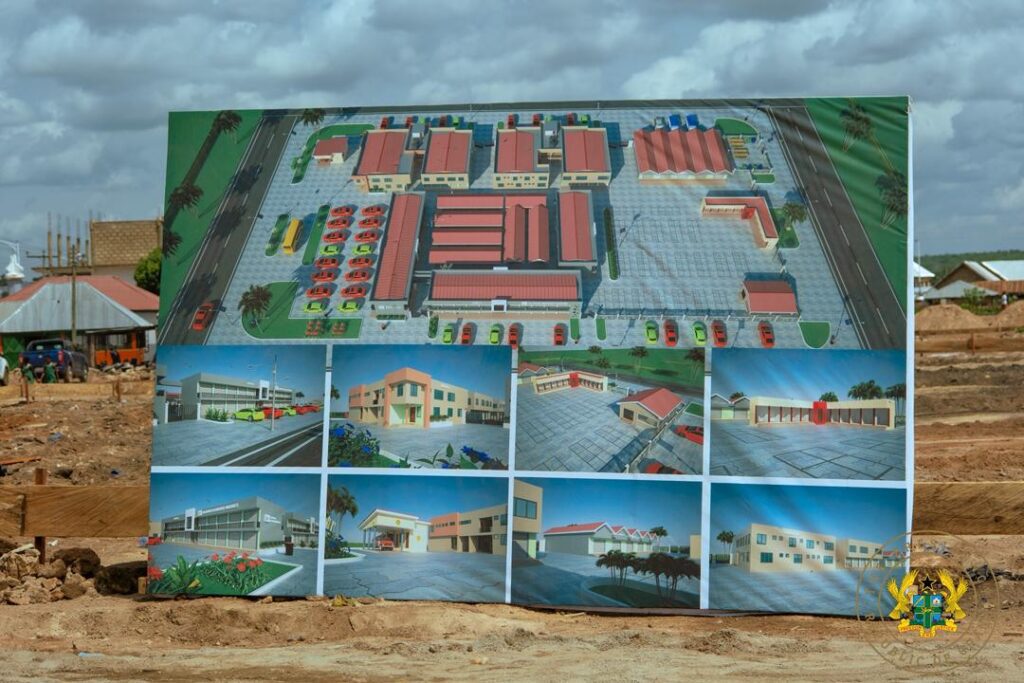
The President specifically highlighted the government’s 24 hour economy market initiative, which he said is being implemented across all districts in the country. According to him, sod cutting ceremonies have already begun in some districts, including Bole in the Savannah Region.
Markets as Economic Growth Centres
President Mahama described markets as critical drivers of economic activity within communities, particularly in agricultural districts where farmers depend on regular access to buyers and trading centres.
He said the new market infrastructure projects are intended to support commerce, improve local trade, and increase circulation of money within district economies.
“This will stimulate economic activity, because markets are places where farmers have the opportunity to sell their goods, so they are outlets for sale of agricultural products. More importantly, they are centres where the currency circulates among the population”.
President John Dramani Mahama
The President illustrated how markets function as centres of exchange where commodities such as maize, soya beans, and groundnuts are traded daily while cash transactions support livelihoods and local commerce.
Decentralisation and Grassroots Development
The President’s comments formed part of broader discussions on decentralisation and the need to strengthen district assemblies through direct access to financial resources.
He maintained that empowering local authorities with greater financial independence would allow communities to determine and pursue their own development priorities more effectively.
The policy could strengthen decentralisation efforts if district assemblies continue to receive predictable funding and improve accountability in the use of public resources. President Mahama’s remarks also reflected the government’s broader focus on community-based infrastructure development under the Resetting Ghana agenda.
By increasing direct transfers to district assemblies, government expects local authorities to accelerate investments in healthcare, education, and market infrastructure while improving service delivery at the grassroots level.
The Savannah Region engagement formed part of the President’s continuing nationwide tour aimed at interacting with citizens and explaining government policies directly to local communities.
READ ALSO: Black Starlets Miss World Cup Chance After Falling To Uganda