World Health Organization (WHO) has unveiled a new global technical package aimed at helping governments and communities tackle drowning, one of the world’s leading yet preventable causes of death, particularly among children and people living in low- and middle-income countries.
Launched ahead of World Drowning Prevention Day, the World Health Organization’s “PROTECT” technical package provides countries with seven evidence-based strategies designed to reduce drowning deaths through stronger water safety policies, improved emergency preparedness and enhanced public education.
The launch comes amid growing concerns over the rising impact of climate change on drowning risks, as increasingly frequent floods, storms and heatwaves expose more people to dangerous water conditions across the globe.
According to the World Health Organization, nearly 300,000 people die from drowning every year, making it one of the ten leading causes of death among children aged between five and 14 years.
Moreover, over 90% of these fatalities take place in low- and middle-income nations, where access to water safety infrastructure, rescue services, and swimming instruction is frequently still restricted.
Many drowning incidents occur in rivers, lakes, wells, domestic water storage containers and swimming pools, underscoring the need for comprehensive prevention measures that extend beyond beaches and recreational water environments.
Additionally, research highlighted by WHO indicates the expanding concern. In the United Kingdom, studies indicated that drowning deaths increase by 7.2% for every one-degree Celsius rise in temperature. The risk of drowning is roughly five times higher on days when temperatures surpass 25°C than on days below 10°C, demonstrating the intimate association between excessive heat and water-related mortality.
In light of this, WHO advises countries to move beyond awareness campaigns and implement real initiatives that can avert needless deaths.
According to WHO Director-General, Dr Tedros Adhanom Ghebreyesus, “every drowning is a tragedy, and most are preventable.”
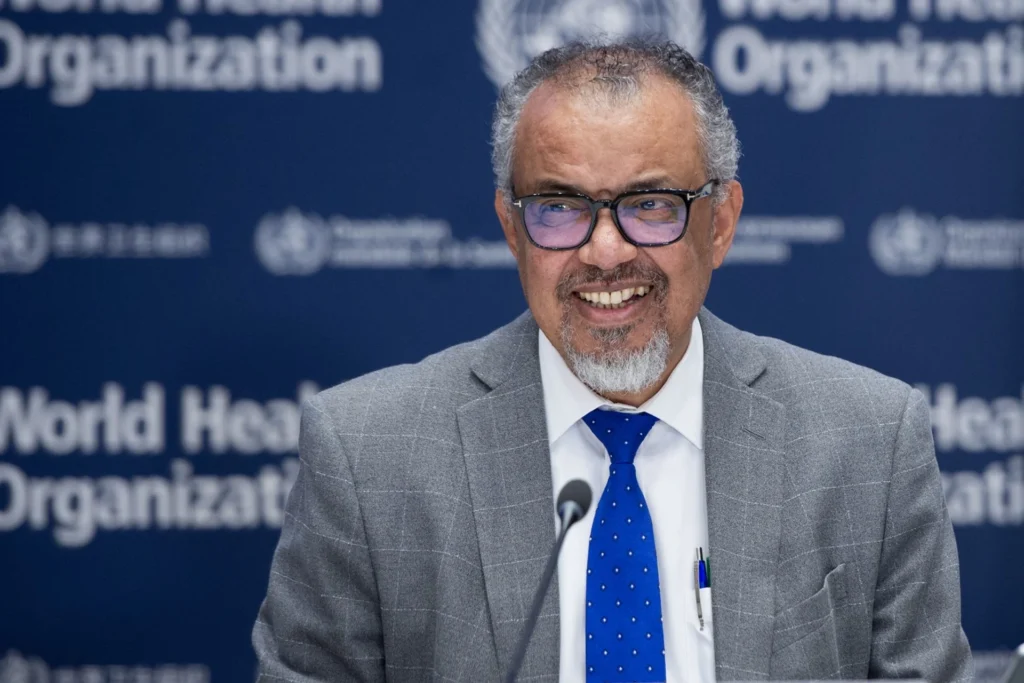
“The seven PROTECT strategies give countries practical, evidence-based approaches to prevent these tragedies, including making water transport safer, teaching school kids to swim, and preparing for floods. Drowning prevention isn’t the job of one ministry; it belongs to everyone, and the lives it saves are the reward.”
Dr Tedros Adhanom Ghebreyesus
The newly introduced PROTECT package translates the goals of the Global Strategy for Drowning Prevention, launched in 2025 by the WHO-hosted Global Alliance for Drowning Prevention, into practical guidance that governments can adapt to local circumstances.
Rather than focusing on a single intervention, the framework promotes coordinated action across multiple sectors, recognising that effective drowning prevention requires collaboration between health authorities, education systems, transport agencies, disaster management institutions and local communities.
The package identifies seven key areas which include improving physical infrastructure around water, increasing rescue and resuscitation capacity, improving occupational safety for those who work near water, establishing stronger transport safety standards for water travel, expanding swimming and water safety education, improving childcare and safeguarding systems, and strengthening preparedness for floods and other emergencies.
WHO believes that an integrated approach can dramatically reduce drowning deaths while strengthening community resilience to climate-related disasters.
Ghana Chosen to Launch Global Water Safety Initiative
In acknowledgement of Ghana’s increasing dedication to tackling drowning as a public health issue, the World Health Organization chose Ghana as the global launch location for the PROTECT technical package.
WHO estimates that drowning claims the lives of about 1,100 individuals in Ghana each year, or roughly three deaths per day. A disproportionate number of these deaths occur in children and young people, underscoring the critical need for focused preventative interventions.
The launch, according to WHO, recognises Ghana’s growing governmental commitment to water safety while urging other nations to implement evidence-based initiatives that can lower the number of drowning deaths.
The event also reflects more than a decade of collaboration between WHO, national governments and development partners to strengthen global drowning prevention policies and expand access to proven life-saving interventions.
By giving nations useful tools that can be integrated into national health policies, disaster preparedness plans, and community education initiatives, the PROTECT package expands on those initiatives.
This year’s World Drowning Prevention Day is being observed under the theme: Unite to turn the tide, reflecting WHO’s call for governments, civil society organisations, emergency responders and local communities to work together to reduce drowning deaths.
As climate change continues to increase exposure to water-related hazards and populations expand around rivers, lakes and coastal areas, WHO indicated that coordinated action has never been more urgent.
With hundreds of thousands of lives lost every year to a cause that experts say is largely preventable, the organisation hopes the PROTECT framework will help countries translate political commitment into practical action, ultimately reducing one of the world’s most overlooked public health challenges.
READ ALSO: Griezmann Scores 300th Club Career Goal on MLS Debut