The Ghana Prisons Service has appealed for logistical and financial support to establish dedicated production facilities that will strengthen inmate rehabilitation and prepare prisoners for employment after release.
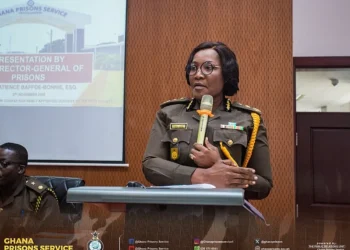
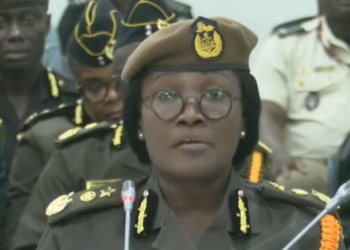
Appearing before the Public Accounts Committee (PAC), Director-General of Prisons Mrs Patience Baffoe-Bonnie explained that the Service needs industrial infrastructure to convert vocational training into sustainable livelihood opportunities.
The Director-General indicated that the Service has been able to secure access to 30 percent of Ghana Education Service-related contracts for sewing and carpentry through an arrangement supported by the Interior Minister, Hon. Mohammed Mubarak Muntaka. However, she explained that inadequate production facilities continue to obstruct the Service’s ability to fulfil the work, prompting plans to establish an industrial prison facility on its land at Nsawam.
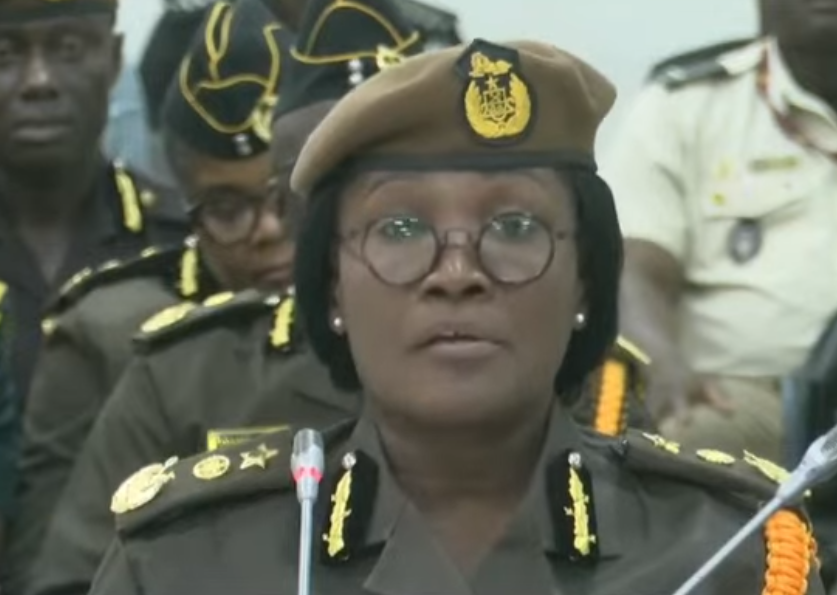
“But to monetize means getting the industries, factories, and engaging with companies to ensure that these skills are being used, and then we can convince the inmates that learn, because at the end of the day, you earn a living.”
Mrs Patience Baffoe-Bonnie
Mrs Baffoe-Bonnie outlined plans to manufacture security uniforms and boots, alongside prefabricated chairs and tables, as part of efforts to demonstrate the commercial value of skills acquired in custody. She reiterated that practical production opportunities would give inmates a clearer incentive to participate in training and improve their prospects of earning a living after serving their sentences.
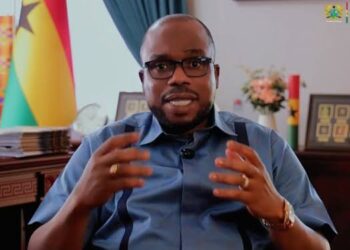
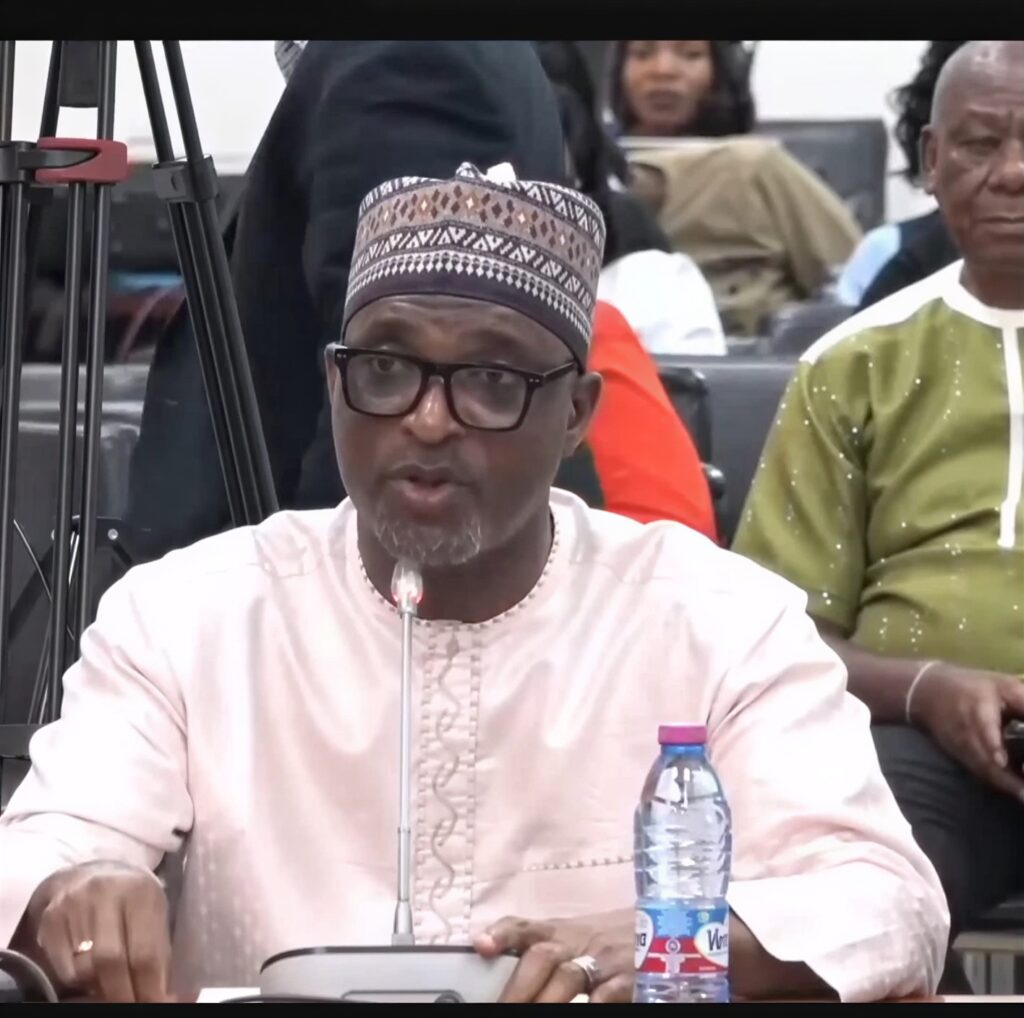
Supporting the proposal, the Interior Minister identified four benefits of engaging prisoners in productive work, including “improved discipline, skills development, income generation and the opportunity to save towards establishing a livelihood after release.” Hon. Muntaka observed that structured employment could also help reduce idleness within prisons, which he believes contributes to operational challenges.
The Minister further encouraged businesses to explore partnerships with the Ghana Prisons Service, explaining that some production activities could be established within prison facilities to address security restrictions affecting the movement of inmates. He noted that the Service was willing to collaborate with companies prepared to invest in prison-based manufacturing and other productive ventures.
Meanwhile, the proposed industrial expansion aligns with the government’s 24-hour economy agenda, which could create opportunities for production across extended working hours where security arrangements permit. Mrs Baffoe-Bonnie urged stakeholders to provide the necessary resources, arguing that the Service has the training structures and production opportunities to make rehabilitation more economically meaningful.
Prisons Service Faces Funding Gaps in Inmate Rehabilitation
Inadequate funding for rehabilitation and post-release support has emerged as a major challenge for the Ghana Prisons Service, with officials highlighting the limited resources available to prepare inmates for life beyond incarceration.
Director-General of Prisons Mrs Patience Baffoe-Bonnie called for greater investment in rehabilitation programmes and the processes needed to help discharged prisoners reintegrate into their communities.
The Director-General explained that the allocation for vocational training across the country’s 45 prisons is insufficient to deliver meaningful results, particularly when materials are consumed during practical instruction.
“Regarding the admission and discharge boards, the total amount that has been provided is 500,000. The challenge is that it is not limited to internal operations alone; you also have to call upon people from social welfare, and then provide allowances for them.”
Mrs Patience Baffoe-Bonnie
Mrs Baffoe-Bonnie explained that former inmates can face immediate financial pressures after release, including food, utility bills and difficulties securing family support or employment. Without adequate assistance, she warned, some may reconnect with former associates involved in criminal activity, increasing the risk of reoffending.
Interior Minister Hon. Mohammed Mubarak Muntaka acknowledged the need for “more effective discharge planning” including collaboration with social welfare officers to assess the circumstances of inmates before they return to society. He explained that admission boards assess prisoners’ needs at the start of their sentences, while discharge boards should identify the support required to ease their transition back into the community.
The Minister noted that the funding available for training has been limited to GH¢1.5 million across the 45 prisons, while GH¢500,000 has been provided for admission and discharge boards. He appealed for greater public understanding of prison conditions and encouraged public officials to engage more directly with the challenges facing correctional facilities.
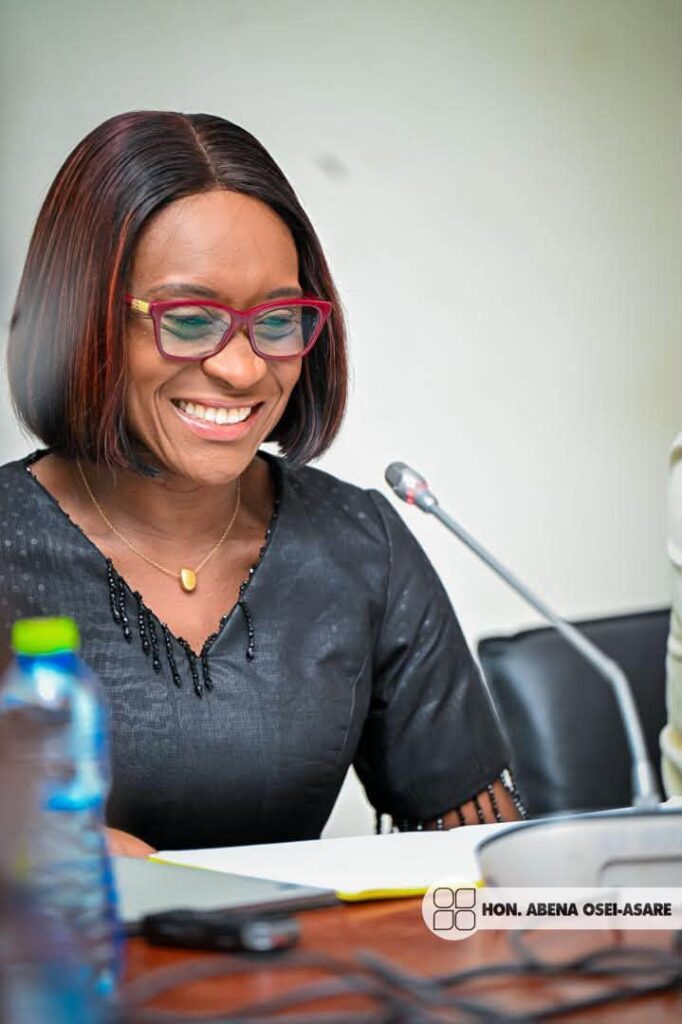
Meanwhile, PAC Chair Honourable Abena Osei-Asare proposed that companies could support rehabilitation through their corporate social responsibility programmes. She pointed to substantial corporate social spending and suggested that partnerships could channel some of those resources towards vocational training and reintegration support.
Hon. Muntaka welcomed the prospect of collaboration, noting that the Service has already received donations, including vehicles, from individuals and institutions. He also proposed that a portion of corporate social responsibility funding be directed towards prison rehabilitation, arguing that coordinated support could help former inmates rebuild their lives and reduce repeat offending.
READ ALSO: Mr Drew Announces Return Of ‘Seleey Concert’ In 2026