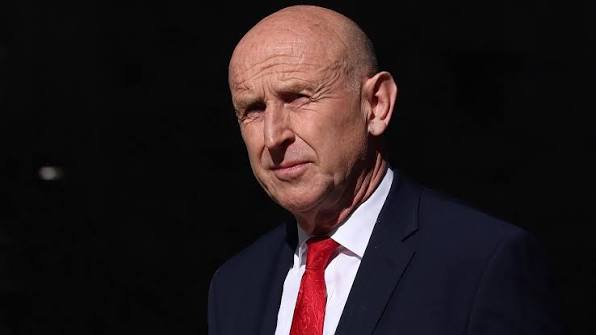
UK Chancellor John Healey has pledged to address the cost of doing business in Britain ahead of his first major fiscal event, promising to support entrepreneurs and companies facing mounting financial pressures as the government grapples with rising borrowing and limited fiscal headroom.
Speaking ahead of the Budget, the UK Chancellor stated that his fiscal plans would consider the financial pressures facing British businesses, signalling an effort to rebuild Labour’s relationship with the private sector.
“I want to be a Chancellor who backs business in Britain making a profit, and those entrepreneurs who, in the end, are the ones who challenge the status quo, come up with innovative ideas and are trying, some of them through sheer bloody-mindedness, to keep going through these sorts of pressures.”
UK Chancellor, John Healey
The Chancellor acknowledged that companies had experienced considerable difficulties in recent years, adding that their financial challenges needed to be recognised alongside the pressures facing households.
“And so when I talk about the cost of business, and recognising that in the same way as we’re recognising the cost-of-living pressures, I’m conscious of that as I go into the budget for both businesses and households.”
UK Chancellor, John Healey
Business Leaders Warn Against Further Tax Increases
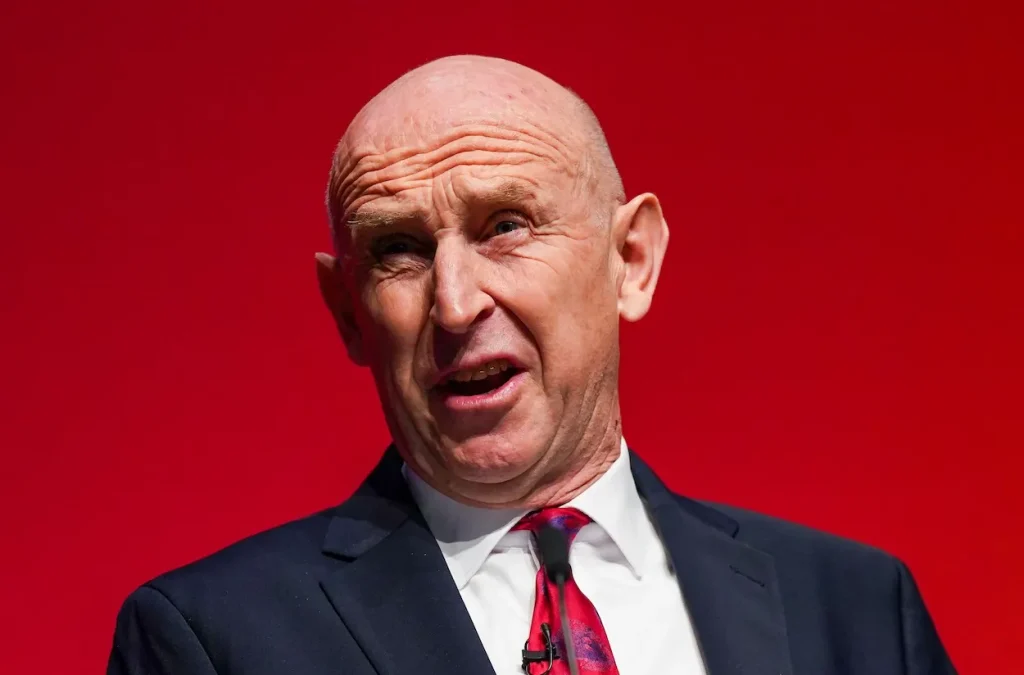
Healey’s remarks follow calls from Rain Newton-Smith, Chief Executive of a major British business group, for the Chancellor to provide companies with greater room to operate and invest in his first Budget.
Newton-Smith has warned that additional taxes on the financial services sector could weaken Britain’s competitiveness, particularly if they increase the burden on firms operating in an industry that contributes substantially to the national economy.
One option reportedly under consideration is an increase in the surcharge on bank profits from 3 percent to 8 percent, reversing a tax reduction introduced under former Chancellor Jeremy Hunt.
However, Newton-Smith argued that further taxation could have consequences extending beyond London, where much of Britain’s financial services industry is concentrated.
“Our financial services may be centred in London, but they support more than 650,000 jobs outside the capital. They add more than £200 billion to our economy every year. They are a great British success story.”
Rain Newton-Smith
She added, “Our financial sector already faces a higher tax burden than other global centres. Adding to that would be an own goal for our competitiveness.”
Newton-Smith also argued that economic growth depended on supporting sectors facing difficulties without imposing additional constraints on industries already generating substantial economic activity.
“The Budget next week must be about giving business breathing space and backing wealth creation. Because breathing space gives businesses room to invest. To hire. To innovate. To make the decisions that drive growth in every postcode.
“That means government and business being bold on the practical things that decide whether investment happens here or somewhere else.”
Rain Newton-Smith
Rising Borrowing Complicates Budget Decisions
Meanwhile, the calls for business support come as UK government confronts mounting pressure on its public finances ahead of the Budget.
Government borrowing rose more than expected to £24.5 billion in the previous month, highlighting the financial constraints facing the chancellor as he considers measures to support growth and manage public spending.
Higher borrowing costs associated with the Iran war, alongside weaker economic growth, have also reduced the government’s fiscal headroom, intensifying pressure to consider tax increases or spending cuts.
The circumstances leave the Chancellor facing competing demands: businesses are seeking relief from operating costs and a more supportive investment environment, while the government must account for rising borrowing and limited financial flexibility.
The proposed increase in the bank profits surcharge illustrates the difficulty of balancing the need to raise revenue against concerns that higher taxes could affect investment, employment and the competitiveness of British financial services.
For business leaders, the central issue is whether the Budget will provide sufficient certainty and incentives for companies to expand their operations and create jobs.
On the other side, the government faces the issue of giving critical help to businesses without jeopardising its already precarious fiscal position. With growing borrowing constraints and limited budgetary headroom, the government must strike the balance.
READ ALSO: Gov’t Sets November 31st to Implement Contract Mining Reforms