Tag: Economic Impact

  • Trump’s Tariffs Threaten Ghana’s Trade Stability

    Trump’s Tariffs Threaten Ghana’s Trade Stability

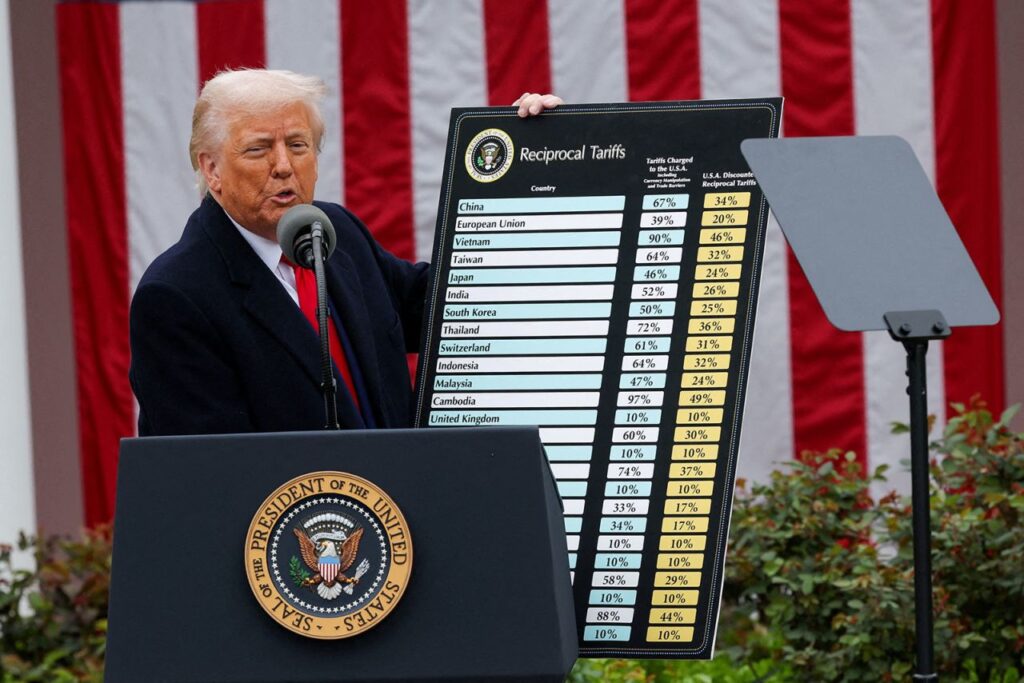
    The Trump tariffs on Ghanaian exports have ignited a wave of anxiety among business leaders, with the Importers and Exporters Association of Ghana issuing a strong rebuke of what it describes as an unfair and economically damaging policy decision by the United States.

    In a sharply worded statement signed by the Executive Secretary, Samson Asaki Awingobit, the Association condemned the U.S. government’s imposition of a 10% tariff increase on imports from Ghana. 

    This move, according to the Association, is a direct affront to the “protocols and principles upheld by the World Trade Organization (WTO)” and demands unequivocal condemnation.

    “As an association representing the interests of Ghanaian importers and exporters, we believe this tariff hike poses significant threats to our economy and the livelihoods of countless Ghanaian businesses and workers.” 

    Importers and Exporters Association of Ghana

    The decision, spearheaded by the administration of President Donald Trump, risks not only straining diplomatic ties but also inflicting serious economic consequences on Ghana’s export sector

    It comes at a time when many businesses are still recovering from global supply chain disruptions, currency volatility, and post-pandemic inflationary pressures.

    One of the most immediate effects of the Trump tariffs, the statement noted, is a projected dip in the competitiveness of Ghanaian products in U.S. markets. 
    Importers, Exporter Association of Ghana
    Importers, Exporter Association of Ghana

    Accordingly, the Association pointed to the likelihood of a drop in demand and revenue for exporters, particularly in traditional sectors like cocoa, textiles, and fresh produce, where price sensitivity is high.

    The Association warned that “With reduced export opportunities, businesses within the export sector may be forced to downsize, resulting in job losses and widening income disparities in the country.”

    The tariff hike, while aimed at protecting American industries, may end up deepening inequality in Ghana and creating unintended long-term challenges for an already vulnerable workforce. 

    The statement pointed out that job cuts in export-linked sectors could have devastating social and economic consequences, especially in rural areas dependent on agribusiness and export-led manufacturing.

    Tariff Fallout Could Weaken Entire Economy

    Beyond the export sector, the Trump tariffs could upset Ghana’s broader economic equilibrium. 

    As such, the Association predicted a tightening credit market as banks respond to uncertainty and declining business revenue by hiking interest rates. 

    budget allocation for Women's Development Bank
    Market Economy; Women’s Bank

    The Association noted that this would further squeeze entrepreneurs and small businesses already grappling with high borrowing costs.

    The statement also noted that there is likely a deterioration of the country’s trade balance. 

    “A decline in exports coupled with sustained import levels could worsen Ghana’s trade deficit, putting additional pressure on the national economy.” 

    Importers and Exporters Association of Ghana

    According to the Association, this chain reaction may culminate in an overall reduction in economic growth

    With national revenues shrinking, government development efforts may falter, and the country’s long-term aspirations under Agenda 111, industrialization strategies, and digital transformation initiatives may lose momentum.

    Government Urged To Step In Now

    In view of these pressing concerns, the Importers and Exporters Association called on Ghana’s policymakers to act swiftly. 

    Their appeal is directed squarely at the Ministry of Trade, Agribusiness, and Industry, as well as the Ministry of Foreign Affairs and Regional Integration. “We call on… all relevant stakeholders [to] analyze the full implications of this tariff increase on Ghana’s economy.” 

    It does not stop there. The Association also indicated that it expects the government to pursue direct diplomatic engagement with Washington. 
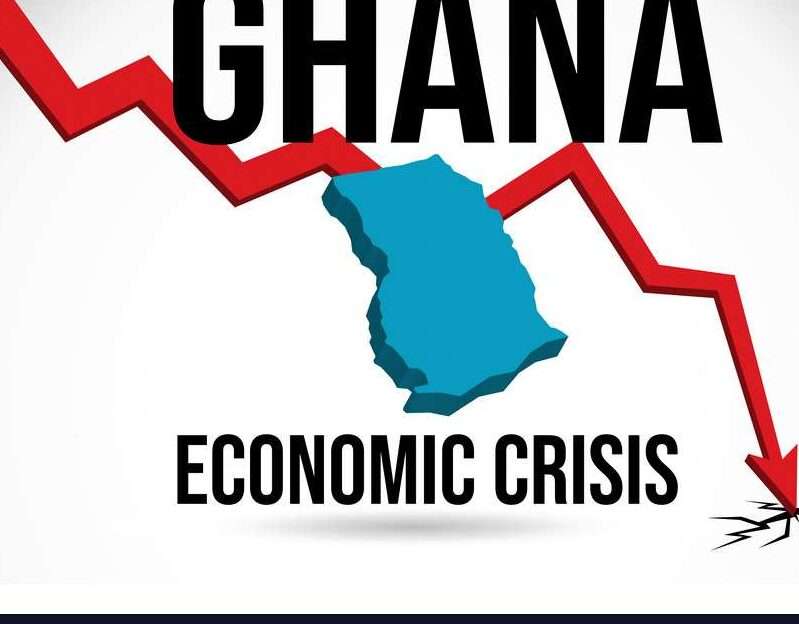
    Ghana grapples with economic crisis
    Ghana’s Financial Crisis Economic Collapse Market

    Ghana, they argued, must stand up for its economic sovereignty and push for a reversal of this tariff policy. Meanwhile, they are asking for a domestic safety net.

    “We also appeal to the Ghanaian government to take proactive steps to support the exporting community by providing incentives and relief measures to cushion affected businesses and entrepreneurs.” 

    Importers and Exporters Association of Ghana

    In a show of unity, the Association reaffirmed its backing for local businesses bearing the brunt of this economic pressure. “We stand in solidarity with our exporters and business community and urge all relevant authorities to act swiftly in addressing this pressing issue.”

    Indeed, as global trade politics become increasingly unpredictable, Ghana cannot afford to be a passive actor. 

    The Trump tariffs have revealed just how vulnerable developing economies are to policy shifts in advanced economies. 

    Meanwhile, the Minister of Foreign Affairs, Hon. Samuel Okudzeto Ablakwa, has confirmed that he has scheduled a meeting with the United States Ambassador to Ghana, Virginia Palmer, at his office on Monday, April 7.

    The purpose of the invitation is to seek clarification on President Donald Trump’s recent decision to impose a 10% tariff on imports from Ghana.

  • Trump’s Tariffs Slash Oil Prices Amid Global Uncertainty 

    Trump’s Tariffs Slash Oil Prices Amid Global Uncertainty 

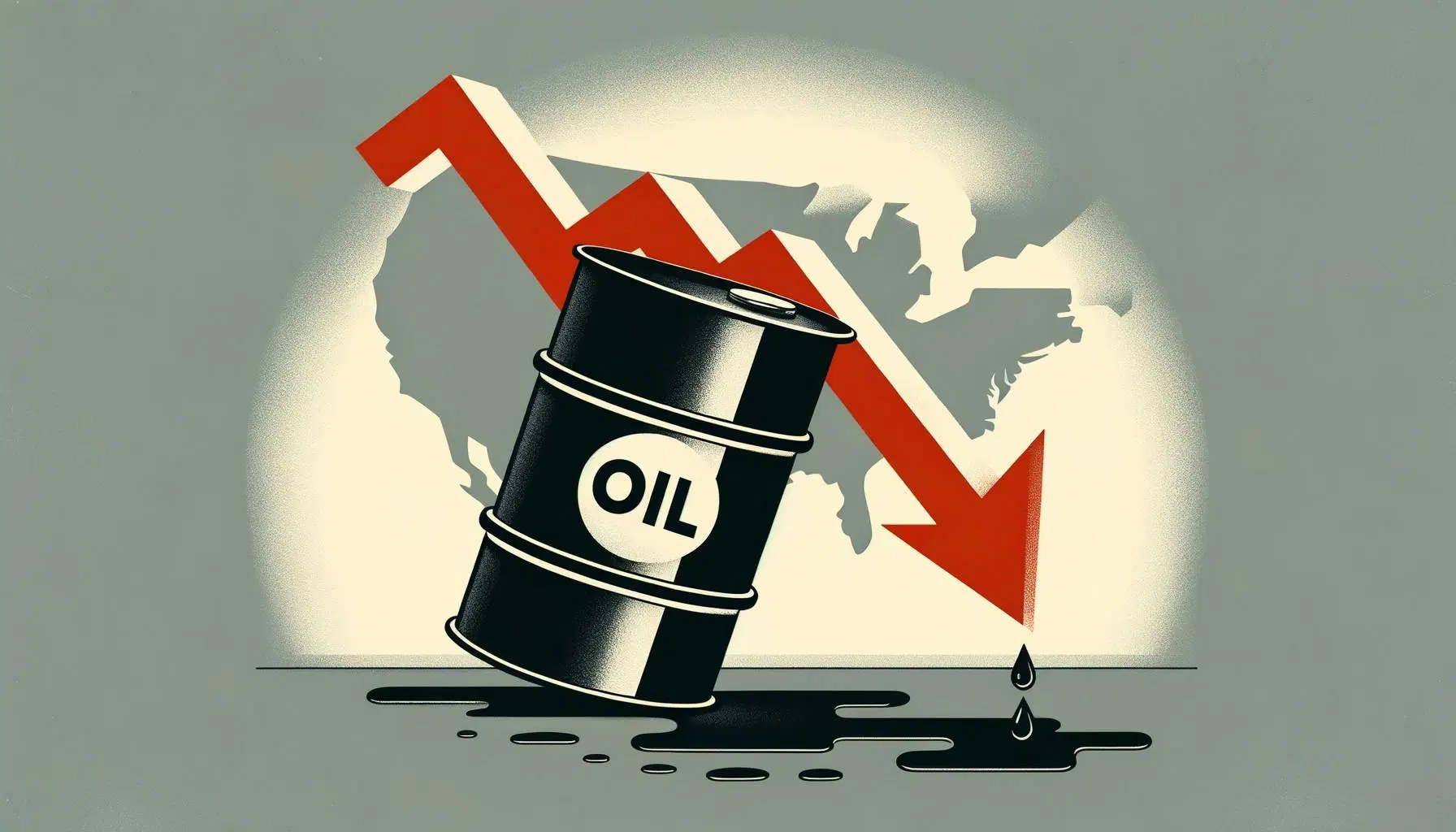
    Crude oil prices took a sharp hit earlier this year, dropping by 3% as global markets reacted to the sweeping tariffs imposed by former U.S. President Donald Trump on major trade partners.  

    With tariffs ranging between 10% and 34%, concerns are mounting over the potential impact on global trade and energy demand. 

    At the time of writing, Brent crude was trading at $70.60 per barrel, while West Texas Intermediate (WTI) stood at $67.26 per barrel.  

    Despite the recent dip, prices remained relatively stable compared to the past month, signaling cautious optimism among traders. However, analysts warn that further declines could be on the horizon as the full impact of tariffs unfolds. 

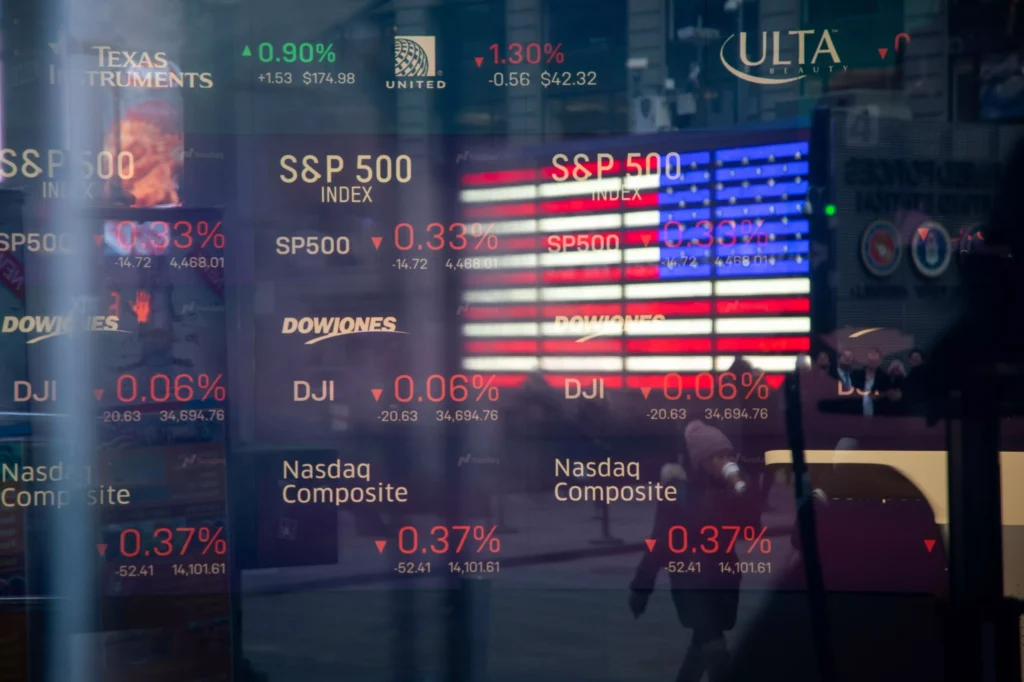
    The introduction of these aggressive tariffs has sparked fears of economic slowdown, with analysts highlighting the risks to global trade and energy markets. 

    Nomura Securities analyst in an interview said, “Trump’s tariffs carry the risk of destroying the global free trade order the United States itself has spearheaded since the Second World War.”  

    Trade restrictions of this scale inevitably create ripple effects across industries, including the energy sector.  

    Market analysts argue that the demand for crude oil and petroleum products could decline if trade tensions escalate further. 

    According to Yeap Jun Rong, an IG analyst, the oil market’s focus has now shifted to global economic growth projections.  

    “For oil prices, the focus now shifts to the global growth outlook, which is likely to be revised downward due to these higher-than-expected tariffs.” 

    Yeap Jun Rong, an IG analyst

    Initially, traders had anticipated more moderate tariffs in the 10%-20% range, but the 34% tariff on some imports exceeded expectations, raising further concerns. 

    Market Reaction: Worst-Case Scenario 

    With the new trade barriers in place, financial experts worry that these measures will lead to an economic downturn, directly affecting global oil demand. 

    In a research note, ING commodity analysts noted that markets are now watching closely for any signs of retaliation from U.S. trading partners.  

    “The scale of some of Trump’s tariffs will raise global demand concerns.

    “There’s also increased uncertainty, with markets waiting to see how trading partners retaliate.” 

    ING commodity analysts

    Ajay Rajadhyaksha, global chair of research at Barclays, echoed similar concerns. “This is close to the worst case that the market feared. This will cause damage,” he told the Financial Times. 

    Meanwhile, Pavel Molchanov, an analyst at Raymond James, emphasized that tariffs typically have broad economic repercussions.  

    “Tariffs have a negative effect on the overall economy, and anything that has a negative effect on the overall economy is going to — all other things being equal — damage oil demand.” 

    Pavel Molchanov, an analyst at Raymond James

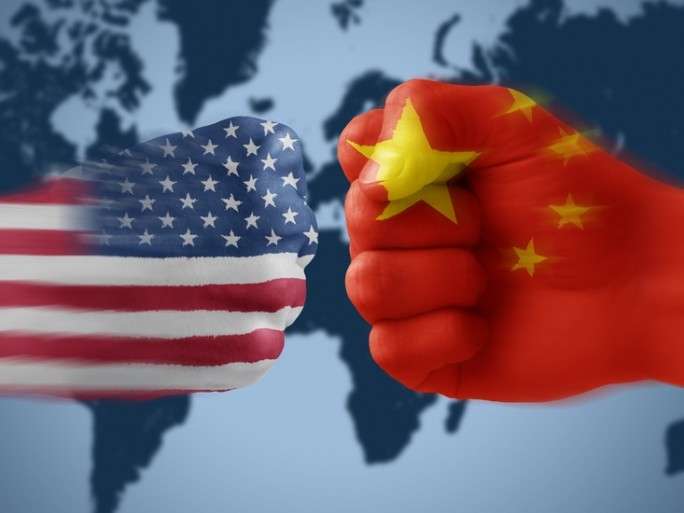
    Adding to the complexity, U.S. trade partners, including China and the European Union, have already begun formulating countermeasures.  

    China, in particular, wasted no time in responding, imposing its own tariffs on American imports—including energy products. 

    China, the world’s second-largest oil consumer, had been increasing its imports of U.S. crude oil following Washington’s push to expand energy exports. However, with the latest trade war developments, Beijing is likely to shift its energy procurement strategies. 

    Given its vast energy needs, China has alternative suppliers such as Russia, Saudi Arabia, and Iran, making it easier to redirect its purchases away from the U.S. 

    On the other hand, the European Union (EU) may face greater challenges in replacing U.S. energy supplies.  

    The EU is more reliant on a stable and predictable supply chain, and any disruption could cause long-term shifts in trade dynamics. 

    The uncertainty surrounding global trade policies has left oil traders and investors in a precarious position. If trade tensions persist or escalate, crude oil prices could experience further volatility. 

    The crude oil market now stands at a crossroads. The uncertainty surrounding U.S. tariffs, global trade tensions, and economic growth projections has created a fragile balance that could tip in either direction. 

    If trade partners retaliate aggressively, oil prices may see further declines due to weakened demand. However, if negotiations lead to tariff reductions or adjustments, the market could stabilize. 

    For now, all eyes remain on how the world’s largest economies navigate the evolving trade landscape—a factor that will undoubtedly shape global energy markets in the months ahead. 

  • Ken Agyapong Solidarizes with Adum Fire Victims,  Demands Lasting Solutions

    Ken Agyapong Solidarizes with Adum Fire Victims,  Demands Lasting Solutions

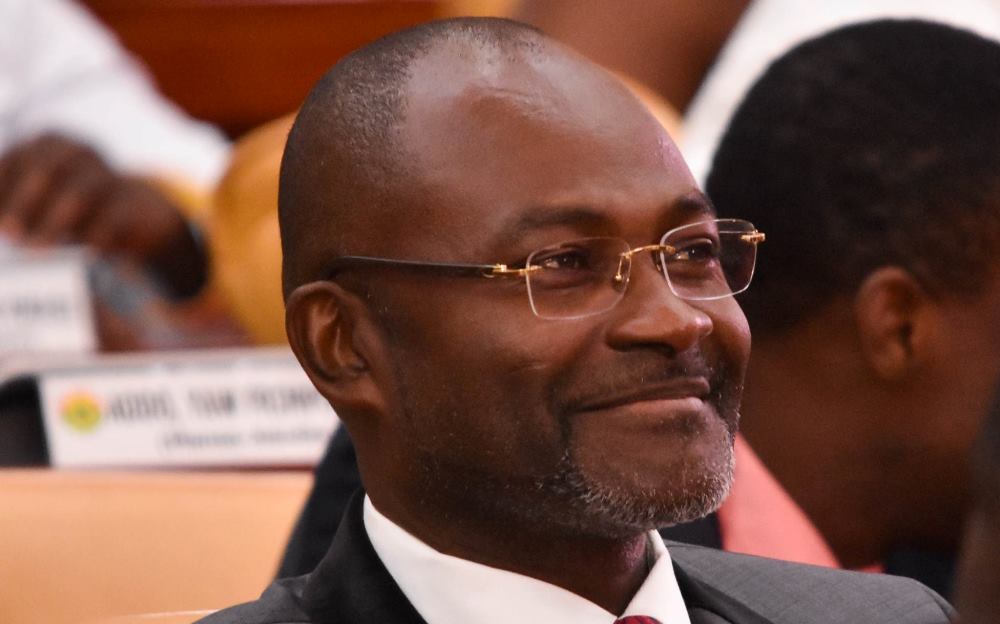
    The former Member of Parliament for Assin Central and NPP 2024 Presidential Aspirant, Hon. Kennedy Ohene Agyapong, has expressed profound sorrow over the losses suffered by traders and their families following the Kumasi Adum Pz market fire outbreak.

    In a statement issued by his Spokesperson, Kwaku Amoh-Darteh, Esq., Hon. Agyapong lamented the heartbreaking setback, emphasizing the urgent need for comprehensive fire prevention measures to curb the recurrent market infernos plaguing Ghana.

    Hon. Agyapong, known for his deep engagement in Ghana’s business community, empathized with the victims, acknowledging the dedication and sacrifices entrepreneurs make to build sustainable businesses.

    “As a businessman, I understand the immense effort required to build a business—the long hours, the sacrifices, and the hopes for a better future. To see it all taken away in an instant is painful beyond words. I feel your pain and share in your frustration.”.

    Kwaku Amoh-Darteh, Esq., the Spokesperson
    Kumasi Market Fire
    Kumasi Market Fire

    Beyond expressing solidarity with the affected traders, Hon. Agyapong issued a clarion call for immediate and long-term solutions to Ghana’s persistent market fires. 

    He urged the Ghana National Fire Service, the Police, and other relevant state security agencies to work collaboratively to address the underlying causes of such disasters.

    “Market fires have become too frequent in our country, and it is time to take real action. We need safer markets, better emergency access, and reliable fire prevention systems. Protecting our traders means protecting Ghana’s future”.

    Kwaku Amoh-Darteh, Esq., the Spokesperson

    Support for Victims

    Despite being out of the country at the time of the incident, Hon. Agyapong has taken swift action by dispatching a team to Adum to assess the damage and extend support to those affected. 

    He also assured traders that he would personally visit the scene upon his return to engage with victims and discuss concrete steps towards recovery and resilience.

    ‘To the steadfast people of Kejetia, Adum, Dr. Mensah, and Roman Hill-do not lose hope. Ghana is strong because of its people, and together, we will rebuild. Let us unite, support one another, and work to prevent such tragedies in the future.”

    Kwaku Amoh-Darteh, Esq., the Spokesperson

    The inferno, which swept through multiple shops in one of Kumasi’s busiest commercial hubs on the dawn of Friday, March 21, 2025, has left many traders in despair, their businesses and livelihoods reduced to ashes. 

    Fire outbreaks in Ghanaian markets are often attributed to electrical faults, improper waste disposal, and inadequate fire response mechanisms. 

    However, implementing preventive policies and enforcing strict safety regulations remain major challenges. 

    Many traders and analysts argue that the government must prioritize fire safety infrastructure, enforce market planning regulations, and provide training for traders on fire prevention practices.

    In the aftermath of the Adum fire, affected traders and families are grappling with immense financial losses. 

    Many are calling on the government, corporate bodies, and philanthropists to extend support to those who have lost their businesses. 

    Additionally, there is increasing pressure on the regional and various local authorities to ensure that market structures are equipped with fire extinguishers, functional hydrants, and proper electrical installations.

    The former Member of Parliament for Assin Central’s statement underscore the necessity for both immediate relief efforts and long-term strategies to enhance market safety nationwide.

  • Europe Shifts Rightward as Africa Migration Debate Intensifies

    Europe Shifts Rightward as Africa Migration Debate Intensifies

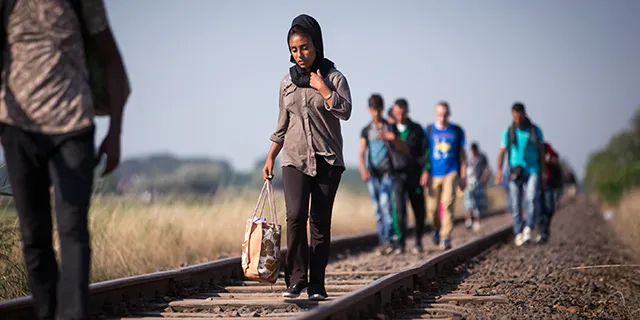
    As Europe grapples with rising migration, the political landscape is tilting to the right. Italy is exploring the outsourcing of asylum procedures to third countries, the Netherlands is drafting stringent new immigration laws, and Austria’s anti-migrant Freedom Party has been tasked with forming a government. 

    These developments are part of a broader trend that reflects growing concerns about immigration across the continent.

    With Germany’s elections on the horizon, immigration has emerged as a critical issue, dominating political discourse. The debate is fueled by misinformation and disinformation spreading on social media, intensifying the polarization around both legal and irregular migration.

    Amid the heated discussions, few narratives delve into the root causes of migration or consider the perspectives of those compelled to leave their homes. Hardi Yakubu, a representative of the pan-African activism movement Africans Rising, stated that migrants are among the most disenfranchised and misunderstood groups globally.

    “Politicians are making calculations about migration policy and elections based on what their message should be about protecting borders,” Yakubu noted. He criticized the narrow focus of political campaigns that pander to certain voter bases without addressing the broader realities of migration.

    Yakubu emphasized the need to shift the conversation from a Western-centric view to include the “African perspective.” He pointed out that the majority of African migrants — about 80%, according to the UN — seek opportunities within the continent rather than overseas. However, this significant aspect of migration is often overlooked in European debates.

    Hardi Yakubu

    Economic Contributions and Misconceptions

    The data revealed that African migrants primarily move to neighboring countries or economic hubs like South Africa, which offer better opportunities. However, this intra-continental migration is frequently excluded from European discussions, which, Yakubu argued, victimizes migrants and exacerbates xenophobia.

    In South Africa, for instance, the influx of Zimbabwean migrants has triggered xenophobic tensions. Despite these challenges, Zimbabwean migrants often take on menial jobs or fill gaps in the informal economy, such as running small shops.

    According to a report by the OECD Development Centre and the International Labour Organization (ILO), immigrants contribute significantly to South Africa’s GDP, with estimates suggesting a 5% increase annually. Yakubu argued that destination countries should recognize and value these contributions while considering the potential benefits migrants could bring to their home countries.

    Balancing Migration and Development

    Yakubu advocates for policies that encourage people to stay in their home communities and contribute to local development. He warned that mass migration can lead to the stagnation of entire nations, as observed in the case of Zimbabweans moving to South Africa.

    The ILO reported that nearly 25% of workers in Europe now have a foreign background, compared to less than 5% globally. This trend indicates a significant loss of potential workforce and social contributions in the migrants’ countries of origin.

    Despite the challenges, many migrants strive to balance improving their lives abroad with supporting their families back home through remittances. These financial contributions play a crucial role in bolstering local economies in Africa.

    Yakubu also criticized African governments for not doing enough to provide alternatives to migration. He highlighted the irony of some African nations making it easier for foreigners to move within the continent than for Africans themselves to do so.

    As Europe continues to navigate its complex relationship with migration, the need for a more nuanced and inclusive dialogue becomes increasingly evident. Addressing the root causes and recognizing the multifaceted contributions of migrants are essential steps toward more balanced and effective migration policies.

  • Mozambique Turmoil Sparks Action on Cross-Border Trade

    Mozambique Turmoil Sparks Action on Cross-Border Trade

    The ministers of South Africa and Mozambique met on Wednesday to address escalating disruptions at key border points, including the Lebombo and Ressano Garcia ports of entry. 

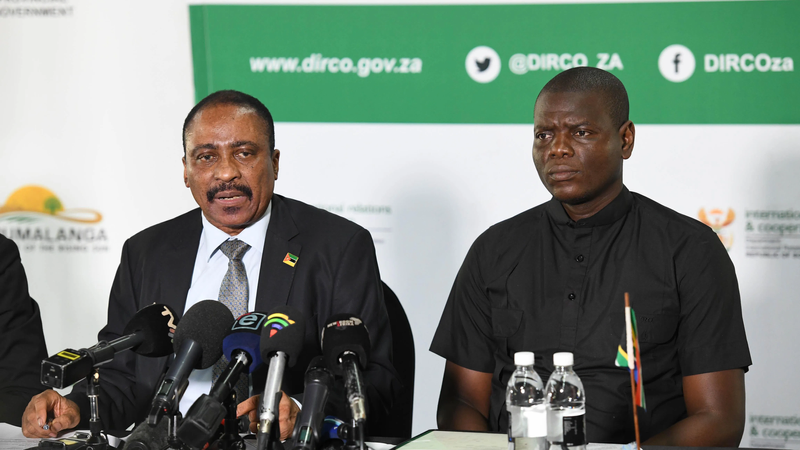
    South Africa’s Minister of International and Cooperation, Ronald Lamola, and Mozambique’s Minister of Interior, Pascoal Ronda, convened in Malelane, Mpumalanga, to tackle the economic fallout from post-election unrest in Mozambique.

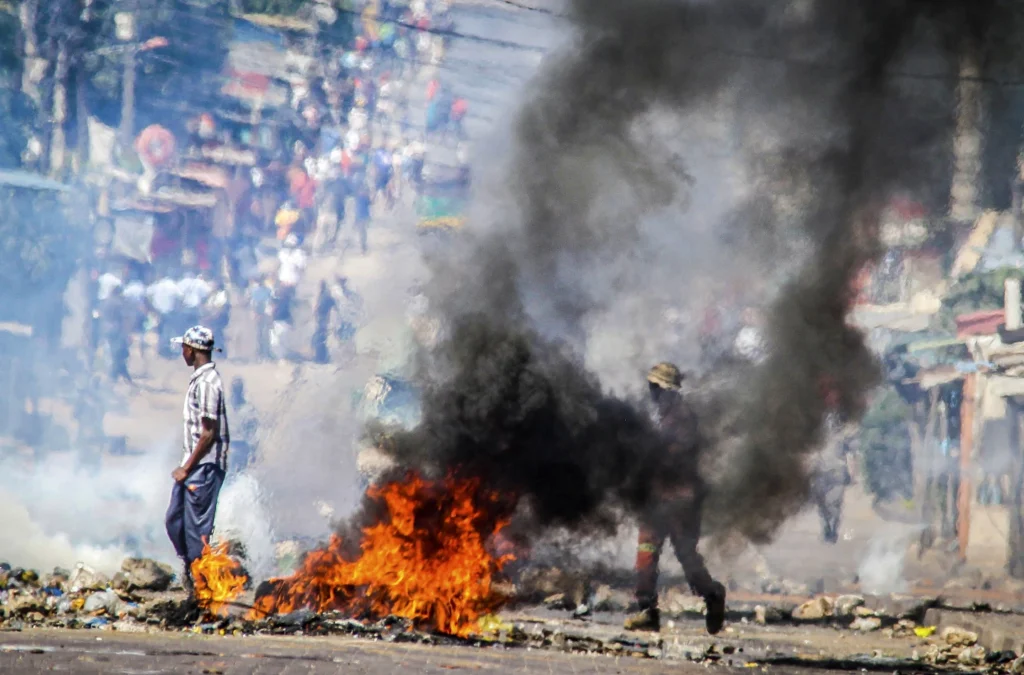
    Mozambique has been gripped by violent protests since the disputed October 9 general election. Widespread allegations of electoral fraud have sparked turmoil, leading to at least 50 deaths and significant damage to infrastructure. 

    Urban centers like Maputo have been particularly hard-hit, with over 151 businesses vandalized, resulting in losses of $45.5 million and jeopardizing more than 1,200 jobs.

    In response, the ministers pledged to bolster cooperation to minimize trade disruptions and protect economic stability in both nations.

    The bilateral meeting identified measures to address the challenges, emphasizing the need for continuous engagement to ease disruptions. A joint statement revealed that both countries have committed to deploying additional resources, identifying alternative routes, and working with stakeholders to safeguard trade and supply chains.

    “The Ministers agreed that both countries will endeavor to protect and secure the infrastructure for trade facilitation and continued collaboration to ensure minimum disruption for regional integration, including associated cross-border value chains,” read the official statement.

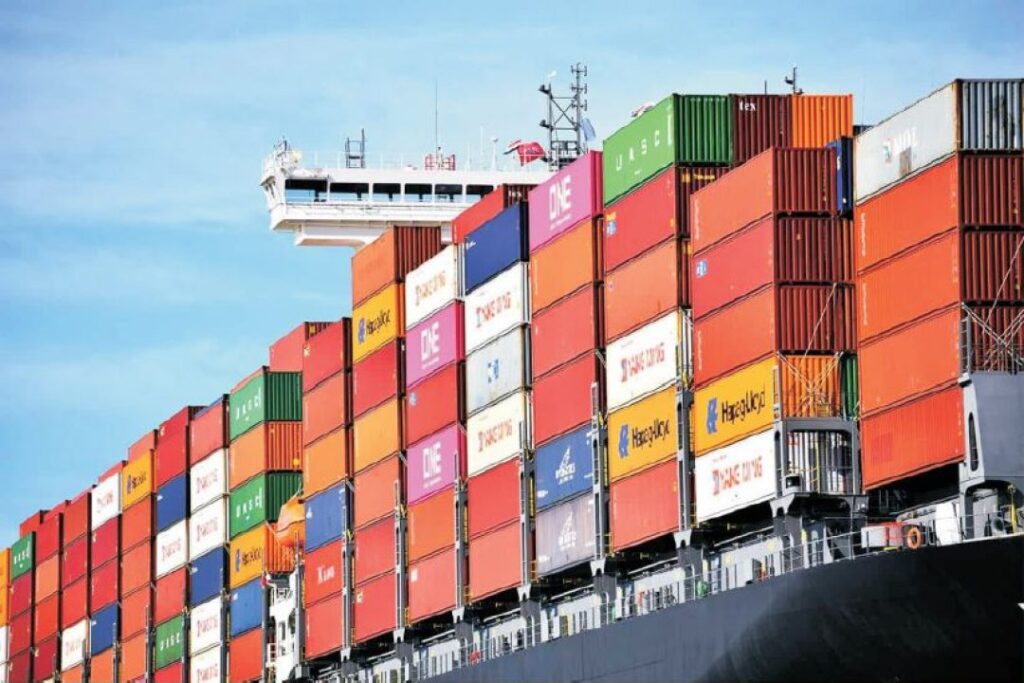
    The unrest has disrupted the free movement of goods and people, severely impacting the economies of Mozambique and South Africa. Officials warned that prolonged instability could lead to food and energy insecurity, as companies face mounting losses from halted trade operations.

    Lamola’s department commended efforts by senior officials and agencies from both sides, acknowledging progress in mitigating the negative effects of the disruptions so far.

    Mozambicans protests election outcome

    Severe Economic Fallout

    Mozambique’s ongoing violence has dealt a heavy blow to its economy, with the Confederation of Mozambican Business Associations (CTA) reporting staggering losses of 24.8 billion meticais (around $388 million). The unrest has led to a 2% drop in GDP and severely impacted critical sectors, including tourism and logistics.

    Foreign direct investment, which accounted for 12.6% of Mozambique’s GDP in 2020, is also at risk of decline due to the instability. Analysts warn that these disruptions could worsen inflation, increase unemployment, and deter future investments essential for Mozambique’s recovery.

    Despite the challenges, South Africa’s Border Management Authority (BMA) has reported smooth operations at the Lebombo port of entry. The agency confirmed that cargo and traveler movements continue without significant delays, reflecting preparedness for the busy holiday season.

    “The processing of cargo on both arrival and departure continues as normal, with efficient facilitation ensuring seamless movement of goods,” the BMA stated.

    Traveler movements at the border are also reportedly flowing smoothly, providing some relief amid the wider disruptions.

    The ministers concluded their meeting by emphasizing the urgency of restoring stability in Mozambique and protecting the economic ties that bind the two countries. While short-term measures may alleviate immediate pressures, sustained peace and effective governance are essential for long-term recovery.

    As such, while the violence continues to hinder progress, regional leaders and stakeholders are urged to collaborate to prevent further destabilization and ensure that trade, the lifeline for many businesses, remains uninterrupted.

  • UK Faces £10.6bn Post-Brexit EU Payment Bill

    UK Faces £10.6bn Post-Brexit EU Payment Bill

    Britain continues to grapple with the financial fallout of Brexit, with more than £10 billion set aside for ongoing payments to the European Union. 

    Despite leaving the bloc in 2020, the UK remains obligated to honor financial commitments under the 2019 Withdrawal Agreement, including pension liabilities for EU staff and pre-existing budget contributions.

    The latest government figures reveal a provision of £10.6 billion for future EU payments, a significant reduction from £31.7 billion last year and £38.7 billion the year before. However, critics argue that these billions represent the enduring financial burden of what they call a “terrible Brexit deal.”

    Dr. Mike Galsworthy, chairman of European Movement UK, said the costs highlight the “disaster” of Brexit. “The vast sums we are still paying for a terrible Brexit deal that even Kemi Badenoch has admitted isn’t working just shows what a complete disaster every aspect of leaving the EU has been for our country,” he remarked.

    In addition to the financial commitments, Brexit’s economic impact continues to weigh heavily on the UK. Official estimates indicate that Brexit will reduce the country’s trade by 15% in the long run. 

    According to the independent Office for Budget Responsibility, only 40% of the economic damage from Brexit has been realized so far, with the majority of the impact still looming.

    Former Armed Forces Minister Sir Nick Harvey criticized the government’s handling of Brexit’s fallout, describing their actions as “tinkering around the edges.” 

    He called for prioritizing efforts to address the economic damage, emphasizing the need for closer ties with the EU. “A return to the single market and customs union must be on the table,” Sir Nick added.

    Meanwhile, pro-Brexit voices defended the financial arrangements. Stuart Coster, director of the Democracy Movement, argued that the £10.6 billion reflects the winding down of the UK’s EU membership costs. “These figures show the true scale of how much money the EU was costing Britain’s taxpayers and public services,” he stated.

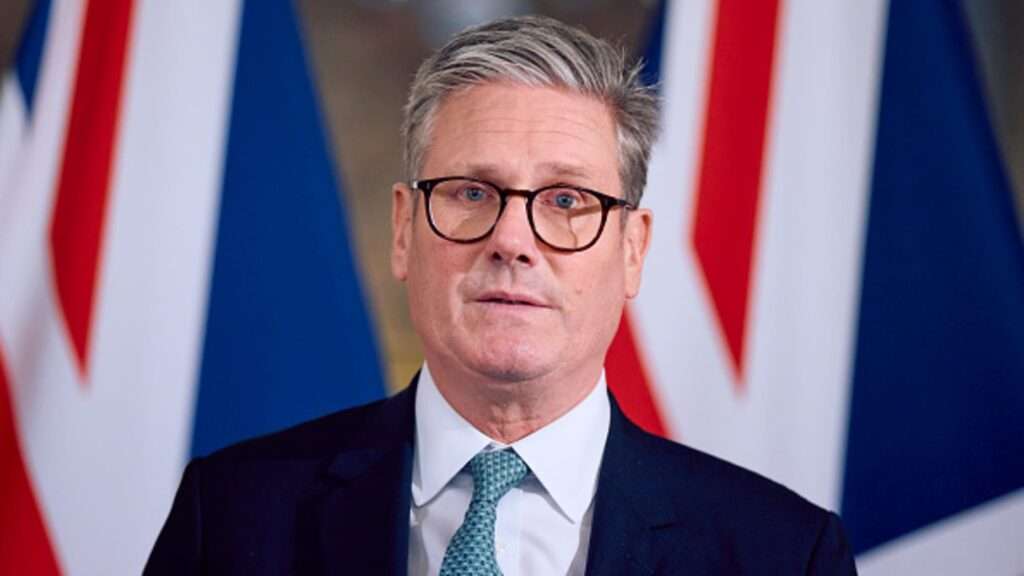
    Prime Minister Keir Starmer has attempted to reset relations with the EU after years of tense negotiations under Conservative leadership. 

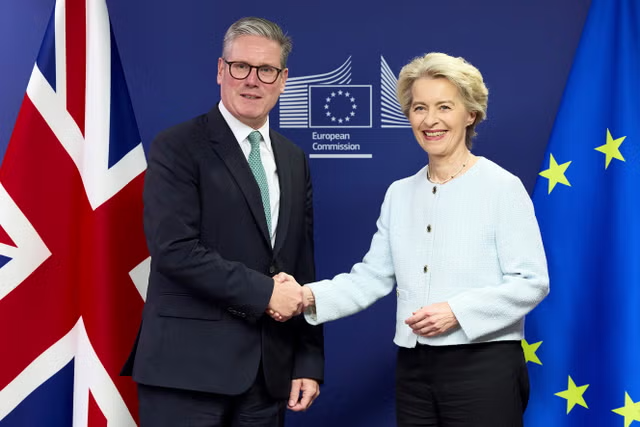
    Recent discussions with European Commission President Ursula von der Leyen focused on fostering cooperation and renewing the Trade and Cooperation Agreement in 2024.

    However, Starmer faces resistance over certain EU demands, including establishing a youth mobility scheme. The proposed arrangement would allow young people to live and work freely between the UK and EU countries for several years. Starmer has thus far declined to commit to such a scheme, complicating efforts to rebuild trust with the EU.

    Liberal Democrat MP Caroline Voaden lamented the ongoing costs associated with Brexit and questioned how the funds could be better allocated. “Imagine what the government could do with that money instead. It would fill a black hole,” she said, referencing the £40 billion in new taxes introduced by Labour’s recent Budget.

    Liberal Democrat MP Caroline Voaden

    The former MEP added, “During the referendum campaign, so many of us sounded the alarm over how much Brexit would cost, not just in 2016 but in the future too.

    Treasury Defends Brexit Agreement

    A Treasury spokesperson defended the financial obligations, pointing out that a previous government negotiated the Withdrawal Agreement. “This settlement has been paid under successive governments since we left the EU, and the figure has reduced significantly over time,” the spokesperson said.

    The Treasury spokesperson also emphasized the government’s commitment to improving UK-EU relations, citing the recent meeting between Starmer and von der Leyen. 

    “This government is committed to resetting our relationship with the EU, and the Prime Minister and the President of the European Commission agreed to strengthen this and put it on a more solid, stable footing.”

    Treasury spokesperson

    As such, while government officials highlight the declining liability, critics remain unconvinced, arguing that the payments exemplify the lasting economic and political challenges of Brexit. 

  • Brexit Costs Soar as Starmer Faces Pressure

    Brexit Costs Soar as Starmer Faces Pressure

    As Britain continues to pay the price of Brexit, the financial burden of leaving the European Union has come under renewed scrutiny. 

    The UK has already spent £24bn withdrawing from the bloc, with an additional £6.4bn still to be paid, sparking calls for an inquiry into the actual costs and future opportunities for closer ties with the EU. Prime Minister Sir Keir Starmer faces mounting pressure to address these concerns as he embarks on a “reset” of Britain’s relationship with Brussels.

    The eye-watering figures, revealed by Treasury minister Tulip Siddiq, were disclosed in response to a parliamentary question. The sum includes a £23.8bn “financial settlement” paid to the EU and a further estimated £6.4bn to meet pre-existing financial commitments. 

    The timing could not be worse for Starmer’s government, as it grapples with a £22bn “black hole” in the national finances, prompting warnings of “difficult decisions on spending, welfare, and tax.”

    Critics from across the political spectrum have expressed their outrage. SNP MP Stephen Gethins, who submitted the written question, said the financial toll of Brexit was becoming increasingly apparent. 

    He remarked, “Brexit has been disastrous for the UK economy and broader society. It takes away rights and opportunities that my generation took for granted.” Gethins accused Starmer of perpetuating a “hard Tory Brexit” that deprives the country of funds at a time when public services are already strained.

    Amid this growing discontent, campaigners have urged Starmer to reconsider the government’s approach to Brexit. Naomi Smith, CEO of Best for Britain, highlighted the broader consequences of leaving the EU, not just in terms of money but also “economic growth, opportunities for young people, and influence on the world stage.” 

    She stressed the importance of reversing the negative trends of Brexit and finding ways to re-establish ties with Europe.

    Calls for Closer EU Ties

    Emma Knaggs, deputy chief executive of the European Movement, echoed these sentiments, calling for a comprehensive inquiry into the long-term effects of Brexit. “We remain in the dark about the full extent of the impact of leaving the EU,” she said, pointing to areas such as the economy, the NHS, and the cost of living as critical areas that have suffered since Brexit. 

    “We need an independent, forward-looking inquiry on the UK’s relationship with Europe to identify those opportunities and rebuild closer bonds.”

    Emma Knaggs

    As Starmer attempts to rebuild ties with the EU, his approach has drawn praise and criticism. His promise to “put the Brexit years behind us” was met with optimism, especially his push for a youth mobility scheme allowing young people to work and travel across the EU. 

    Keir Starmer, Prime Minister of UK and leader of the Labour Party

    However, his red lines on rejoining the single market and customs union remain contentious, with experts warning that his approach might fall short of the sweeping reforms needed to repair the economic damage caused by Brexit.

    In a recent report, the Resolution Foundation think tank raised concerns that these self-imposed restrictions hinder Starmer’s negotiations with the EU. 

    Sophie Hale, principal economist at the think tank, emphasized that while rebuilding ties could boost growth, the prime minister’s refusal to consider closer integration with the EU’s trading structures weakens his ability to deliver significant economic improvements. “It will take more than friendlier meetings and a few small-scale tweaks for farmers and touring musicians to shift the economic dial,” she said.

    Despite these challenges, the government remains committed to resetting relations with Europe. A government spokesperson insisted that efforts are underway to “strengthen ties, secure a broad-based security pact, and tackle barriers to trade.” 

    However, for many, the question remains whether this reset will be enough to undo the damage of Brexit or whether deeper, more fundamental changes will be required.

  • UK’s Outdoor Smoking Ban Proposal Sparks Major Debate

    UK’s Outdoor Smoking Ban Proposal Sparks Major Debate

    Smoking in outdoor spaces such as pub gardens, outdoor restaurants, sports grounds, and outside hospitals could soon be a thing of the past in the UK. 

    According to leaked documents, ministers are considering implementing tighter restrictions that could see smoking banned in these areas. 

    These measures are part of a more stringent version of the previous government’s tobacco and vapes bill, which proposed banning the sale of tobacco to anyone born on or after January 2009.

    The leaked Whitehall documents suggest that the government is aiming to extend the indoor smoking ban to include various outdoor areas, despite some internal opposition. 

    If the proposals go forward, smoking could also be prohibited in open-air spaces at clubs, restaurants, and pavements adjacent to these establishments. Additionally, universities, children’s play areas, and small parks might also become smoke-free zones.

    While the proposed restrictions would significantly reduce where people can smoke, they won’t affect private homes, large open spaces such as parks, or general streets. However, the scope of the ban could extend beyond traditional smoking, with vapers and shisha bars also potentially being targeted.

    Proposal Faces Opposition Amid Economic Concerns

    The original tobacco and vapes bill, introduced in parliament earlier this year, was shelved following the announcement of a general election.

    Last month’s King’s Speech reignited the discussion by promising to reintroduce legislation aimed at progressively increasing the age at which people can legally purchase cigarettes. However, the speech made no mention of an outdoor smoking ban.

    Dr. Layla McCay, the NHS Confederation’s director of policy, expressed her approval of the government’s direction, emphasizing the importance of tackling smoking, which remains the leading cause of preventable illness in the UK. 

    Dr. Layla McCay

    “It’s absolutely the health challenge of our time,” McCay stated. “We are heartened to see that progress is being made and that the intention is moving forward to really address one of Britain’s main drivers of health inequalities.”

    Dr. McCay added that each step toward a smoke-free future is crucial, despite the challenges involved in making these decisions. 

    “Ultimately, all of these steps are steps in the same journey, which is towards a smoke-free future for Britain, reducing those health inequalities, reducing the huge problems that are caused to the individual and to society from smoking.”

    Dr. Layla McCay

    A Department of Health and Social Care spokesperson remained tight-lipped about the leaks but reaffirmed the government’s commitment to combating smoking. 

    “Smoking claims 80,000 lives a year, puts huge pressure on our NHS, and costs taxpayers billions. We are determined to protect children and non-smokers from the harms of second-hand smoking. We’re considering a range of measures to finally make Britain smoke-free.”

    Health and Social Care spokesperson

    The UK’s journey towards a smoke-free society began in 2007, under the Labour government, when smoking in enclosed public places and workplaces was outlawed. 

    The impact was significant; Action on Smoking (Ash) reported a 2.4% reduction in hospital admissions for heart attacks in the year following the introduction of the smoke-free laws, equating to 12,000 fewer admissions and a saving of £8.4 million for the NHS.

    Similarly, the ban resulted in a 12.3% reduction in hospital admissions for childhood asthma within the first year, translating to 6,803 fewer admissions over three years. 

    Despite the health benefits, not everyone is on board with the proposed outdoor ban. Kate Nicholls, the chief executive of the trade group UKHospitality, warned that such measures could have negative implications for economic growth, particularly in the hospitality sector.

    As the debate continues, the government faces a tough balancing act between public health and economic concerns. With the proposed bill set to return to parliament, the future of smoking in public spaces in the UK remains uncertain.