
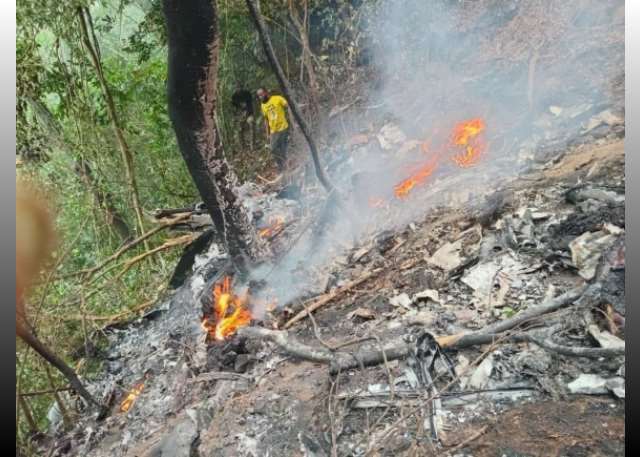
The Ghana Academy of Forensic Sciences (GAFS) has renewed calls for the creation of a comprehensive National Forensic Policy following the fatal military helicopter crash that claimed eight lives in the Ashanti Region on August 6, 2025.
In a statement signed by its President, Dr. Pet-Paul Wepeba, and General Secretary, Mr. Kingsley Ampong, GAFS expressed deep sorrow over the tragedy.
“We extend our heartfelt condolences to the bereaved families, loved ones, and the entire nation during this period of immense grief. We also acknowledge the efforts of the emergency response teams and local authorities who have been at the forefront of managing this national tragedy.”
Ghana Academy of Forensic Sciences (GAFS)
However, the organisation voiced concern over the manner in which the crash scene, body recovery, and subsequent transportation of remains were handled.
According to GAFS, available footage indicated a lack of adherence to international standards for disaster scene management and victim recovery. “Such incidents require the utmost dignity, professionalism, and scientific rigour, especially when dealing with human remains,” the group noted.
For the Academy, the crash has again highlighted the gaps in Ghana’s disaster response framework, particularly in forensic capacity. It warned that without clear national protocols, the country risks repeating the same shortcomings in future tragedies.
“This tragic event further underscores the urgent need to strengthen Ghana’s national forensic capacity to effectively respond to such disasters.”
Ghana Academy of Forensic Sciences (GAFS)

Comprehensive Framework to Enhance Crisis Management
The proposed National Forensic Policy, GAFS explained, should provide a comprehensive framework to enhance crime scene management for aviation and other disaster incidents, ensure the adoption of contemporary scientific investigation practices, and promote globally accepted standards in the handling of human remains.
Part of the Academy’s focus is on ensuring that families receive timely and accurate information through scientifically sound identification processes. “We must support dignified handling of human remains and culturally sensitive family liaison processes,” it stated.
GAFS stressed the need for Disaster Victim Identification (DVI) systems that integrate DNA analysis and other forensic methods to confirm identities and bring closure to grieving relatives.
The Academy pledged its readiness to offer qualified human resources to assist in properly identifying the remains of the victims of the helicopter crash.
According to its leadership, this assistance would ensure a methodical and internationally compliant DVI process. “We are prepared to provide expertise to support a scientifically sound Disaster Victim Identification process that meets international best practices,” it said.
GAFS also reaffirmed its commitment to collaborating with government agencies, the security services, and the Ghana Health Service to establish and implement the National Forensic Policy.

The proposed policy, it said, would act as “a vital framework for coordinated medico-legal response, effective disaster victim identification, and national resilience.”
“In honouring the memory of those lost in this tragic crash, we call on all stakeholders to prioritise investment in forensic infrastructure, policy, and capacity building to ensure that Ghana is better prepared to respond to future mass fatality incidents”.
Ghana Academy of Forensic Sciences (GAFS)
The appeal by GAFS comes amid growing discussions on how the country can improve disaster preparedness and post-incident management.
While Ghana has institutions with varying levels of investigative capacity, there is currently no single binding national policy that sets clear forensic procedures for managing mass casualties, whether from accidents, natural disasters, or other emergencies.
International best practices in mass fatality management emphasise meticulous scene preservation, structured recovery of human remains, centralised mortuary facilities, and the integration of forensic specialists from the earliest stages of response.
In many countries, these procedures are codified in national policies, ensuring coordination between law enforcement, emergency services, medical examiners, and family liaison officers.
Humanitarian Benefits
The Ghana Academy of Forensic Sciences believes Ghana can and must take similar steps. Beyond improving investigative integrity, such a policy would also have humanitarian benefits—ensuring that the dignity of the deceased is preserved and that families receive closure grounded in scientific certainty.
The August 6 crash has been described by both government officials and citizens as one of the darkest days in the country’s recent memory, not only because of the prominence of those who died but also because of the service they were performing for the country.
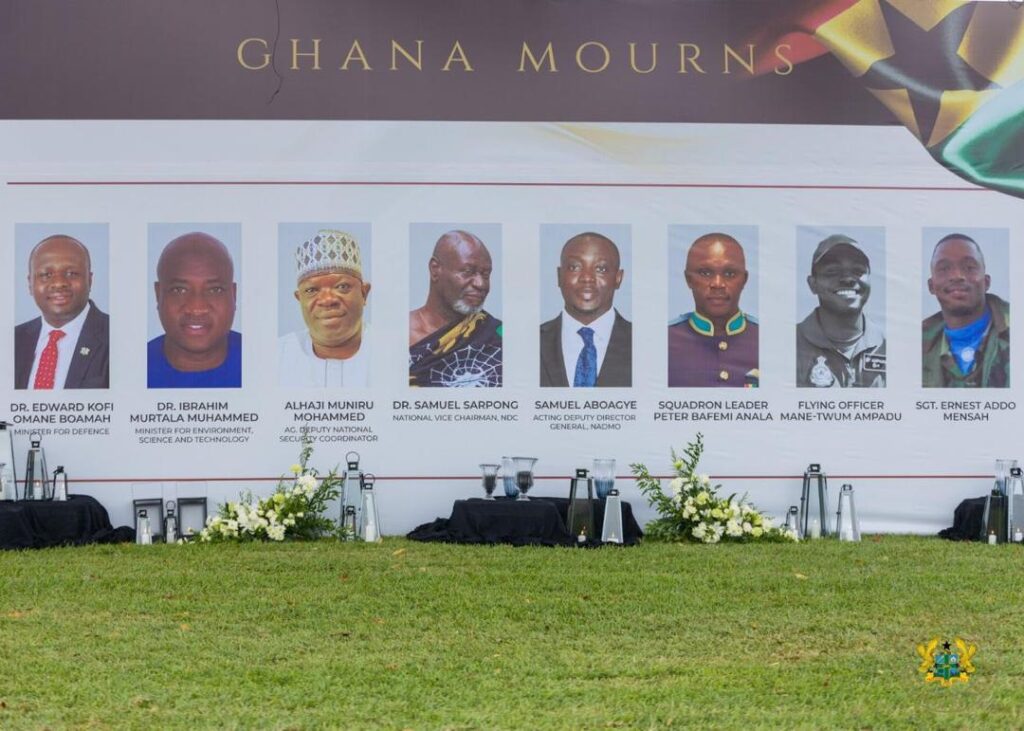
The Harbin Z-9 Ghana Air Force helicopter, which departed from Accra in the moring of Wednesday, August 6 2025, for Obuasi, went down in the Dampia Range Forest Reserve near Sikaman, in the Adansi Akrofuom District.
The officials on board were travelling to attend the launch of the Responsible Cooperative Mining and Skills Development Programme (rCOMSDEP). The victims included senior government officials, a legislator, a political leader, and three members of the Ghana Armed Forces.
For GAFS, this loss should inspire urgent reforms, turning grief into a catalyst for building stronger national systems.
“May the souls of the departed rest in perfect peace,” the Ghana Academy of Forensic Sciences concluded—a solemn reminder that behind every policy discussion are real lives lost and families forever changed.
READ ALSO: African Leaders Mourn Ghana’s Tragic Helicopter Crash