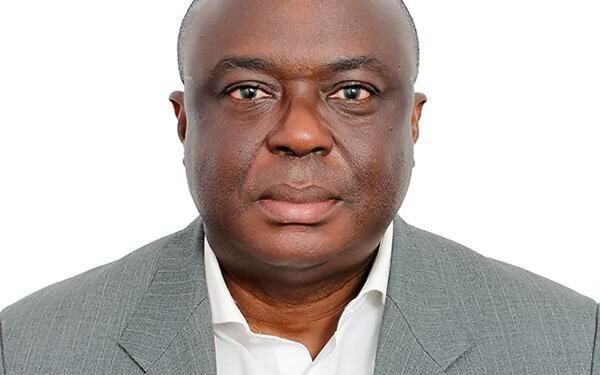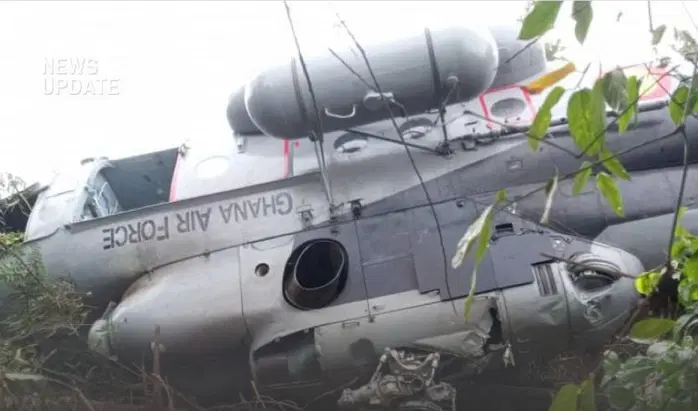
In the wake of public concerns about the Ghana Armed Forces’ investigation into the recent helicopter crash, former Government Spokesperson on Governance and Security, Dr. Palgrave Boakye-Danquah, has urged Ghanaians to maintain confidence in the military and to take urgent steps toward strengthening air security protocols.
He stressed that trust is the foundation of national stability and should extend to all institutions responsible for security.
Dr. Boakye-Danquah explained that military and security personnel are trained to operate beyond the scope of ordinary civilians. This, he noted, equips them with the discipline, expertise, and integrity needed to handle sensitive matters.
He reaffirmed his personal trust in the Ghana Armed Forces, insisting they have the capability to investigate the incident thoroughly and advise the country on the findings.
While acknowledging the possibility of external collaboration, he maintained that the investigation should remain under the leadership of Ghana’s military. He noted that involving outside investigators should only be considered if there is a clear gap in technical expertise.

In his view, the process could mirror previous collaborations, such as those involving DNA analysis, where Ghana worked alongside international experts while still retaining operational control.


“I don’t think that there is any need to bring in an external person from out of this country to do any investigation unless, of course, they don’t have what it takes. But as we have collaborated with the DNA analysis, can we do the same? Absolutely.”
Dr. Palgrave Boakye-Danquah
He emphasized that the matter is of national importance, making it possible to collaborate with other investigators who possess the necessary skills, knowledge, and expertise.
However, he maintained that the Ghana Armed Forces should take the lead in the investigation.
A Call for Enhanced Aviation Safety Measures
Dr. Boakye-Danquah’s concerns went beyond the crash investigation, touching on Ghana’s broader air security protocols.
He compared current practices to global standards, citing the example of President Volodymyr Zelensky of Ukraine, who is often accompanied by multiple aircraft during official travels.
He argued that similar measures should apply in Ghana, especially when transporting state officials. On the ground, presidential convoys include ambulances and other essential vehicles, yet in the air, single flights often carry high-profile individuals without backup.

“If a flight is moving, there should be an air ambulance that follows it. There should be an extra helicopter that follows it. So that in events where there is even any target, it becomes very difficult to identify which of the choppers has the MVPs, which are the most valuable persons in it.”
Dr. Palgrave Boakye-Danquah
In his view, this layered security approach should extend to the nation’s maritime and land operations, ensuring that the president and other key officials are protected across all environments.
Dr. Boakye-Danquah also cautioned against over-reliance on private individuals for resources critical to national operations.
While he praised the generosity of business figure Ibrahim Mahama for making his private jet available for state use, he warned that the arrangement poses long-term risks.
“If Mr. Ibrahim can afford a private jet, I think that the country can also afford a plane. Let’s buy it,” he urged. He questioned what would happen if such private aircraft were unavailable during an urgent national need or if a future president could not access them.
He argued that acquiring a state-owned plane with specifications matching or exceeding those of private alternatives would ensure consistent availability for official duties.
According to him, it would also prevent the state from depending on the goodwill of private citizens, however well-intentioned they may be.
Parliament’s Role in Securing Ghana’s Future After Helicopter Crash
The former government spokesperson called on Parliament to take a proactive role in addressing these security gaps. He emphasized that while mourning the loss of lives in the crash, lawmakers must also use the tragedy as a catalyst for change.
Implementing robust air security protocols could save lives, reduce the financial and emotional cost of future incidents, and shield families from grief.
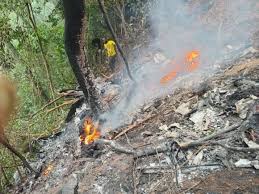
Dr. Boakye-Danquah further noted that repetition of unsafe practices—such as allowing high-profile flights to travel without escort—must not continue simply because no incident occurred in the past.
He urged Ghana to adopt best practices from other nations and to integrate them into both military and civilian security strategies.
In his closing remarks, he urged the government to view this matter in the wider context of national preparedness.
The need for adequate air, land, and sea protection is not just about current leadership, he said, but about safeguarding the interests of the country for generations to come.
By securing the resources, enforcing the protocols, and trusting the country’s trained professionals, Ghana can better prepare itself for emergencies and protect its most valuable assets—its people and its leaders.
READ ALSO: Davido, Chioma Exchange Vows in Miami