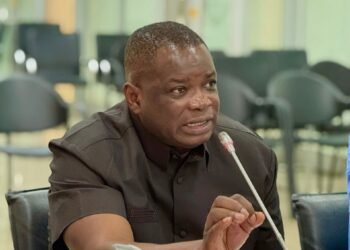
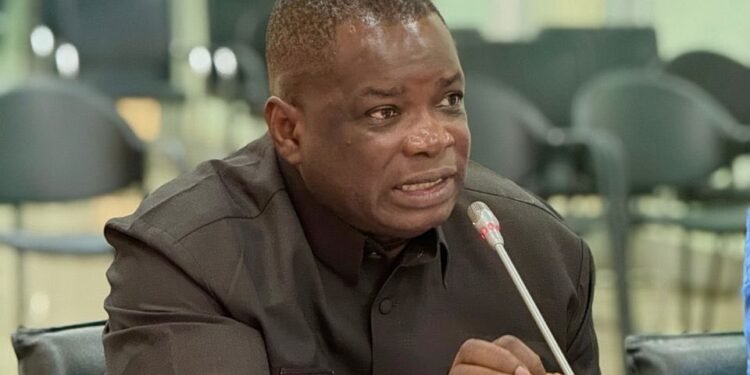
Hon. Peter Lanchene Toobu, Member of Parliament (MP) for Wa West, and Vice Chair of Parliament’s Defence and Interior Committee, has intensified calls for stronger accountability, improved planning and urgent reforms within Ghana’s security services following the tragic incident that disrupted the ongoing Ghana Armed Forces (GAF) recruitment exercise at El-Wak in Accra.
He said the deaths and injuries that occurred should shake the nation into confronting longstanding structural weaknesses in recruitment systems across the security sector, welcoming the decision of the Chief of Defence Staff to constitute an investigative committee.
“From an oversight position, I was happy to hear the Chief of Defence Staff say he has set up an investigative committee,” He said, describing it as an essential first step toward clarity, responsibility and reform.
According to him, the tragedy presented Ghana with a stark reminder of the consequences of poor planning. He insisted that the Armed Forces and the state must accept collective responsibility for the lapses that contributed to the deadly crowd surge.
His expression of concern was grounded in the gravity of the injuries sustained by several applicants, which he said remained a source of national worry.
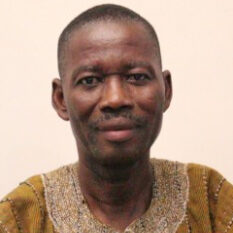
“Five are still in ICU, 12 are responding to treatment. We are hoping that all those in critical condition will come back well. The doctors are not sleeping; they are doing the best that they can”
Hon. Peter Lanchene Toobu, Vice Chair of Parliament’s Defence and Interior Committee
He stressed that the incident should not be treated as an isolated mistake, but rather as evidence of broader systemic shortcomings that Ghana must urgently correct. His remarks highlighted the link between national planning failures and the tragic outcome at El-Wak.


The MP noted that responsibility could not be evaded by any institution or citizen in a country where proper organisation has long struggled to match the pace of modern recruitment demands.
“The military could have done better. Planning as a country is something we have a challenge with. The Armed Forces cannot run away from the blame. All of us as Ghanaians should take the blame”
Hon. Peter Lanchene Toobu, Vice Chair of Parliament’s Defence and Interior Committee
Lessons from Police Recruitment Reforms
Hon. Toobu pointed to the Ghana Police Service as an example of how modern recruitment can be conducted in an orderly, technology-enabled and humane manner.

“The Ghana Police Service has demonstrated in the past that it is doable,” he said, noting that policing reforms in recent years had demonstrated that decentralised centres, effective digital processes and structured crowd management are possible within Ghana’s security sector.
He observed that the new generation of applicants (Gen-Z) is fully capable of navigating technology-driven systems and should not be subjected to outdated approaches that expose them to unnecessary risk.
Hon. Toobu added that the dignity of applicants must guide every aspect of recruitment, emphasising that before young people enter training institutions, they remain citizens who deserve humane treatment, orderly processes and safe environments.
Following the deaths of six young applicants during the stampede, President John Dramani Mahama directed that the bereaved families be given an automatic recruitment slot or replacement in the Armed Forces. Hon. Toobu supported the President’s intervention but insisted that the replacements “must reflect commitment rather than mere employment aspirations.”
The Wa West MP cautioned that military service demands passion, discipline and a willingness to serve, and should therefore not be reduced to an escape route from economic hardship. He argued that the Armed Forces require individuals who accept the weight of national duty rather than candidates drawn solely by the prospect of a salary.
The legislator reaffirmed that the tragedy should compel the Armed Forces to modernise their recruitment systems. For him, reforms must include decentralised centres, technology-enabled systems and improved safety protocols to prevent overcrowding and eliminate dangerous conditions.
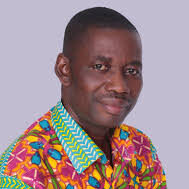
He added that restoring public confidence will depend on transparent investigations, accountability and a future-oriented shift in how Ghana handles recruitment across its security sector.
READ ALSO: Palestinian Ministry Vows Legal Action Against Entities Encouraging Displacement In Gaza