The Responsible Cooperative Mining and Skills Development Programme (rCOMSDEP) has detailed the procedure the interested individuals and parties must follow in obtaining licence to be able to engage in the Government’s artisanal mining initiative.
As the Responsible Cooperative Mining and Skills Development Programme (rCOMSDEP) has emerged at a moment the country is grappling with the persistent challenge of illegal mining i.e “galamsey,”.
The Programme is viewed as a game-changing initiative aimed at transforming the mining landscape.
According to the programme’s executives, specifically the National Coordinator, the Cooperative Mining Scheme represents a paradigm shift in artisanal mining governance, offering a comprehensive approach to responsible resource extraction, community empowerment, and environmental stewardship.
“This integrated approach not only enhances operational efficiency and gold recovery rates but systematically eliminates the need for harmful mercury use through regulated processing.”
rCOMSDEP National Coordinator
At the heart of this initiative is the creation of locally owned mining cooperatives, which rCOMSDEP facilitates by providing members with professional training, legal concessions, and access to specialized processing facilities equipped with modern recovery technologies and water treatment systems.
As enumerate by rCOMSDEP, the acquisition of a Cooperative Mining Licence under the programme can be initiated by either the government or the community itself, which marked a departure from the traditionally top-down approach to mining governance.


Ending Irresponsible and Illegal Mining

The rCOMSDEP is playing a pivotal role in addressing the root causes of irresponsible and illegal mining practices in the country.
By establishing the Cooperative Mining Scheme, the programme seeks to empower local communities to become active stakeholders in the responsible extraction of mineral resources, rather than being passive victims of the destructive effects of “galamsey.“
Moreover, the programme’s multifaceted approach, which includes vocational training, environmental rehabilitation, and the development of agricultural value chains, is designed to provide sustainable livelihood alternatives to those who have traditionally relied on illegal mining activities.
This holistic strategy aims to transform artisanal mining from a source of problems into an engine of sustainable development for affected communities.
Acquiring a Cooperative Mining Licence

The Responsible Cooperative Mining and Skills Development Programme (rCOMSDEP) outlined a detailed and transparent process for acquiring a Cooperative Mining Licence under the first phase of the programme.
The procedure involves several steps, including the submission of a completed application form with supporting documents, a pre-licence site inspection, the gazetting and publication of the application, and the final approval by the Minister of Lands and Natural Resources.
Once the licence is granted, the cooperative group must secure the necessary environmental and water use permits, as well as an operating permit from the Chief Inspector of Mines, before commencing any mining activities.
According to rCOMSDEP, the duration of the Cooperative Mining Licence is five years, with the possibility of renewal upon satisfactory performance during the first term.
Ecosystem and Monitoring
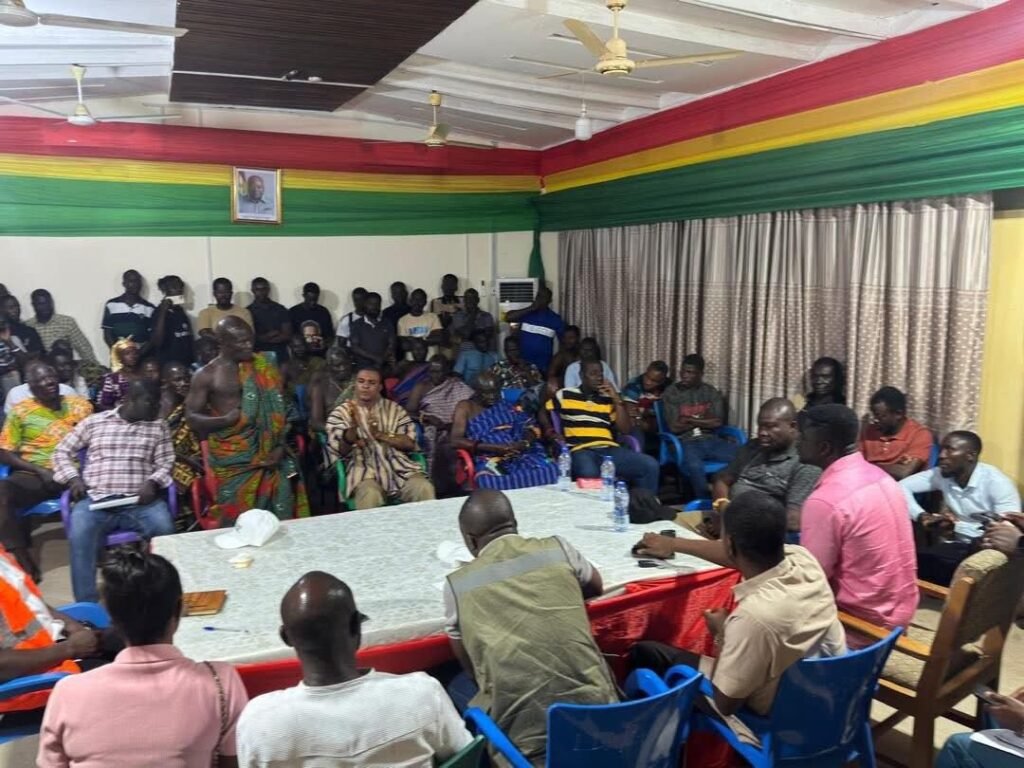
To ensure the success and sustainability of the Cooperative Mining Scheme, rCOMSDEP further established a comprehensive ecosystem of support and oversight.
The programme’s secretariat will play a crucial role in facilitating the acquisition of requisite licences and permits, as well as providing training and technical support to the cooperative members.
Additionally, the rCOMSDEP outlined a robust system of inspection, monitoring, and evaluation to ensure compliance with responsible mining practices and environmental regulations.
The Minerals Commission’s inspectorate division, the Environmental Protection Authority, and the rCOMSDEP secretariat itself will work in tandem to monitor the operations of the cooperative mining sites and enforce adherence to the programme’s guidelines and code of practice.
As emphasised by rCOMSDEP, the Cooperative Mining Scheme represents a significant paradigm shift in the country’s approach to artisanal mining.
By empowering local communities, promoting environmentally responsible practices, and delivering tangible benefits, this initiative holds the potential to transform the mining landscape and pave the way for a more sustainable and equitable future.
While the programme is rolled out, it will be crucial to closely monitor its implementation and continue to refine the approach based on lessons learned, ensuring that the goals of the rCOMSDEP are fully realized.
READ ALSO: CalBank Backs Trailblazing EdTech to Close Skills Gap in Ghana