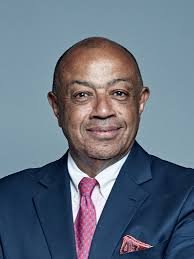
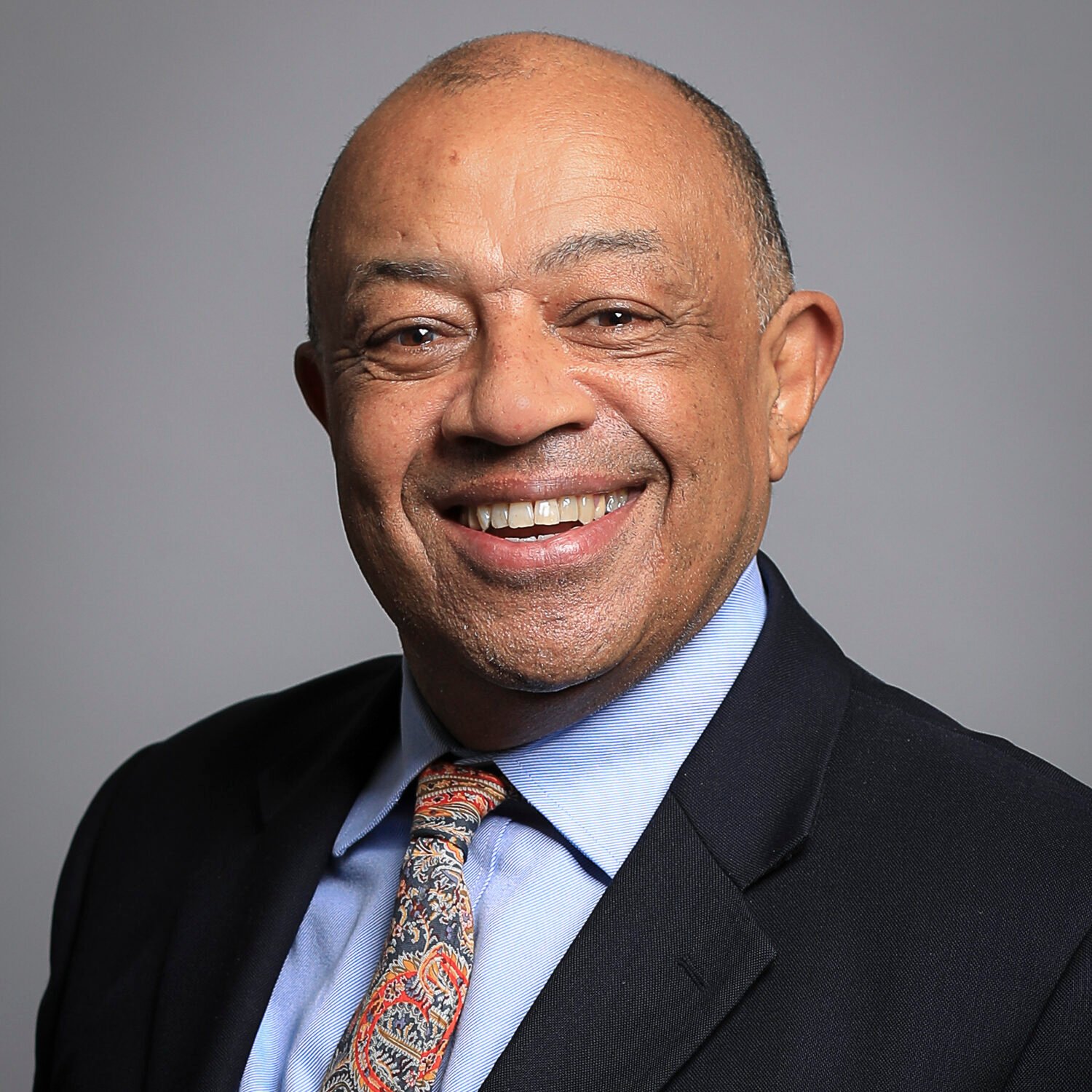
Africa’s conversation on liberation has long extended beyond political independence, and in recent reflections, Lord Paul Boateng, a member of the UK House of Lords and a board member of the African Center for Economic Transformation (ACET), has argued that the continent’s emancipation remains fundamentally incomplete without economic transformation that delivers for its people.
His remarks, grounded in decades of public service and development advocacy, revisit Africa’s unfinished business of building a continent that fully benefits from its own resources, talent and demographic strength. They form part of a broader call for action that resonates strongly at a time when African governments confront persistent youth unemployment, fragile economies and shifting global alliances.
Lord Boateng underscored that the continent’s liberation narrative cannot end until every citizen feels the benefits. The continent’s realities, he argued, demand intentional and inclusive development strategies that recognise both its geological and demographic uniqueness.
“The emancipation of Africa is not complete and will never be complete until we ensure that all our people benefit from the continent – its growth, its natural wealth in terms of biodiversity and mineral resources, and above all, its human capacity, particularly its young people”
Lord Paul Boateng, Member of the UK House of Lords and Board Member of ACET
His outlook positions young Africans as central to the future, but also as the demographic most at risk if existing systems fail to expand opportunities.
He noted that Africa must create between “twelve and fifteen million jobs annually,” to meet the labour market demands of its youthful population. Yet the current trajectory produces only about three million jobs a year, a reality he described as far from sufficient. That gap, he insisted, reflects the urgency for continent-wide action.
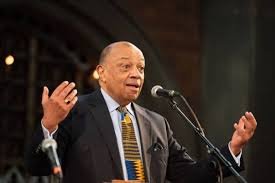
“We have to do better in terms of job creation and the creation of opportunities for young people. And we have to free up the natural talents, the enthusiasm, the skills, the creativity of Africa’s youth”
Lord Paul Boateng, Member of the UK House of Lords and Board Member of ACET
Moving Beyond Aid Dependence
Another central aspect of Lord Boateng’s argument was the imperative for Africa to break away from long-standing dependence on development assistance.


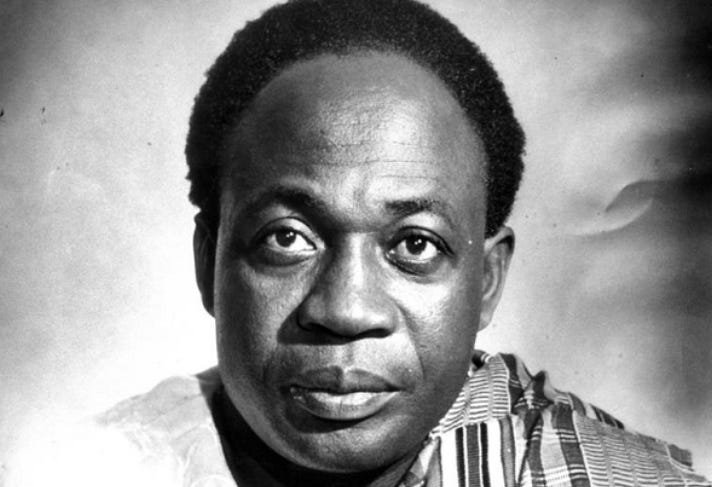
He emphasised that the continent must rely on its own initiatives, echoing the independence-era vision shared by Dr. Kwame Nkrumah and many liberation leaders who insisted that Africa’s destiny must be shaped by Africans today.
“The future of the continent lies in the decisions that Africans make for Africa. We can no longer rely on external overseas development aid in order to deliver on the needs and aspirations of our people. The continent must look inward for the mobilisation and effective utilisation of its resources”
Lord Paul Boateng, Member of the UK House of Lords and Board Member of ACET
He warned that relying on external actors undermines autonomy and exposes Africa to vulnerabilities created by global geopolitical tensions. His remarks revisited the consequences of rivalries among world powers, particularly the trade wars involving China, the United States, and European nations.
“When two great beasts fight, it is the grass that gets trampled,” he added, the allegory serving as a reminder that Africa often pays the price for conflicts and economic rivalries that it neither creates nor controls among the current world powers.
This sentiment reinforced Lord Boateng’s broader argument that sustainable development hinges on African-led decisions that reflect the continent’s realities rather than external expectations.
Integration, Implementation and Transformation
Lord Boateng further called for a renewed commitment to regional integration, arguing that Africa cannot achieve meaningful development if economies remain fragmented.
The legacies of visionary leaders, he said, must guide current and future development policies, not merely in rhetoric but through actionable strategies implemented with discipline. He explained that Africa’s challenges are not rooted in the absence of policy ideas but in the failure to implement them effectively.
“What we’re short of is implementation,” he noted, urging governments, institutions, civil society and the private sector to work jointly toward translating policies into tangible results.
His call aligns with ongoing debates around economic transformation across the continent, where the emphasis has shifted toward building economies capable of competing globally while creating wealth and employment domestically.
To this effect, Lord Boateng stated, “we’ve got to deliver a strategy that is about transforming Africa, creating jobs, creating wealth and opportunities for all the people of our continent.” It was a reminder that the transformation agenda must centre not only on economic indicators but also on human development that raises the standard of living across all social groups.
Africa’s Future in Africa’s Hands
Lord Boateng reiterated that Africa’s future does not lie in global capitals, whether Washington, Beijing, Moscow, London or Paris. He stressed that true progress will come from African-led governance, African resource mobilisation and African implementation of African-centred policies.
“Our forefathers and foremothers called on us to put Africa and the integration of Africa’s trade and economy at the heart of our development. Instead, we have too often looked externally for our salvation”
Lord Paul Boateng, Member of the UK House of Lords and Board Member of ACET
His insistence that Africa must trust its own processes, institutions and capacities served both as encouragement and critique. While acknowledging the continent’s potential, he warned that without firm political will and practical implementation, the path to shared prosperity will remain elusive.
In his reflections, Africa stands at a decisive moment: a continent rich in resources, positioned demographically for growth, yet held back by structural inefficiencies and persistent external dependence.
For him, the challenge and opportunity lie in ensuring that Africa’s young people – its greatest resource – inherit not only political freedom but also the prosperity, dignity and economic empowerment that complete the story of emancipation.
READ ALSO: Measures Unveiled To Enhance Military Mobility Across Europe