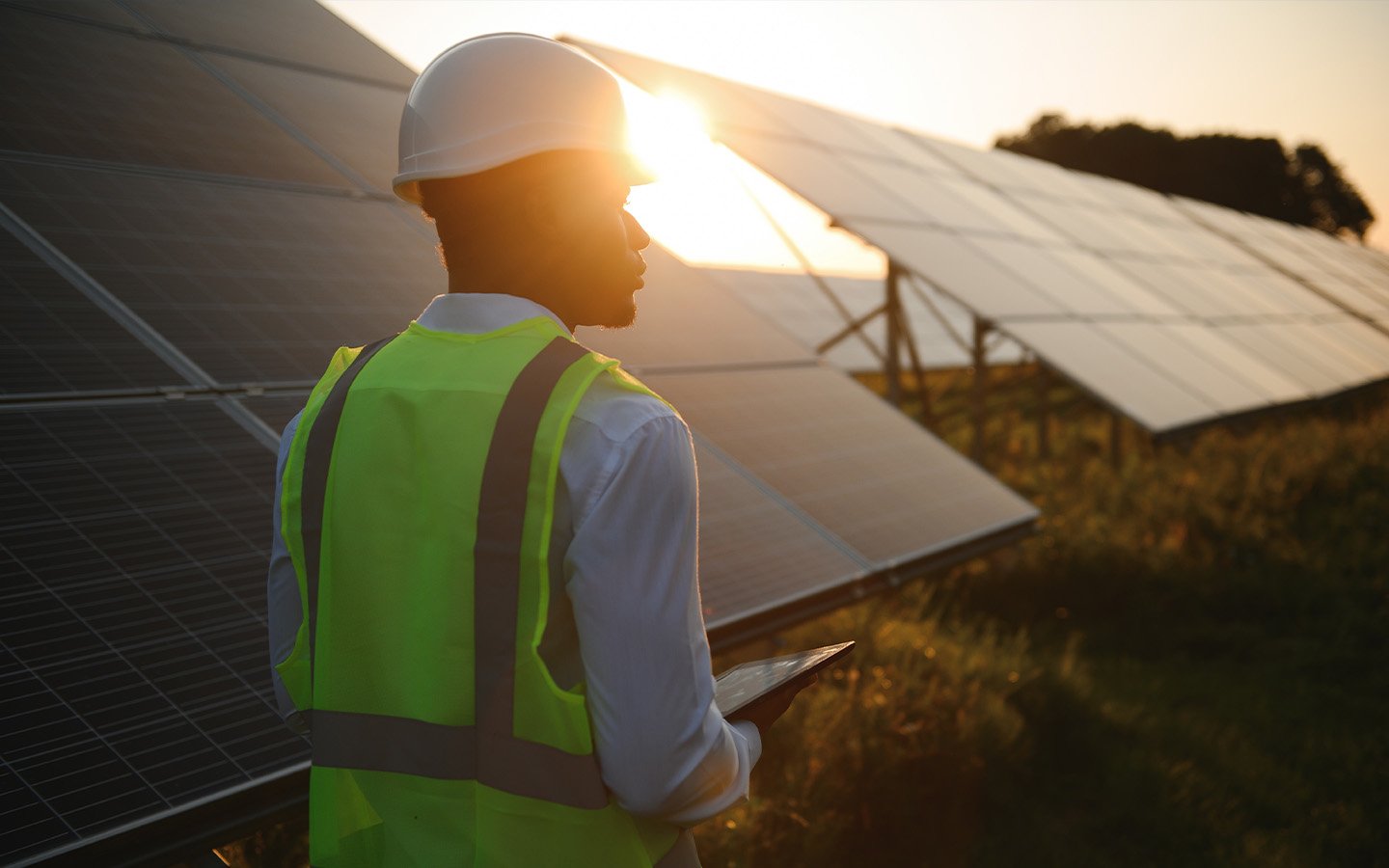
Africa’s clean energy ambitions have received a major boost after securing €15.5 billion in commitments to expand renewable power generation and improve electricity access across the continent.
The announcement marks the culmination of a year-long investment mobilisation campaign jointly led by European Commission President Ursula von der Leyen and South African President Cyril Ramaphosa.
Speaking on the commitment, President von der Leyen said the global community had demonstrated its determination to help Africa build a sustainable energy future.
“The world has stepped up for Africa. With €15.5 billion, we are turbocharging Africa’s clean-energy transition.
“Millions more people could gain access to electricity; real, life-changing power for families, for businesses, for entire communities.”
President von der Leyen
She added that the investment surge represents “thriving markets, new jobs, and reliable, clean energy that meets the needs of partners across the globe.”

“President Ramaphosa and I both look forward to a clean-energy future for the continent. A future led by Africa, with strong support from its friend and partner, Europe.”
President von der Leyen
The European Union spearheaded the pledging effort, contributing more than €15.1 billion, including over €10 billion committed by Team Europe.
Additional financial backing came from European development finance institutions, member states and private investors.


Major bilateral contributions were made by Italy, Germany, the Netherlands, Portugal, Denmark, Sweden, Austria and Ireland, collectively amounting to more than €5 billion.
The European Investment Bank pledged €2.1 billion, while the European Bank for Reconstruction and Development committed €740 million, with an additional €600 million announced separately.
Global Coalition Drives Renewable Energy Expansion
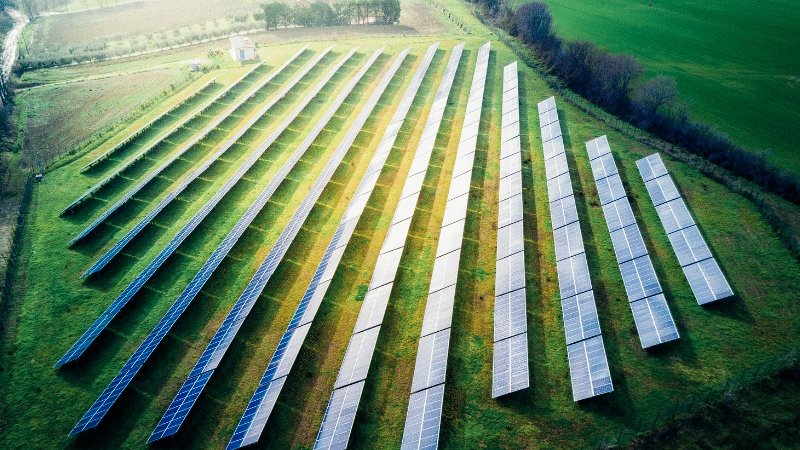
The campaign was organised in partnership with Global Citizen, with policy support from the International Energy Agency (IEA).
Its central goal was to mobilise public and private capital for Africa’s clean-energy expansion, strengthen electricity access, and support the continent’s sustainable industrialisation.
According to organisers, the initiative also signals a major step in advancing the world’s transition from fossil fuel dependency to clean and sustainable power systems.
The funding will support projects under the EU’s Global Gateway initiative, with several new ventures co-financed by European governments and financial institutions.
In addition to European commitments, the African Development Bank (AfDB) announced that at least 20% of the African Development Fund’s 17th replenishment would be directed toward renewable energy, signalling Africa’s growing internal alignment with clean-energy priorities.
Norway also pledged €53 million through its contribution to the African Development Fund between 2026 and 2028.
The pledging campaign secured additional commitments that will support the generation of 26.8 gigawatts (GW) of renewable energy and expand electricity access to 17.5 million African households that currently lack reliable power.
This is expected to significantly impact rural and off-grid communities across the continent, where energy poverty remains entrenched.
Africa’s Energy Access Challenge
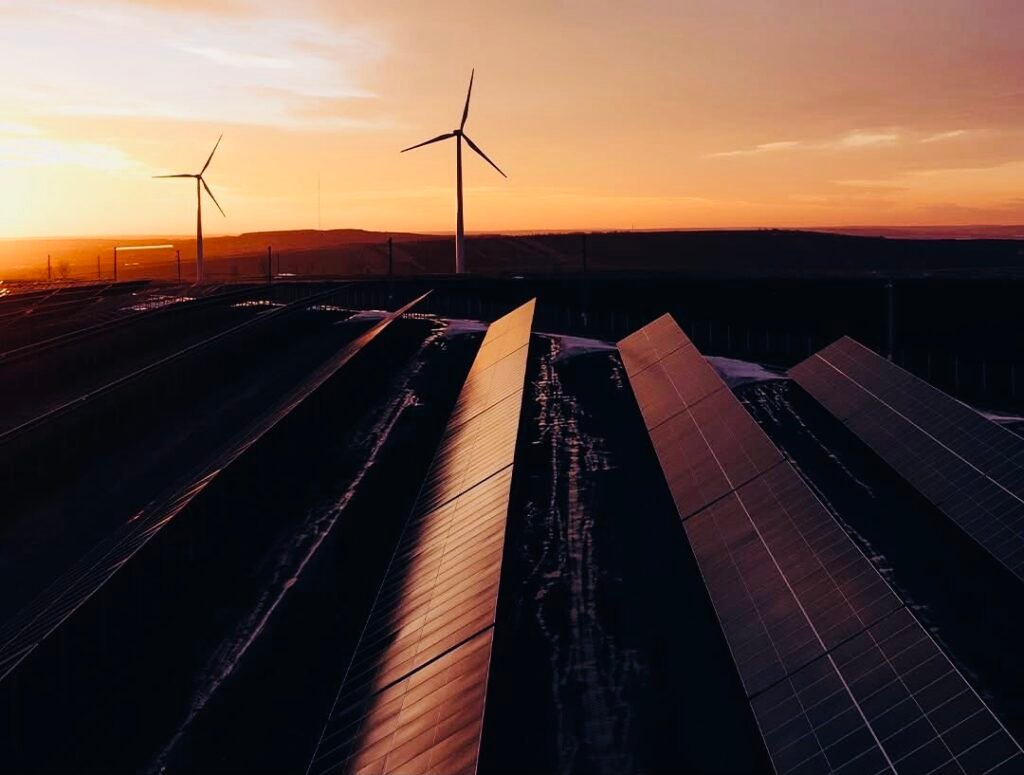
Despite its vast renewable resources, Africa remains one of the least electrified regions in the world.
Currently, 600 million people, nearly half of the continent’s population, still lack access to electricity. With Africa’s population projected to double by 2050, the demand for affordable and sustainable energy solutions is expected to intensify.
The European Commission expressed concern that Africa’s clean energy potential remains severely underutilised.
“Africa holds 60% of the world’s best solar resources,” the EU stated, “yet attracts only 2% of global energy investment.”
High capital costs, limited infrastructure, geographical barriers and supply chain constraints continue to impede large-scale development of renewable energy projects.
The €15.5 billion investment package is expected to help bridge these structural gaps and unlock new pathways for industrialisation, energy security, and climate resilience.
The campaign’s outcome signals a renewed effort to place Africa at the centre of global decarbonisation efforts. It also reflects growing recognition among international partners that global climate goals are unattainable without major clean energy progress on the continent.
The EU’s Global Gateway initiative, which anchors much of the investment pledged, aims to deepen Africa–Europe cooperation through long-term, mutually beneficial partnerships in energy, infrastructure, digital development and green growth.
READ ALSO: Agriculture Stakeholders Protest Against Inadequate Budgetary Allocation to Sector